
GM is facing multiple class action lawsuits in 2025 claiming that its 6.2L V8 L87 engine has a serious internal defect that can cause sudden, catastrophic engine failure, leading to recalls, federal investigations, and rising owner complaints. These gm class action engine defect cases argue that GM’s recall fix, which often relies on thicker oil instead of full engine replacement, does not solve the underlying design and manufacturing problems.
GM Class Action Engine Defect – L87 Engine Lawsuits Escalate 2025
The 6.2L V8 L87 engine was supposed to be one of GM’s flagship powerplants for full‑size trucks and SUVs, offering strong power, modern technology, and good towing ability. Instead, in 2025 it has become the focus of a growing gm class action engine defect storm, with lawsuits, recalls, and investigations all pointing to serious internal engine failures that can happen at low mileage and often without warning.

What Is the GM L87 Engine and Why Is It in the Spotlight?
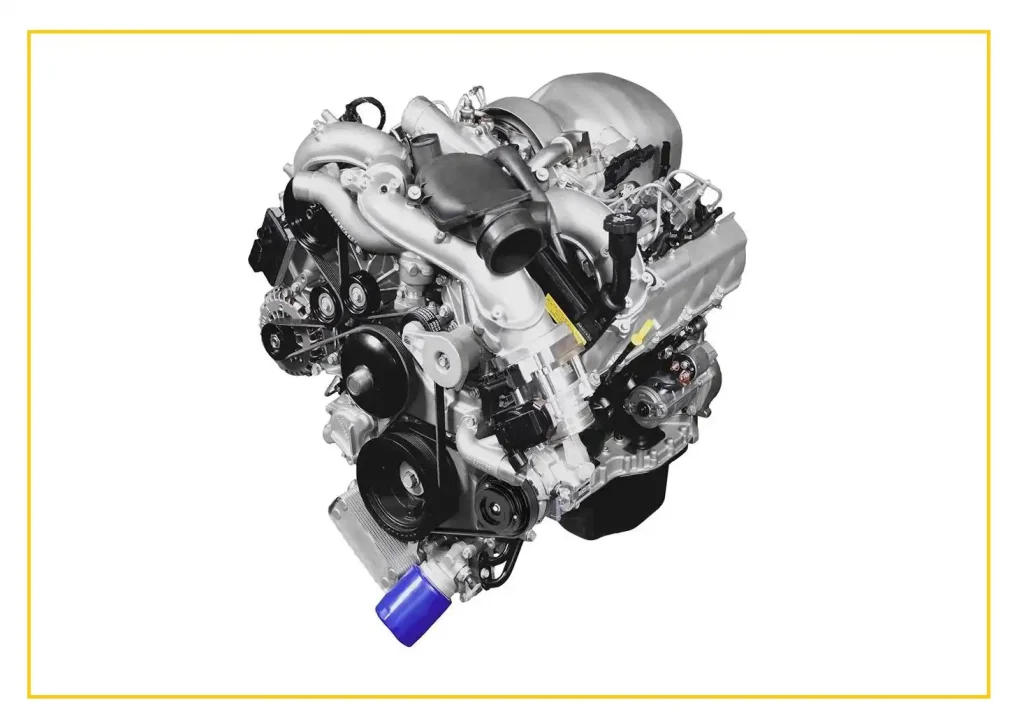
The L87 is a naturally aspirated 6.2‑liter EcoTec3 V8 used in many high‑end Chevrolet, GMC, and Cadillac trucks and SUVs. It features advanced fuel management, direct injection, and high output, making it a premium option for buyers who want performance and towing capability.
Key reasons the L87 is under heavy scrutiny in 2025 include:
- Sudden engine failure: Owners report engines seizing or losing power at highway speeds, sometimes with as little as 1,000–1,200 miles on the odometer.
- Internal component defects: Lawsuits and federal documents describe problems with crankshafts, connecting rods, rod bearings, wrist pins, and circlips that can fail under normal use.
- Large affected population: An estimated 800,000+ vehicles use the L87 engine, meaning the impact of any defect is widespread.
For many owners, the gm class action engine defect story begins with strange noises, warning lights, or an abrupt loss of power, followed by a diagnosis of catastrophic internal damage.
Affected Vehicles and Model Years in 2025
By late 2025, several lawsuits and law firm investigations list a broad range of GM vehicles believed to be affected by the L87 defect. While exact lists vary by case and jurisdiction, common models include:
- 2019–2024 Chevrolet Silverado 1500 with 6.2L L87 V8
- 2021–2024 Chevrolet Tahoe and Suburban with L87 V8
- 2019–2024 GMC Sierra 1500 with L87 V8
- 2021–2024 GMC Yukon and Yukon XL with L87 V8
- 2021–2024 Cadillac Escalade and Escalade ESV with L87 V8
Some complaints also overlap with broader GM V8 issues, including AFM/DFM lifter and valve‑train failures in 5.3L, 6.0L, and 6.2L engines, but the 2025 focus is strongly on the L87’s internal bearing and rotating‑assembly failures.
Law firms and automotive news outlets note that GM and the National Highway Traffic Safety Administration (NHTSA) have identified a specific defect window for certain L87 engines, though the exact build dates and VIN ranges evolve as investigations continue.
What Is the Alleged L87 Engine Defect?
The heart of the gm class action engine defect claims is that the L87 engine suffers from serious internal weaknesses that can destroy the engine under normal driving conditions.

Internal Engine Component Failures
Court filings and NHTSA summaries describe the defect in several related ways:
- Bearing failure: Rod or main bearings allegedly wear or fail prematurely, leading to metal debris, knocking, and eventual seizure.
- Crankshaft and connecting rod damage: Abnormal clearances or manufacturing flaws can cause connecting rods to fail or break through the engine block.
- Wrist pin and circlip issues: Some documents reference improperly installed or missing circlips and mis‑positioned wrist pins, allowing components to move out of place and cause catastrophic damage.
One class action cites NHTSA language about “internal engine component failure” due to improper installation or missing circlips, allowing wrist‑pin displacement and connecting rod failure. Another lawsuit claims that unstable tolerances in crankshaft and bearing components create metal debris and escalating friction inside the engine.
Symptoms Owners Report
Across lawsuits, law firm investigations, and owner reports, common symptoms include:
- Sudden loss of power or propulsion, sometimes at highway speeds or while towing
- Loud knocking, ticking, or clunking from the engine just before failure
- Engine seizure or total shutdown, sometimes without prior warning lights
- Diagnostic trouble codes such as P0016 indicating camshaft–crankshaft misalignment in some cases
Some owners report that their engines failed at very low mileage, sometimes close to new, which strengthens claims that the problem is a design or manufacturing defect rather than normal wear or poor maintenance.
Safety Risk
Because the defect can cause sudden power loss, plaintiffs argue that it poses a serious safety hazard, especially when it happens during highway driving, overtaking, or towing heavy loads. Lawsuits assert that GM continued to sell affected vehicles even after internal data showed elevated failure rates, and that many owners were not warned before purchase.
GM’s Recall and 2025 Technical Updates
GM has not ignored the issue; by 2025 it has issued recalls and technical service bulletins (TSBs) aimed at addressing L87 failures. However, these actions are now at the center of the gm class action engine defect debate, with plaintiffs arguing that the fixes are confusing and incomplete.
Recall Scope and NHTSA Investigation
Key 2025 developments include:
- NHTSA investigation: In early 2025, NHTSA opened an investigation into L87 failures covering roughly 877,000+ vehicles, citing thousands of complaints of catastrophic engine failure.
- Engine replacement estimates: GM has indicated that around 21,000 engines may need full replacement worldwide under the recall, with some vehicles receiving new engines and others inspected and cleared.
- Extended warranties: GM has extended warranty coverage on recalled engines, even when they are not replaced, to reassure owners.
GM reportedly told dealers that there were not enough replacement engines available for all affected vehicles at once, leading to long wait times and vehicles sitting at dealers for months.
Oil Viscosity Change and TSB Confusion
One controversial part of GM’s 2025 response is the use of thicker engine oil as a key element of the remedy:
- Oil change from 0W‑20 to 0W‑40: GM’s recall procedure often involves switching affected engines to a higher‑viscosity oil after inspection, under the theory that it reduces stress on bearings and internal components.
- Multiple TSBs: Attorneys say GM has issued several technical service bulletins about the L87 engine, leading to confusion over which bulletin applies to which vehicle and what owners can expect.
- Partial repairs: Engines that pass certain diagnostic tests may receive only the oil change and extended warranty, not a full replacement, raising concerns about long‑term reliability.
Lawsuits argue that thicker oil does not correct underlying mechanical defects and may even mask symptoms until a more serious failure occurs.
Why Class Action Lawsuits Are Escalating in 2025
In 2025, the gm class action engine defect situation escalates because more law firms, plaintiffs, and states are joining the fight, while media coverage highlights real‑world failures and recall frustrations.
Major 2025 Class Actions and Allegations
Several key filings and updates stand out:
- Nationwide class actions: Firms like Hagens Berman, Gibbs Law Group, and others have filed nationwide class actions targeting the L87 bearing and internal component defects, seeking compensation for repair costs, lost value, and safety risks.
- State‑based lawsuits: Additional cases have been filed in states such as Michigan and Georgia, accusing GM of selling vehicles with known engine defects and mishandling the recall.
- Claims of “bungled” recall: Some complaints say GM has mishandled one of the largest engine recalls in its history by offering inconsistent fixes and failing to prioritize full, permanent repairs.
One 2025 complaint claims that “simply replacing the defective engine with the same type of engine does not address the Bearing Defect,” arguing that replacement units may share the same underlying design issues. GM, in response, maintains that manufacturing problems were corrected for later engines, especially from the 2025 model year onward.
Connection to Lifters and Valve‑Train Issues
The L87 lawsuits intersect with broader GM lifter and valve‑train litigation involving AFM and DFM systems in 5.3L, 6.0L, and 6.2L V8 engines. In these cases, owners describe:
- Collapsing lifters and broken lock‑pin springs
- Misfires, ticking, and rough running that can lead to engine damage
- Claims that GM replaced defective lifters with equally flawed parts and failed to disclose known risks
While technically separate, these lifter suits contribute to the public narrative that GM’s modern V8 designs have systemic durability problems, fueling more attention on every gm class action engine defect claim.
2025 Owner Options: Recall, Warranty, and Legal Rights
For owners of L87‑equipped vehicles, 2025 brings both new protections and new decisions. The best path depends on the vehicle’s condition, mileage, and location, as well as the owner’s tolerance for risk.

Step 1: Check Recalls and Service History
Owners should first confirm whether their vehicle is part of the L87 recall or any related campaigns:
- Use the VIN lookup tools on NHTSA and GM websites to check open recalls and campaigns.
- Review dealer service records to see if any oil‑viscosity changes, engine inspections, or replacements were already completed.
- Keep all receipts and documentation of service visits, complaints, and repairs.
Even if a vehicle is still running, early signs such as engine noise, warning lights, or unusual oil consumption should be taken seriously.
Step 2: Understand Warranty and Extended Coverage
GM’s extended warranties on recalled L87 engines may cover certain failures beyond normal powertrain limits, but coverage details vary by campaign and model year. Owners should:
- Ask the dealer to explain any extended coverage in writing.
- Confirm whether both original and replacement engines are covered, and for how long.
- Clarify what happens if an engine fails again after a warranty repair.
Because some lawsuits claim that replacement engines can fail again, understanding warranty backups is critical.
Step 3: Evaluate Legal Options
Law firms bringing gm class action engine defect cases typically offer free consultations to affected owners. Depending on the situation, options may include:
- Joining an existing class action: Many firms are building nationwide or state‑specific classes for L87 owners whose engines failed or who suffered loss of value.
- Individual lemon law claims: In states like California, lemon law claims may be available for repeated failures or long repair times, especially when the vehicle spends extended periods at the dealer.
- Negotiated buybacks or settlements: Some owners may be able to negotiate buyback offers or partial refunds depending on the severity and history of problems.
Owners should weigh the benefits of immediate repair versus potential long‑term value and safety concerns, especially when only an oil change is offered instead of a full engine replacement.
Overview of GM L87 Engine Class Action Issues
| Aspect | Details (2025) |
| Core issue | Internal engine component failures (bearings, crankshaft, connecting rods, wrist pins, circlips) causing sudden engine failure. |
| Main engine involved | 6.2L EcoTec3 V8 L87, naturally aspirated gasoline engine used in full‑size GM trucks and SUVs. |
| Typical symptoms | Knocking/ticking, loss of power, engine seizure, check‑engine codes like P0016, sometimes no warning at all. |
| Common affected models | 2019–2024 Chevy Silverado 1500, 2021–2024 Tahoe/Suburban, 2019–2024 GMC Sierra 1500, 2021–2024 Yukon/Yukon XL, 2021–2024 Cadillac Escalade/ESV. |
| Estimated vehicle population | Around 800,000+ vehicles under investigation/recall, with tens of thousands of complaints and failures reported. |
| GM recall remedy | Inspection for trouble codes, selective engine replacement, oil viscosity change from 0W‑20 to 0W‑40, extended warranty. |
| Lawsuit criticism of remedy | Thicker oil allegedly does not fix root defects; replacement engines may share same design; recall called “woefully inadequate.” |
| Safety concerns | Sudden engine failure at highway speeds or while towing can cause loss of control and collision risk. |
| Legal actions in 2025 | Multiple nationwide and state class actions plus lemon‑law suits filed by firms such as Hagens Berman, Gibbs Law Group, and others. |
| Owner next steps | Check recalls, document symptoms, seek dealer diagnosis, review extended warranties, and consider legal consultation if affected. |
This table gives a quick view of how the gm class action engine defect situation looks in 2025 for the L87 engine.
Will GM’s L87 Engine Problem Finally Be Resolved?
As of late 2025, the gm class action engine defect saga around the L87 engine is still unfolding, with investigations ongoing and lawsuits moving through the courts. GM claims that manufacturing fixes for later engines, combined with targeted replacements and thicker oil, will stabilize the fleet, but plaintiffs argue that the problem goes deeper than a simple service update.
For owners, the key is staying informed and proactive: watching for symptoms, responding promptly to recalls, and understanding both warranty coverage and legal options. The outcome of these L87 engine lawsuits will likely shape how automakers handle large‑scale powertrain defects in the future, especially when performance engines are marketed as both powerful and dependable.
If you are directly affected by an L87 failure or worried about your vehicle, treating the issue as a serious safety and financial concern—and not just a minor inconvenience—is the most responsible approach in 2025’s fast‑developing legal and technical landscape.
More Automotive Update Visit Deckers Auto