A coolant leak in your car as a car owner, few issues can be as frustrating as a coolant leak. Not only can it lead to costly repairs, but it can also put your engine at risk of overheating and catastrophic damage. In this comprehensive guide, we’ll walk you through identifying, diagnosing, and effectively repairing Coolant Leak in Your Car.
Recent Released: 7 Signs of Bad Transmission You Should Know
Identifying the Signs of a Coolant Leak in Your Car
The first step in addressing a coolant leak is recognizing the symptoms.

Keep an eye out for the following tell-tale signs:
- Visible Fluid Pooling: Coolant is typically brightly coloured, making it easy to spot under your car. If you notice a puddle of green, orange, or yellow liquid, it indicates a leak.
- Low Coolant Level: If the coolant level in the expansion tank is consistently dropping, it’s a strong sign that your system is losing fluid.
- Engine Overheating: Coolant is responsible for keeping your engine at a safe operating temperature. A coolant leak may be the culprit if the engine is running hotter than usual.
- Sweet Smell: Coolant has a distinct, sweet aroma. If you notice this scent around your vehicle, it could indicate a leak.
- Dashboard Warning Light: Most modern cars have a coolant level or temperature warning light. If this light is illuminated, it’s time to investigate further.
By being attentive to these symptoms, you can catch a Coolant Leak in your Car early and prevent more severe damage to your vehicle.
Locating the Source of the Leak
Once you’ve identified the signs of a Coolant Leak in your car, the next step is to pinpoint the source. Start by visually inspecting the cooling system, including the radiator, hoses, clamps, and connections. Look for any obvious signs of leakage, cracks, or damage.
If the source of the leak is not immediately apparent, you can try the following techniques:
- Pressure Test the System: Using a cooling system pressure tester, you can apply pressure to the system and look for any areas where the fluid is escaping.
- Dye and Ultraviolet Light: Inject a specialized dye into the coolant and use an ultraviolet light to identify the exact location of the leak.
- Coolant Leak Detection Spray: This aerosol spray can be applied to the cooling system, and any leaks will be revealed by bubbles or foam formation.
If you’re still unable to locate the source of the leak, it’s best to consult a professional mechanic. They have the tools and expertise to thoroughly inspect the system and identify the root cause of the problem.
Repairing a Coolant Leak
Once you’ve identified the source of the leak, it’s time to address the issue. The approach you’ll take will depend on the severity and location of the leak.

Minor Leaks
For small leaks, such as those found in hoses or connections, you can fix the problem using a radiator sealant or stop-leak product. These solutions fill the small cracks or holes, effectively sealing the leak.
To use a radiator sealant, ensure the engine is running, and the coolant is at operating temperature. Apply the sealant according to the manufacturer’s instructions, and monitor the system closely to ensure the leak has been resolved.
Larger Leaks
A more extensive repair may be necessary if the leak is more significant, such as a damaged radiator or a leaking head gasket. You may need to remove and replace the affected component in these cases.
Replacing a radiator, for example, involves draining the coolant, disconnecting the hoses and electrical connections, and removing the old radiator. Once the new radiator is installed, the system must be refilled and bled to remove air pockets.
For a leaking head gasket, the repair maybe even more involved, as it may require the disassembly of the engine to access and replace the faulty component.
Preventive Maintenance
To help prevent future Coolant Leak in your car, it’s essential to maintain your vehicle’s cooling system regularly.
It includes:
- Checking Coolant Levels: Regularly inspect the coolant level in the expansion tank and top it up as needed.
- Flushing the Cooling System: Follow the manufacturer’s recommended schedule for flushing the cooling system and replacing the coolant.
- Inspecting Hoses and Clamps: Look for any signs of wear, cracks, or damage in the hoses and clamps, and replace them as needed.
- Replacing the Radiator Cap: A faulty radiator cap can cause coolant to escape under pressure, leading to a leak. Replace the cap if it’s worn or damaged.
- Addressing Issues Promptly: If you notice any signs of a coolant leak, address the problem as soon as possible to prevent further damage.
By staying on top of cooling system maintenance, you can significantly reduce the risk of costly coolant leaks and ensure your vehicle’s engine stays healthy for years.
Does Coolant Leak Effects My Car Driving?
There are many situations where a coolant leak affects your automotive engine. There are many situations where Coolant Leak in your car, such as while parking, driving and overheating.

So, we discuss some situations that help you understand what to do in such a situation.
Can You Drive A Car With A Coolant Leak?
Driving a vehicle with a coolant leak is generally not recommended due to the risks of serious engine damage. Here’s a detailed overview of the potential dangers and recommendations for handling this situation.
Risks of Driving with a Coolant Leak
Engine Overheating: A coolant leak diminishes the amount of coolant available to maintain optimal engine temperature. If the coolant level falls below the required amount, the engine can overheat, which may result in catastrophic issues such as blown head gaskets or even total engine failure.
Immediate Symptoms: Common indicators of a coolant leak include warning lights on the dashboard, rising temperature gauges, and unusual sweet smells emanating from the engine compartment. If you observe any of these signs, it is crucial to take action immediately.
Long-Term Damage: Persisting in driving with a coolant leak can worsen existing problems, leading to expensive repairs. The longer you operate the vehicle without addressing the leak, the higher the risk of irreversible damage to engine components.
Recommendations
| Action | Description |
| Avoid Driving | Refrain from driving your vehicle until the leak is fixed to prevent overheating and damage. |
| Short Distances Only | If necessary, limit driving to short distances and keep a close eye on the temperature gauge. |
| Check Coolant Levels | Before driving, inspect your coolant levels and top off if needed. Use proper coolant mixtures or distilled water in emergencies, but avoid opening the radiator cap when hot. |
While it might be feasible to drive a short distance with a coolant leak, doing so carries significant risks that could lead to costly repairs. It is advisable to have any leaks inspected and repaired by a qualified mechanic as soon as possible. Prioritizing vehicle maintenance can help ensure optimal performance and longevity.
What To Do While Coolant Leaking From Bottom of Car When Parked?
If you discover coolant leaking from the bottom of your car while it is parked, it’s crucial to take immediate action to prevent potential engine damage.

How to handle this situation effectively:
Initial Assessment
Identify the Fluid: Dab the puddle using a cloth or paper towel. Coolant is usually identifiable by its bright colours—typically green, yellow, or orange—and has a sweet scent, distinguishing it from water or other fluids.
Check for Other Leaks: If you don’t see any visible puddles but notice that the coolant level is decreasing, you might have an internal leak that requires further investigation.
Immediate Actions
Do Not Drive the Vehicle: Refrain from driving your car if you suspect a Coolant Leak in your car, which can lead to overheating and potentially severe engine damage.
Inspect the Engine Compartment: Once the engine has cooled down, open the hood and look for signs of leaks around the radiator, hoses, water pump, and engine gaskets. Pay close attention to any wet spots or cracks.
Check Coolant Reservoir: Examine the coolant reservoir for any cracks or damage. If the level is low, top it up with the correct coolant mixture (usually a 50/50 blend of antifreeze and water) to prevent further complications until repairs can be completed.
How To Repair Coolant Leak in Your Car When Parked
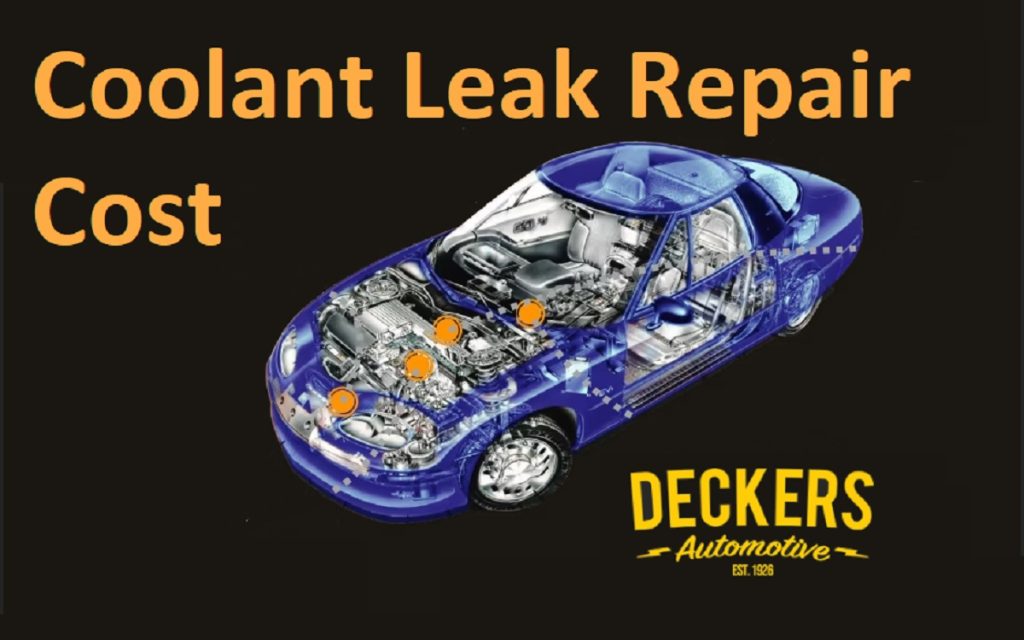
Locate the Source of the Leak: Common areas where leaks may occur include:
- Radiator
- Hoses (check for cracks or loose clamps)
- Water pump (look for leaks at the weep hole)
- Engine gaskets
Tighten or Replace Hoses/Clamps: If you find loose clamps or minor leaks in hoses, tighten them or replace any damaged components as necessary.
Consider Professional Help: For leaks originating from complex areas like the water pump or engine gaskets, it is advisable to seek assistance from a mechanic for accurate diagnosis and repair.
Preventive Measures
- Regularly check coolant levels and inspect hoses and connections during routine maintenance.
- Be vigilant about any changes in engine temperature or performance that could indicate cooling system issues.
By following these guidelines, you can effectively manage a coolant leak and ensure your vehicle remains healthy. Consulting a professional is always prudent if you are still determining any repairs.
| Step | Action |
| Initial Assessment | Identify fluid color and smell; check for other leaks |
| Immediate Actions | Do not drive; inspect engine compartment; check coolant reservoir |
| Repair Steps | Locate leak source; tighten/replace hoses/clamps; consider professional help |
| Preventive Measures | Regularly check coolant levels; monitor engine performance |
Taking these steps will help you address coolant leaks effectively and maintain your vehicle’s performance.
What To Do When Coolant Leaking from bottom of Car While Driving?
Experiencing a coolant leak from your vehicle while on the road can be alarming. It’s essential to take immediate action to prevent significant engine damage.
How to handle this situation effectively:
Immediate Actions
- Stop Driving: When you notice coolant leaking, safely pull over and turn off the engine. Continuing to drive can result in overheating and severe damage to your engine.
- Check for Puddles: Inspect the ground beneath your car for puddles of coolant, which usually appear in bright green, orange, or pink hues. It can help pinpoint the leak’s source.
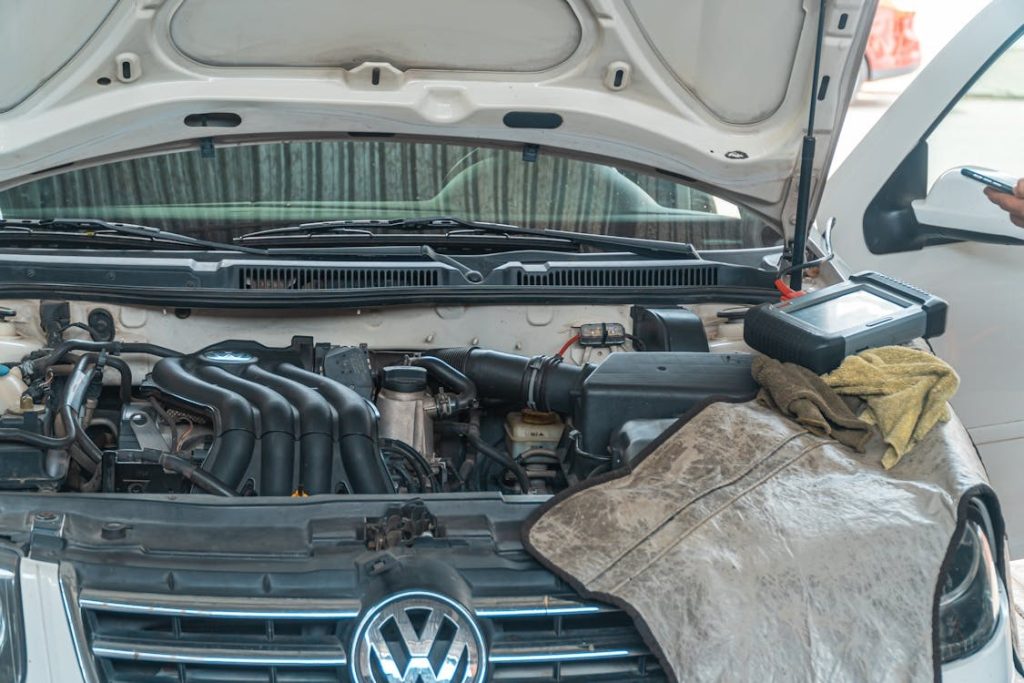
- Inspect the Engine Compartment: After allowing the engine to cool, open the hood and visually examine the radiator, hoses, water pump, and heater core for any visible leaks or signs of damage.
- Monitor Coolant Levels: Check the coolant reservoir. If it is low or empty, refill it with an appropriate coolant mixture (typically a blend of antifreeze and water) to avoid overheating.
How to Diagnose the Coolant Leaking from bottom of Car While Driving
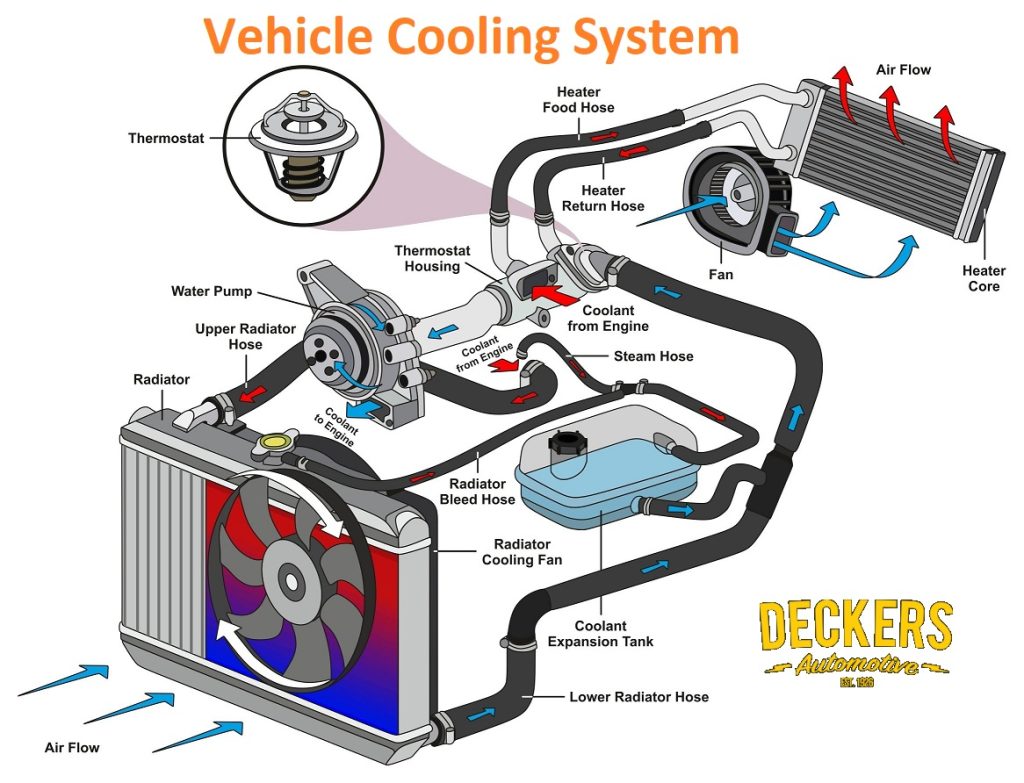
Common sources of coolant leaks include:
| Component | Signs of a Leak |
| Radiator | Cracks or corrosion |
| Hoses | Cracks or loose connections |
| Water Pump | Leaks around the water pump area |
| Heater Core | Sweet smell of coolant inside cabin |
If you don’t see any external leaks but notice a drop in coolant levels, consider performing a pressure test with a pressure tester to identify hidden leaks.
Temporary Fixes
If you need a quick solution before getting professional help:
- Sealant Products: You can add a radiator sealant to the coolant reservoir while the engine runs. This may help seal small cracks in the hoses or the radiator.
- Duct Tape or Hose Clamps: For minor hose leaks, duct tape or hose clamps can temporarily be fixed until you can consult a mechanic.
Professional Help
If you cannot locate the leak’s source or if it appears significant (such as from a blown head gasket), you should seek assistance from a professional mechanic. Driving with a coolant leak can lead to overheating and potentially catastrophic engine failure.
Suggestion
Promptly addressing a coolant leak is crucial for maintaining your vehicle’s health. Regularly check your coolant levels and inspect the components of your cooling system to prevent leaks from developing. If you encounter ongoing issues or feel unsure about performing repairs, feel free to seek professional assistance.
Why Coolant Leaking from bottom of Car and Overheating?
Coolant leaking from the bottom of a car, coupled with overheating, represents a significant mechanical concern that can arise from various factors. Recognizing these issues is essential for timely intervention and to avert additional damage to the vehicle.
Common Causes of Coolant Leaks
| Cause | Description |
| Radiator Issues | Radiators can suffer from corrosion over time, leading to leaks due to weakened tubes or damage from debris. This can severely affect the cooling system’s performance. |
| Hose Connections | The hoses linking to the radiator may deteriorate, resulting in cracks or loose fittings that allow coolant to escape. |
| Water Pump Failure | The water pump is critical for circulating coolant. A malfunctioning pump may leak coolant from its weep hole or housing, risking significant coolant loss and overheating if not fixed promptly. |
| Blown Head Gasket | A blown head gasket can cause coolant to mix with engine oil or leak externally, potentially leading to serious engine damage if not addressed quickly. |
| Faulty Radiator Cap | The radiator cap regulates pressure in the cooling system. A failure can lead to coolant leaking, especially under high pressure when the engine is hot. |
| Expansion Tank Problems | The expansion tank manages coolant levels during temperature changes; cracks over time can result in leaks, which are often overlooked but crucial for system integrity. |
Symptoms of Coolant Leaks and Overheating
- Visible Puddles: Brightly coloured fluid (commonly green or orange) under the vehicle strongly indicates a coolant leak.
- Overheating Engine: Insufficient coolant due to leaks can cause the engine to overheat.
- Sweet Smell: A sweet odour inside the cabin may suggest a leak in the heater core.
- Dashboard Warning Lights: Illuminated warning lights related to engine temperature may indicate overheating issues.
Recommendations for Addressing Coolant Leaks
To effectively manage these problems:
- Immediate Inspection: Look for visible signs of leaks around the radiator, hoses, and water pump.
- Professional Assessment: If you suspect a blown head gasket or significant leaks, seek assistance from a qualified mechanic for thorough evaluation and repairs.
- Regular Maintenance: Conduct routine checks on your vehicle’s cooling system to identify potential issues before they escalate into overheating or severe damage.
Taking swift action upon discovering coolant leaks can prevent costly repairs and ensure your vehicle remains in optimal working condition.
What is The Cost of Coolant Leak Repair
The cost of repairing a coolant leak can vary widely depending on the severity of the issue and the components that need to be replaced.
Here’s a general breakdown of the potential Coolant Leak repair Cost:
| Repair | Estimated Cost |
| Radiator Sealant or Stop-Leak | $10 – $30 |
| Hose Replacement | $50 – $200 |
| Radiator Replacement | $300 – $800 |
| Head Gasket Replacement | $1,000 – $3,000 |
| Engine Replacement | $3,000 – $8,000 |
It’s important to note that the actual cost may be higher or lower depending on your specific vehicle, the complexity of the repair, and the labour rates in your area. If you need more clarification about the extent of the necessary repair, it’s best to consult a professional mechanic for a more accurate estimate.
Finally
Addressing a coolant leak in your car is essential to prevent further damage and ensure the longevity of your vehicle’s engine. By being aware of the signs of a leak, locating the source, and taking appropriate action, you can save yourself from costly repairs.
Remember, it’s always best to consult a qualified mechanic if you need clarification on the repair process or feel uncomfortable tackling the issue yourself. With the right knowledge and approach, you can keep your car’s cooling system in top shape and enjoy reliable, worry-free driving for years.
More Automotive Update Visit Deckers Auto