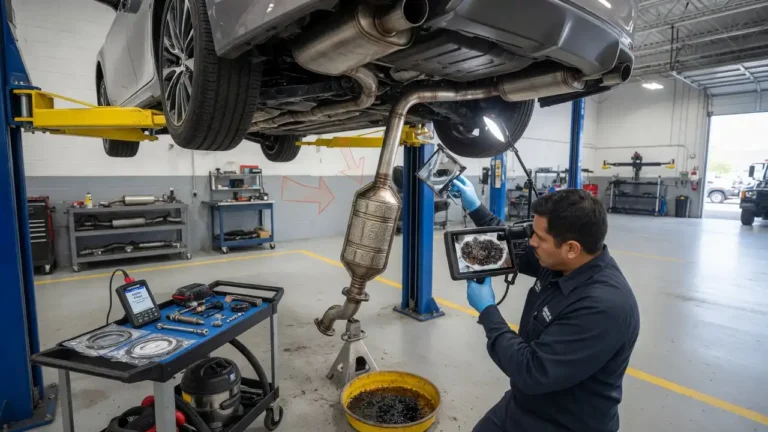
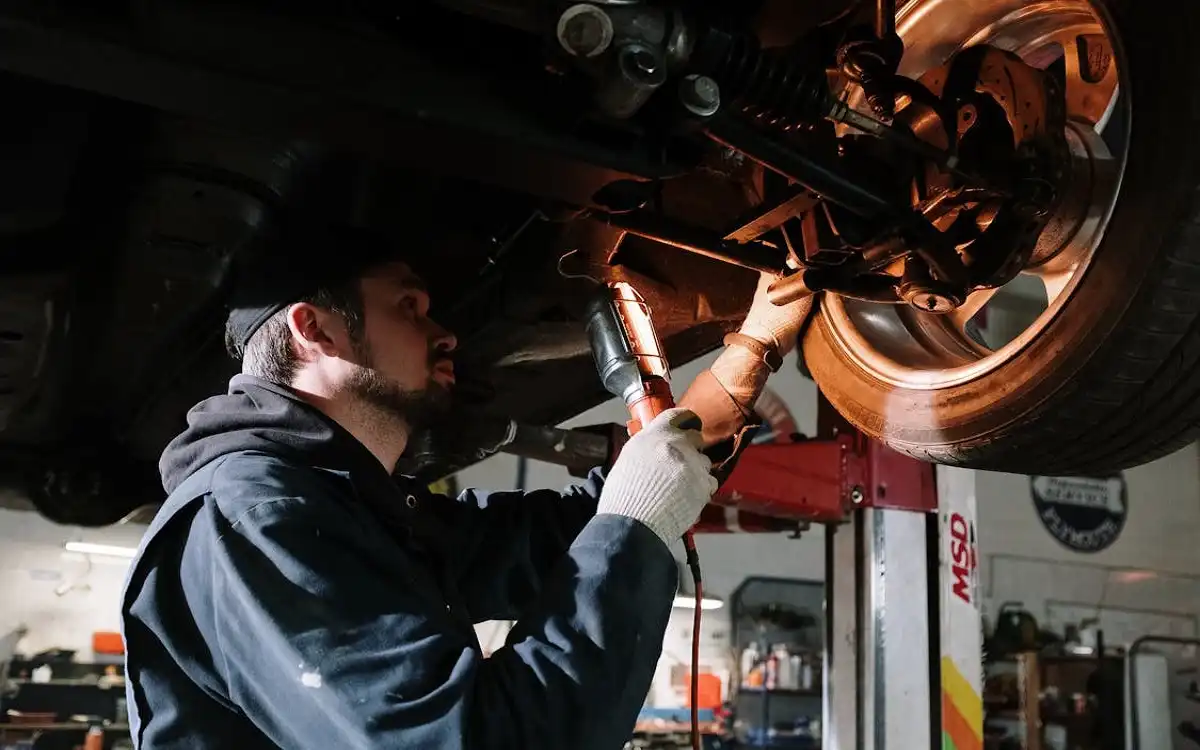
When it comes to American driving, the temptation to slam on the Hard Brakes is ever-present. Whether it’s due to sudden traffic changes, unexpected obstacles, or simply aggressive driving habits, hard brakes have become a common occurrence on US roads. However, this seemingly harmless action can have far-reaching consequences for your vehicle. The Deckersauto shares information about the various ways that hard braking can damage your car over time and provides insights on how to protect your investment.
Introduction
The average American driver may not give much thought to the long-term effects of their Hard Brakes habits. After all, brakes are designed to stop our vehicles quickly and safely, right? While this is true, the repeated stress of Hard Brakes can take a significant toll on various components of your car. From the obvious wear on brake pads to the less apparent strain on your suspension system, the impact of aggressive stopping reaches far beyond the moment of deceleration.
As we delve into the specifics of how Hard Brakes affects your vehicle, it’s essential to understand that these effects are cumulative. A single instance of hard braking is unlikely to cause immediate, catastrophic damage. However, when this behaviour becomes a habit, the consequences can be both costly and dangerous. Let’s break down the various ways that hard brakes can impact your car, starting with the most obvious target: the brake system itself.
Read: Affordable Brake Pad Replacement Near Me in USA
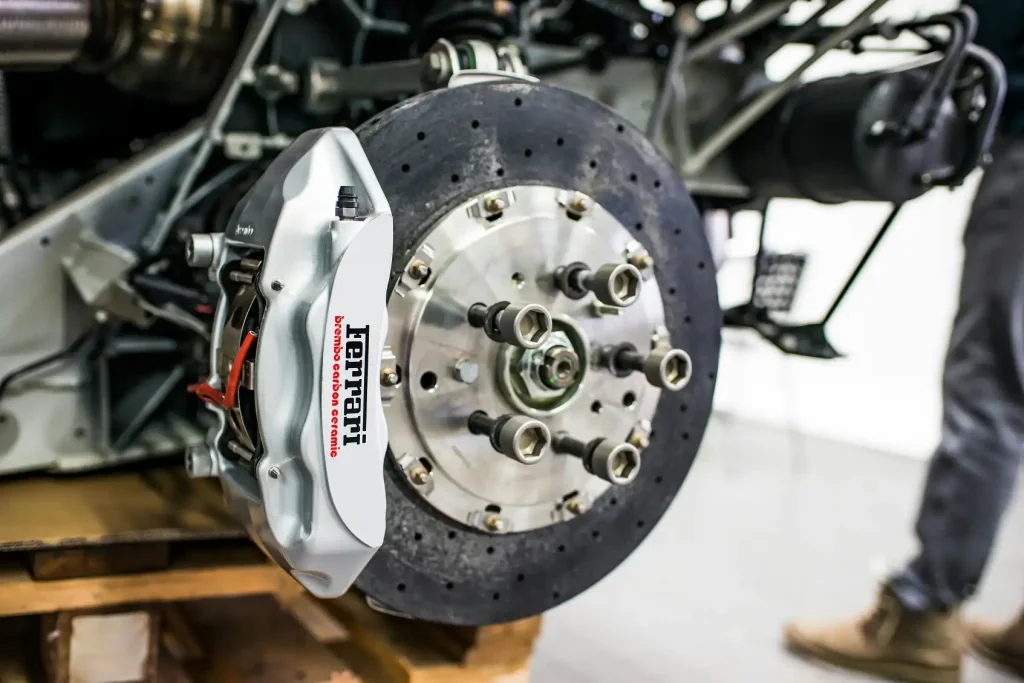
The Immediate Impact: Brake System Wear and Tear
Brake Pad Deterioration
At the forefront of your vehicle’s Hard Brakes system are the brake pads. These components are designed to withstand significant friction and heat, but they have their limits. When you apply the brakes forcefully, the pads clamp down on the rotors, creating friction that slows your vehicle. This process generates heat, and the harder you brake, the more heat is produced.
Over time, repeated hard brakes can lead to:
- Accelerated wear of brake pad material
- Uneven wear patterns on the pads
- Hardening or glazing of the pad surface, reducing its effectiveness
The result? You’ll find yourself replacing brake pads more frequently, which not only hits your wallet but can also compromise your safety if neglected.
Rotor Damage
Working in tandem with your brake pads are the rotors. These disc-shaped components spin with your wheels and provide the surface against which the brake pads press. Hard braking can cause several issues with your rotors:
- Warping due to rapid heating and cooling
- Development of hot spots, leading to uneven braking
- Scoring or grooving of the rotor surface
Damaged rotors can cause vibrations when braking, reduced stopping power, and in severe cases, complete brake failure. The cost of rotor replacement is significantly higher than that of brake pads, making this a particularly expensive consequence of hard braking habits.
Brake Fluid Stress
Often overlooked, brake fluid plays a crucial role in transmitting the force from your foot on the pedal to the brake calipers. Hard brakes can cause the fluid to heat up rapidly, potentially leading to:
- Brake fluid degradation
- Formation of air bubbles in the system (brake fade)
- Increased risk of leaks in brake lines and hoses
Maintaining proper brake fluid levels and quality is essential for safe driving, and frequent hard braking can necessitate more frequent Hard Brakes system maintenance.
Read: Is Direct Auto Insurance Good In USA and Canada
Beyond the Brakes: Collateral Damage
While the Hard Brakes system bears the brunt of hard stopping, the effects ripple through other parts of your vehicle as well. Let’s explore some of the less obvious, but equally important, areas impacted by aggressive braking.
Tire Wear and Tear
Your tires are the only part of your car in direct contact with the road, and they suffer significantly from hard braking. The sudden deceleration can cause:
- Flat spots on tire treads
- Uneven wear patterns
- Reduced overall tire life
Not only does this mean more frequent tire replacements, but it also affects your vehicle’s handling and fuel efficiency. In extreme cases, the heat generated from hard braking can even cause tire blowouts, posing a serious safety risk.
Suspension Stress
Your car’s suspension system is designed to provide a smooth ride and maintain proper tire contact with the road. Hard Brakes puts additional stress on these components:
- Shock absorbers and struts may wear out faster
- Ball joints and tie rods can become loose or damaged
- Alignment issues may develop more quickly
A compromised suspension system not only affects ride comfort but can also lead to uneven tire wear and poor handling, creating a cycle of increased wear across multiple vehicle systems.
Read: How to Get an Accurate Car Diagnostic Test In USA
Drivetrain Impact
While not directly connected to the Hard Brakes system, your car’s drivetrain can suffer from the ripple effects of hard braking:
- Transmission stress from sudden deceleration
- Increased wear on CV joints and axles
- Potential for driveshaft vibrations and damage
These issues can lead to costly repairs and reduced vehicle performance over time.
The Hidden Costs: Fuel Efficiency and Environmental Impact
Hard braking doesn’t just affect your car’s physical components; it also has broader implications for your wallet and the environment.
Reduced Fuel Efficiency
Aggressive driving habits, including hard braking, can significantly impact your vehicle’s fuel economy. Here’s how:
- More energy is wasted in heat during hard braking
- Acceleration after hard braking requires more fuel
- Overall driving patterns become less efficient
Studies have shown that aggressive driving can lower your gas mileage by 15% to 30% at highway speeds and 10% to 40% in stop-and-go traffic. Over time, this translates to substantial additional fuel costs.
Environmental Consequences
The environmental impact of Hard Brakes extends beyond increased fuel consumption:
- Higher emissions due to inefficient driving patterns
- Increased particulate matter from brake pad and tire wear
- More frequent part replacements leading to manufacturing waste
By adopting smoother driving habits, you’re not just saving your car; you’re also reducing your carbon footprint.
Read: Carb Cleaner vs. Brake Cleaner: Which is Best for Vehicle in the USA
Safety Implications of Hard Brakes
While we’ve focused primarily on the mechanical and financial impacts of Hard Brakes, it’s crucial to address the safety concerns as well.
Increased Risk of Accidents
Hard braking can lead to several dangerous situations:
- Loss of vehicle control, especially on wet or icy roads
- Increased likelihood of rear-end collisions
- Potential for skidding or sliding
Moreover, if your brakes are compromised due to wear from frequent Hard Brakes, your ability to stop quickly in a genuine emergency may be impaired.
Unpredictable Behavior for Other Drivers
Frequent hard braking makes your driving behavior unpredictable to others on the road:
- Following drivers may not anticipate sudden stops
- It can cause a chain reaction of hard braking in traffic
- Increased stress and road rage incidents
By maintaining a consistent, smooth driving style, you contribute to a safer road environment for everyone.
Comparative Impact: Hard Braking vs. Normal Braking
To truly understand the impact of hard braking, it’s helpful to compare it with normal, gradual braking habits. The following table illustrates the differences:
| Aspect | Hard Braking | Normal Braking |
| Brake Pad Lifespan | 20,000 – 30,000 miles | 40,000 – 60,000 miles |
| Rotor Wear | Accelerated, uneven | Gradual, even |
| Tire Lifespan | Reduced by up to 30% | Normal wear patterns |
| Fuel Efficiency | Up to 40% reduction | Maintains optimal efficiency |
| Safety Risk | Higher chance of loss of control | Maintained vehicle stability |
| Environmental Impact | Increased emissions and particulate matter | Minimal additional impact |
| Vehicle Control | Reduced, especially in adverse conditions | Maintained throughout braking |
| Overall Maintenance Costs | Significantly higher | Standard maintenance schedule |
This comparison clearly illustrates the long-term benefits of adopting smoother Hard Brakes habits, both for your vehicle and your wallet.
Read: How to Find Near Me Car Mechanic in USA Unexpected Breakdown
Preventive Measures: Protecting Your Car from Hard Braking Damage
Now that we’ve explored the various ways hard braking can damage your car, let’s look at some practical steps you can take to minimize these effects:
- Maintain a Safe Following Distance: This gives you more time to react to traffic changes, reducing the need for sudden stops.
- Anticipate Traffic Patterns: By looking ahead and predicting traffic flow, you can adjust your speed gradually.
- Regular Brake System Inspections: Have your brakes checked regularly to catch wear and tear early.
- Brake Fluid Maintenance: Change your brake fluid according to your vehicle manufacturer’s recommendations.
- Tire Rotation and Balance: Regular tire maintenance ensures even wear and optimal performance during braking.
- Smooth Acceleration and Deceleration: Adopt a driving style that emphasizes gradual speed changes.
- Use Engine Braking: When appropriate, downshift to slow your vehicle instead of relying solely on the brakes.
- Avoid Overloading: Excess weight in your vehicle increases the stress on your brakes during stops.
- Brake Cooling Periods: After periods of heavy braking (e.g., driving downhill), allow your brakes to cool before parking to prevent warping.
- Educational Courses: Consider taking a defensive driving course to improve your overall driving habits.
The Long-Term Benefits of Gentle Braking
As we’ve explored throughout this article, the impact of hard braking on your vehicle is far-reaching and potentially costly. From accelerated wear on brake components to reduced fuel efficiency and increased safety risks, the consequences of aggressive stopping habits can add up quickly.
By adopting a more mindful approach to braking, you’re not just preserving your car’s components; you’re also:
- Enhancing your safety and that of others on the road
- Reducing your vehicle’s environmental impact
- Saving money on fuel and maintenance costs
- Enjoying a smoother, more relaxed driving experience
Remember, your Hard Brakes are one of the most critical safety features of your vehicle. Treating them with care and respect not only extends their life but also ensures they’ll be ready to perform when you need them most.
As you hit the roads of America, take a moment to reflect on your braking habits. Small changes in your driving behaviour can lead to significant improvements in your vehicle’s longevity, your financial bottom line, and the overall safety of our shared roadways. Smooth, anticipatory driving isn’t just a skill; it’s an investment in your car’s future and your peace of mind.
So the next time you’re tempted to slam on the Hard Brakes, take a deep breath and ease into the stop instead. Your car—and your wallet—will thank you for it.
More Automotive Update Visit Deckers Auto