

Reviving Automotive Legends: A Guide to Studebaker Car Restoration
In the huge industry of classic American cars, the Studebaker Car brand stands out as a true icon, capturing the hearts of enthusiasts and collectors alike. These timeless automobiles, with their elegant designs and rich heritage, have earned a special place in the automotive world. If you’re a proud Studebaker owner or someone aspiring to restore one of these automotive gems, Deckers Auto shares information about rejuvenating these classic cars.
Recent Released: 7 Signs of Bad Timing Belt Symptoms You Should Know
Uncovering the Studebaker Legacy
Studebaker Car history can be traced back to the 19th century, when the Studebaker Car Brothers Manufacturing Company began as a wagon-building enterprise. Over the years, the company evolved, eventually transitioning into the production of automobiles. Studebaker Car became known for its innovative designs, reliable engineering, and a commitment to quality that set it apart from its competitors.
Despite the challenges the company faced in the later years of its existence, the Studebaker legacy lives on through the dedication of car enthusiasts who are committed to preserving and restoring these iconic vehicles. Whether you’re looking to purchase a well-maintained Studebaker or take on the rewarding task of restoring one yourself, this guide will equip you with the necessary knowledge and resources to embark on your journey.
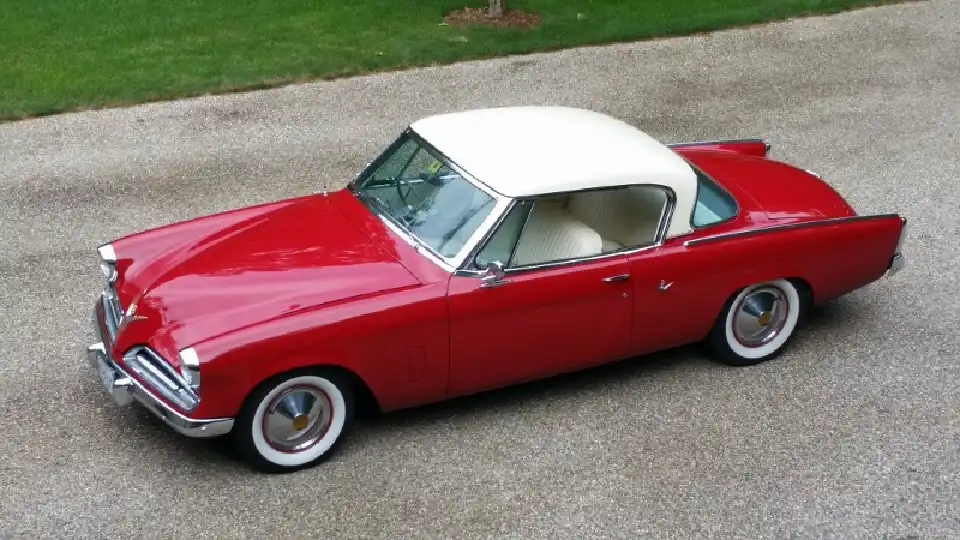
Acquiring a Studebaker: Where to Find and Buy
The first step in your Studebaker restoration adventure is to locate a suitable vehicle.
Fortunately, there are several avenues you can explore to find these classic cars:
- Online Marketplaces: Platforms like Hemmings and PreWarCar offer a wide selection of Studebaker cars for sale, catering to collectors and enthusiasts alike. These websites provide detailed listings, including specifications, condition, and pricing information.
- Specialized Dealers: Businesses like Studebaker Restoration Ltd. in Long Beach, California, specialize in the acquisition, repair, and restoration of Studebaker vehicles. These dealers can be a valuable resource for finding rare or well-maintained models.
- Local Classifieds: Checking local classifieds, both online and in print, can uncover hidden gems. You might stumble upon Studebaker owners looking to sell their prized possessions, providing you with the opportunity to secure a potential restoration project.
- Auctions: Automotive auctions, both in-person and online, can be a thrilling way to acquire a Studebaker. Keep an eye on auction calendars and be prepared to compete with other passionate collectors.
Regardless of the avenue you choose, it’s essential to thoroughly inspect the vehicle, understand its condition, and be prepared to negotiate a fair price. This will ensure that you start your restoration journey on the right foot and avoid any unexpected challenges down the line.
Read: Are There Any Used Market To Buy Studebaker Cars in USA
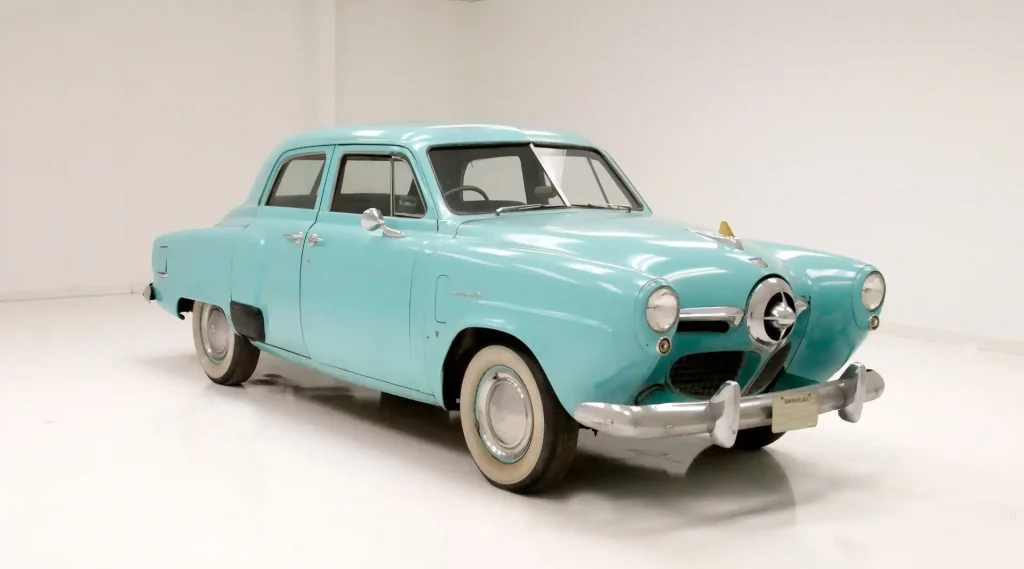
Restoring a Studebaker: A Step-by-Step Approach
Once you’ve secured your Studebaker, the real work begins. Restoring a classic car requires dedication, patience, and a keen eye for detail.
Here’s a step-by-step guide to help you navigate the restoration process:
1. Assess the Vehicle’s Condition
Conduct a comprehensive inspection of your Studebaker, documenting its current state thoroughly. Identify areas that need attention, such as structural integrity, mechanical components, interior elements, and exterior finishes. This assessment will help you develop a detailed restoration plan and budget.
2. Gather the Necessary Resources
Sourcing the right parts and tools is crucial for a successful Studebaker restoration. Reach out to specialized parts suppliers, Studebaker enthusiast groups, and restoration experts to ensure you have access to authentic and high-quality components.
3. Disassemble the Vehicle
Carefully disassemble the Studebaker, cataloging and labeling each component to make the reassembly process smoother. This step allows you to thoroughly inspect and address any issues with individual parts.
4. Refurbish and Repair
Begin the restoration process by addressing any structural or mechanical issues. This may involve welding, machining, or replacing worn-out parts. Collaborate with experienced mechanics and specialists to ensure your Studebaker is brought back to its original condition.
5. Refinish the Exterior
Attention to detail is paramount when it comes to restoring the Studebaker’s iconic exterior. Carefully strip the old paint, address any body imperfections, and apply a fresh, high-quality finish that captures the essence of the original design.
6. Revive the Interior
Meticulously restore the Studebaker’s interior, including the upholstery, dashboard, and trim. Source authentic materials and collaborate with skilled trimmers and upholsterers to recreate the original ambiance.
7. Reassemble and Test
With the restoration work complete, carefully reassemble the Studebaker, ensuring all components are properly aligned and functioning. Conduct thorough testing to verify the vehicle’s roadworthiness and make any necessary adjustments.
8. Showcase and Enjoy
The final step in your Studebaker restoration journey is to showcase your automotive masterpiece. Attend local car shows, join Studebaker enthusiast clubs, and share your story with other like-minded enthusiasts. Most importantly, take pride in your accomplishment and enjoy the thrill of driving your revived classic.
Read: Why Studebaker Automobile Shutdown In America
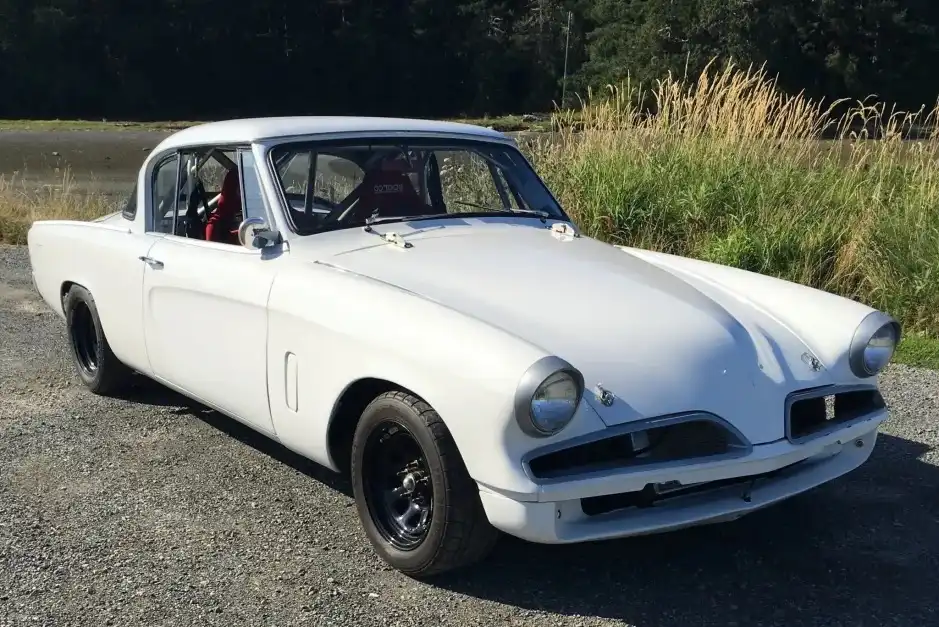
Maintaining Your Studebaker’s Splendor
Preserving the beauty and performance of your restored Studebaker Car requires ongoing care and maintenance.
Here are some essential tips to keep your classic car in top condition:
- Regularly service the vehicle, adhering to the manufacturer’s recommended maintenance schedule.
- Address any mechanical issues promptly to prevent further damage.
- Protect the exterior with high-quality waxes and sealants to preserve the paint finish.
- Store the Studebaker in a climate-controlled environment to prevent weathering and deterioration.
- Participate in Studebaker enthusiast events and connect with other owners to share knowledge and resources.
By following these maintenance practices, you can ensure that your Studebaker continues to shine and remains a source of pride and joy for years to come.
Studebaker Models and Key Specifications
| Model | Production Years | Engine | Displacement | Transmission |
| Studebaker Commander | 1927-1964 | V8 | 185-259 cu in | Manual, Automatic |
| Studebaker Avanti | 1962-1963 | V8 | 289 cu in | Manual, Automatic |
| Studebaker Lark | 1959-1963 | I6, V8 | 169-259 cu in | Manual, Automatic |
| Studebaker Hawk | 1956-1964 | V8 | 259-289 cu in | Manual, Automatic |
| Studebaker Champ | 1960-1964 | I6, V8 | 169-259 cu in | Manual, Automatic |
Read: Studebaker For Sale The Classic American Gems Automotive
Finally
Restoring a Studebaker Car is a labor of love, a journey that allows you to breathe new life into an automotive icon. Whether you’re a seasoned collector or a first-time enthusiast, this guide has provided you with the essential information to embark on your Studebaker Car restoration adventure.
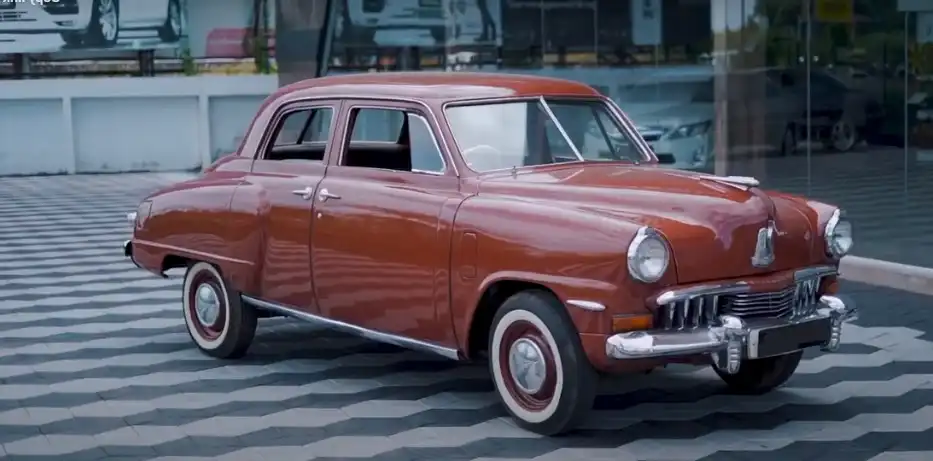
From sourcing the perfect vehicle to meticulously reviving its every detail, the process is both challenging and immensely rewarding. By embracing the legacy of Studebaker and dedicating yourself to the restoration process, you’ll not only preserve a piece of automotive history but also create a cherished possession that will bring you endless joy and pride.
So, start your engines and get ready to uncover the hidden gems of the Studebaker brand. Your journey to reviving these classic American cars begins now!
More Automotive Update Visit Deckers Auto