

Introduction
In the USA, Types of Trucks form the foundation of the nation’s logistics and transportation systems. From hauling construction materials across states to delivering groceries to local stores, trucks power the backbone of industry and commerce. As trucks evolve with new technology and 2025 update releases, understanding their various types, specialized uses, and importance has never been more valuable, whether for business, transportation, or rebuilding communities. The primary types of trucks found across America, their everyday applications, recent 2025 model updates, and key insights for anyone interested in automobiles or those involved with trucks.
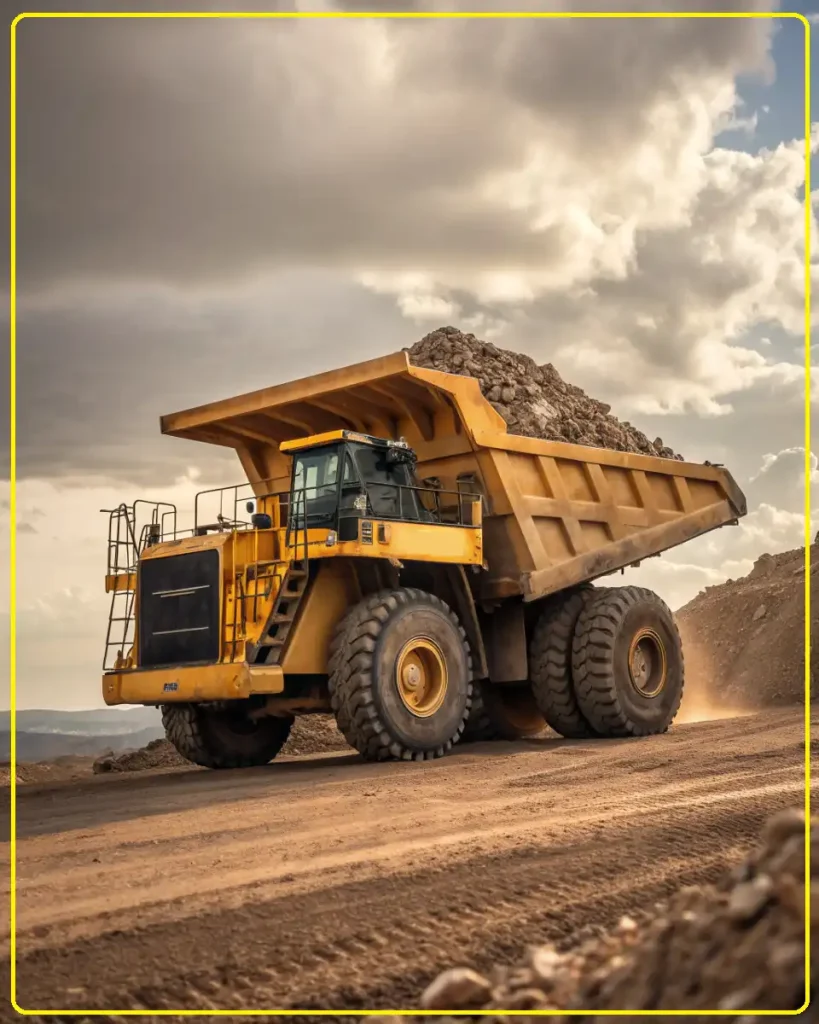
Types of Trucks: Overview
Trucks in the USA are categorized based on their body structure, capacity, and the industries they serve. Here are the most common types of trucks in everyday use:
1. Pickup Trucks
Pickup trucks are versatile and popular, ideal for family use, light commercial hauling, and off-road adventures. New models like the 2025 Ford Maverick combine efficiency with hybrid options, while the 2025 F-150 remains an all-time favorite for its worksite power and modern design.
Everyday Uses:
- Towing trailers, boats, or campers
- Carrying tools or equipment for small businesses
- Commuting with added cargo flexibility
2. Box Trucks (Straight Trucks)
Box trucks, also known as straight trucks, feature a large, enclosed cargo area that is separate from the cab. These are mainstays for moving companies and local delivery services.
Everyday Uses:
- Moving household furniture or office equipment
- Delivering appliances or retail goods
- Last-mile freight transport
3. Flatbed Trucks
Flatbed trucks have an open, flat cargo area. Their lack of sides or a roof allows loading bulky or irregularly shaped items quickly.
Everyday Uses:
- Hauling construction materials, steel beams, or lumber
- Moving heavy equipment
- Carrying oversized loads not suited for box trucks
4. Refrigerated Trucks (Reefers)
Refrigerated trucks, or “reefers,” are equipped with a cooling unit to transport temperature-sensitive goods.
Everyday Uses:
- Carrying fresh produce, dairy, and frozen foods
- Delivering pharmaceuticals needing constant temps
- Supplying restaurants and grocery chains
5. Tanker Trucks
Tanker trucks have large cylindrical tanks for transporting liquids or gases. Special models exist for hazardous or food-grade cargo.
Everyday Uses:
- Transporting gasoline and diesel to gas stations
- Delivering industrial chemicals and water
- Supporting firefighting and agriculture
6. Dump Trucks
Known for their hydraulic beds that tip to unload, dump trucks are iconic at construction sites.
Everyday Uses:
- Moving sand, gravel, or demolition debris
- Delivering materials for roadwork or landscaping
- Handling bulk waste during rebuilding projects
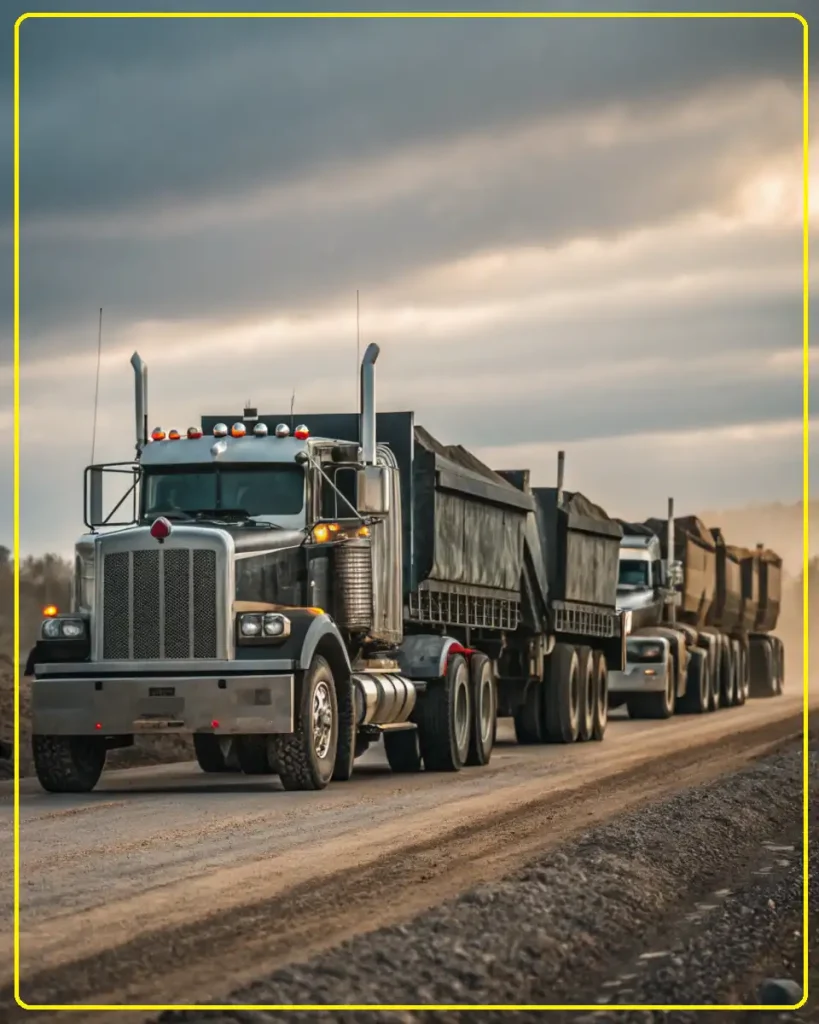
7. Semi-Trailer Trucks (18-Wheelers)
These consist of a tractor unit and one or more detachable trailers. Semi-trailer trucks are the backbone of long-haul freight.
Everyday Uses:
- Shipping goods cross-country for retailers
- Transporting industrial or agricultural products
- Hauling bulk cargo in large volumes
8. Livestock Trucks
Specially designed with ventilation and secure interiors, livestock trucks ensure humane transportation of farm animals.
Everyday Uses:
- Carrying cattle or poultry to markets
- Moving horses for shows or sales
9. Garbage Trucks
Garbage trucks have specialized mechanisms for collection and compacting waste.
Everyday Uses:
- Municipal waste pickup
- Recycling collection services
- Yard waste and bulk trash management
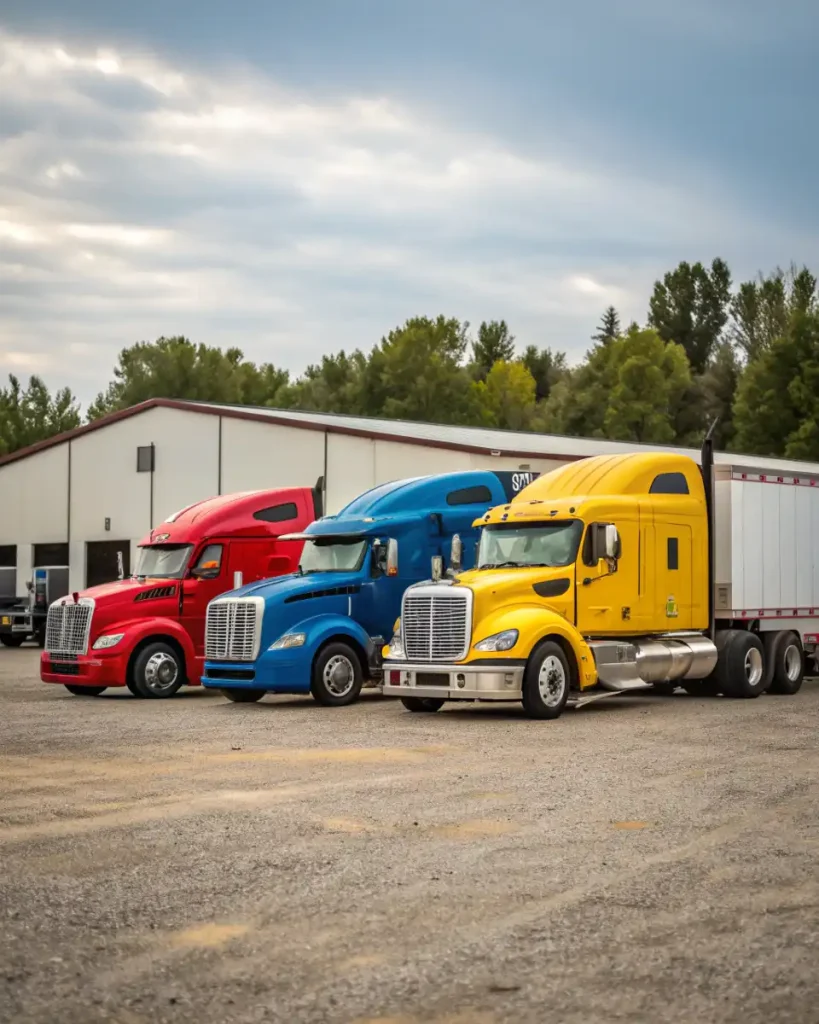
10. Car Carrier Trucks
Car carriers can transport several vehicles simultaneously, using angled ramps and secure harnesses.
Everyday Uses:
- Delivering new vehicles to dealerships
- Relocating vehicles for individuals or auctions
11. Heavy Haul Trucks
Built for the hardest jobs, heavy haul trucks take on loads too large for most others.
Everyday Uses:
- Moving wind turbine blades or industrial equipment
- Transporting oversized construction parts
Table: Major Types of Trucks and Their Everyday Uses
| Types of trucks | Key Uses | Typical Industries |
| Pickup Truck | Towing, commuting, light hauling | Construction, small business, agriculture |
| Box Truck | Moves, urban deliveries | Moving, retail, logistics |
| Flatbed Truck | Hauling large/bulky items | Construction, manufacturing |
| Refrigerated (Reefer) | Perishable good transport | Food, pharmaceuticals |
| Tanker Truck | Fuel, chemical, liquid delivery | Oil & gas, agriculture |
| Dump Truck | Construction debris, bulk material haul | Construction, landscaping |
| Semi-Trailer (18-Wheeler) | Interstate freight, bulk goods | Logistics, wholesale |
| Livestock Truck | Animal transport | Farming, livestock |
| Garbage Truck | Waste collection, recycling | Waste management |
| Car Carrier | Multiple vehicle transport | Auto sales, logistics |
| Heavy Haul Truck | Oversized/ultra-heavy cargo | Construction, infrastructure |
Latest 2025 Types of trucks Updates
2025 is a landmark year for truck innovation in the USA, especially with advanced suspension systems, electrification, and digital features. Notable updates include:
- 2025 Ford F-150: Enhanced interiors and multiple trims, offering improved performance and comfort, with hybrid and EV options.
- Chevrolet Silverado EV & GMC Sierra EV: Electric trucks with impressive towing capacity and cutting-edge driving technology, like the 2025 HUMMER EV Pickup featuring up to 1,000hp.
- Ram 1500: Newly turbocharged powertrains, superior ride comfort with coil-spring rear suspension, and luxury trim options.
- Compact Trucks Like Ford Maverick: Affordable, practical, with hybrid efficiency and family-friendly cabins.
Major manufacturers have focused on more sustainable truck models with better fuel economy, safety technology, and suspension system improvements for smoother rides and durability. Such improvements benefit everyone from builders to everyday drivers, encouraging safety and efficiency in all tasks involving trucks.
What to Consider When Choosing a types of trucks
When selecting from the many types of trucks available in the USA, factors to keep in mind include:
- Purpose: Choose based on cargo type, liquids require tanker trucks, fragile items suit box trucks, and heavy loads need flatbeds or semi-trailers.
- Capacity: Assess payload and towing capacity for the job.
- Fuel Type: New models offer diesel, gasoline, hybrid, and full-electric, each with advantages.
- Terrain & Suspension: Off-road needs (like in construction or rebuilding) call for tough suspension systems and higher ground clearance.
- Cost & Maintenance: Consider the upfront price versus long-term maintenance, which can vary significantly between truck types.
Conclusion
Understanding the types of trucks used in the USA and how each fits a role in daily commerce, industry, and rebuilding is essential for anyone in logistics, transportation, or the automobile sector. The 2025 truck models continue to push the boundaries of efficiency, comfort, and safety. With the right truck for the task, businesses can thrive, cities run smoothly, and large projects advance with ease.
More Automotive Update Visit Deckers Auto