

The leading cause of Automatic Transmission Failure is often attributed to low or degraded transmission fluid. This problem can stem from various factors, such as fluid leaks, contamination, or neglecting regular fluid changes. When the transmission fluid is insufficient, it cannot effectively lubricate and cool the internal components, resulting in overheating and extensive damage over time.
Recent Released: Car Maintenance Schedule: When Is the Right Time?
Basic Causes of Automatic Transmission Failure
| Cause | Description |
| Low or Old Transmission Fluid | Insufficient fluid levels can lead to overheating and internal damage. Regular checks and timely changes are essential to prevent this issue. |
| Fluid Leaks | Transmission systems frequently experience leaks due to worn seals or gaskets. These leaks can significantly lower fluid levels, increasing the risk of failure. |
| Clogged Transmission Filter | A dirty or clogged filter can impede fluid flow, causing overheating and poor transmission performance. Regular maintenance is crucial to keep the filter clean. |
| Torque Converter Problems | The torque converter is vital for smooth operation; issues here can lead to slipping and other performance problems. |
| Improper Maintenance | Neglecting a proper maintenance schedule can lead to various issues, including fluid degradation and component wear. |
| Driving Conditions | Aggressive driving habits, such as rapid acceleration or towing heavy loads, can place additional strain on the transmission, contributing to premature failure. |
Understanding these prevalent causes allows vehicle owners to take proactive steps in maintaining their automatic transmissions and avoiding costly repairs. Regular inspections and adherence to maintenance schedules are crucial for extending the lifespan of a vehicle’s transmission system.
Why Transmission Fluid Is Key
Transmission fluid serves as the lifeblood of an automatic transmission, providing essential lubrication, reducing friction, and helping dissipate heat generated during operation. When the fluid level is low or becomes contaminated from wear, leaks, or delayed changes, internal parts heat up, suffer excessive wear, and may eventually fail. Mechanics nationwide agree: neglecting routine fluid inspections is the top reason transmissions break down before their time.
- Low Fluid: Most breakdowns start with unnoticed leaks or never-checked fluid levels. Even minor leaks, such as from worn seals, can lower fluid volume, starving delicate components of cooling and lubrication.
- Degraded Fluid: Over time, fluid breaks down or absorbs contaminants, losing its protective qualities. Old fluid can turn dark and develop a burnt smell, a red flag for imminent breakdowns.
Read: 7 Signs of Bad Transmission You Should Know
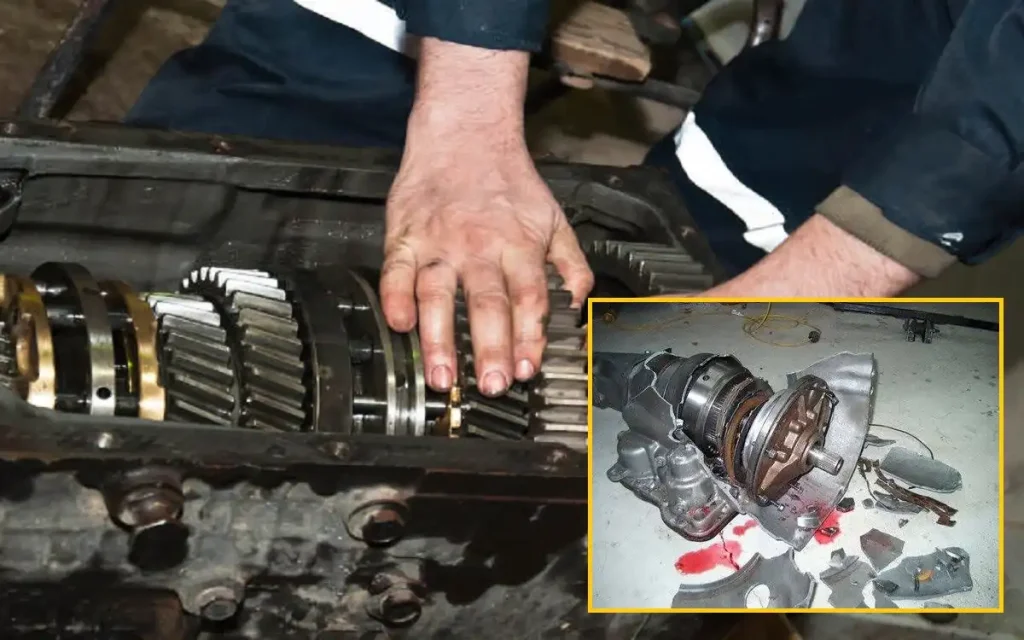
Common Causes Beyond Fluid
While fluid issues dominate, several other factors routinely contribute to automatic transmission failure:
- Clogged Transmission Filter: Dirt and debris restrict fluid flow, overheating components and causing erratic shifting or total failure.
- Torque Converter Problems: As a key player in shifting, torque converters exposed to poor fluid conditions may slip, shudder, or fail outright, leading to loss of drive.
- Improper Maintenance: Skipping scheduled services, especially fluid and filter replacements, is a fast track to failure. Most experts recommend a full transmission service every 30,000–60,000 miles—vital for catching issues before they escalate.
- Aggressive Driving & Overloading: Hard acceleration, towing beyond rated capacity, and frequent heavy loads subject the transmission to heat and strain beyond design limits, accelerating wear and risk of breakdown.
- Incorrect Fluid Type: Adding the wrong fluid can degrade seals, cause erratic shifting, and speed up internal damage. Always use fluid specified by the manufacturer.
Warning Signs & Diagnostics
Early warning signs of automatic transmission failure can help drivers address minor issues before they become major breakdowns:
- Slipping Gears: Unintended gear changes or inability to engage drive/reverse signal internal damage or fluid starvation.
- Odd Noises: Clunks, grinding, or humming can indicate failing bearings, torque converter issues, or insufficient lubrication.
- Delayed Shifting: Hesitation when shifting often precedes breakdown and warrants immediate inspection.
- Fluid Leaks: Puddles of bright red (or brown, if degraded) fluid under the vehicle are a clear indicator.
- Check Engine Light: Modern vehicles flash warning lights for transmission control faults, often linked to solenoids, sensors, or fluid issues.
Preventing Transmission Failure
Proactive maintenance is the linchpin for transmission longevity. Industry experts recommend the following steps to minimize risk and avoid expensive repairs:
Regular Fluid Checks
- Inspect transmission fluid monthly. Healthy fluid is red/pink and smells slightly sweet. Dark or burnt smells signal urgency for a change.
- Address leaks promptly to prevent starvation and overheating.
- Change fluid and filter every 30,000–60,000 miles, as recommended by manufacturers.
2. Scheduled Service
- Adhere to the vehicle’s service interval for fluid changes, filter replacements, and internal inspections.
- Ask your mechanic to specifically check for clogged filters, worn seals, and torque converter function.
3. Avoid Overheating
- Install an auxiliary cooler if you tow frequently or drive in extreme conditions.
- Avoid aggressive driving and high-speed shifts, which increase transmission heat and wear.
- Don’t overload your vehicle or push it beyond manufacturer-rated towing capacity.
4. Smooth Driving Habits
- Accelerate gently and avoid frequent abrupt starts and stops.
- Come to a complete stop before shifting from reverse to drive or vice versa, protecting internal locking mechanisms.
- Avoid riding the brakes and excessive engine revving.
5. Use Correct Fluid
- Always use the fluid type recommended by your owner’s manual. Using alternatives can degrade seals and reduce transmission lifespan.
Read: Car Maintenance Schedules Explained – You Should Know
Real-World Examples: Transmission Trouble Nationwide
Recent years have seen spikes in automatic transmission failure in several vehicle brands. Nissan owners, for example, have complained of premature transmission breakdowns on certain models, some requiring repairs as early as 44,000 miles—a far cry from the expected 200,000-mile life. Hyundai Santa Fe owners have reported unusually frequent transmission failures among newer models, with social media amplifying stories of buybacks and disappointed drivers losing vehicles after only a few hundred miles.
Human Impact
Drivers facing transmission failure face steep repair bills, typically ranging from $2,000 to $5,000 for rebuild or replacement. Many report the loss of reliable transportation for weeks due to backlogs in parts and service availability, especially amid recent supply chain delays. Others find themselves stranded far from home, unable to shift gears or continue their journey—underscoring the stress and inconvenience of neglected maintenance.
Read: What Is The Signs of A Bad Transmission [Warning Signs You Need Repair]
Deckersauto Expert Advice: Keeping Transmissions Trouble-Free
Automotive technicians stress that automatic transmission failure is largely preventable. Routine attention to fluid, prompt response to warning signs, and mindful driving habits can extend transmission life and keep repair bills manageable.
Top Expert Tips
- Don’t ignore fluid leaks—even minor drips.
- Schedule full transmission service at least every 40,000 miles.
- Smooth, moderate driving means less wear and lower risk.
- Understand your transmission type and use the correct fluid every time.
- Trust only qualified mechanics for major transmission repairs.
Looking Ahead: Preventative Care Pays Off
With modern vehicles relying ever more on sophisticated automatic transmissions, protecting this essential—and expensive—component is wise. By understanding the causes of automatic transmission failure, drivers can take control: through vigilant fluid checks, scheduled service, and prudent driving, motorists can avoid sudden breakdowns and enjoy years of reliable mobility.
Transmission failure isn’t inevitable. For those who follow expert advice and stay alert to warning signs, automatic transmissions can last the life of the vehicle—saving money, and keeping drivers confidently on the road.
Read: What Are the Bad Vibrations to Check in Used Car in USA?
Finally
Maintaining adequate Automatic Transmission Failure levels and addressing any leaks promptly are vital for preventing automatic transmission failures. Regular maintenance, including changing the fluid and filter as recommended by manufacturers, can significantly enhance the reliability of your vehicle’s transmission system. By being aware of these common issues and taking preventative measures, drivers can ensure smoother operation and longevity for their Automatic Transmission Failure.
More Automotive Update Visit Deckers Auto