

Introduction
A properly functioning climate control system is essential for comfort while driving. However, issues can arise, such as a sticking actuator, which can lead to inconsistent airflow and temperature problems. DeckersAuto shares the information about how to diagnose and fix a sticking actuator in your car climate control system. We will cover the necessary tools, step-by-step instructions for repair, common mistakes to avoid, and when to seek professional help.
Recent Released: 2025 Infiniti QX80 First Drive Review – Launch in USA
Understanding the Actuator of Car Climate Control System
The actuator in your car climate control system is responsible for directing airflow and regulating temperature. It operates based on signals from the vehicle’s control system.
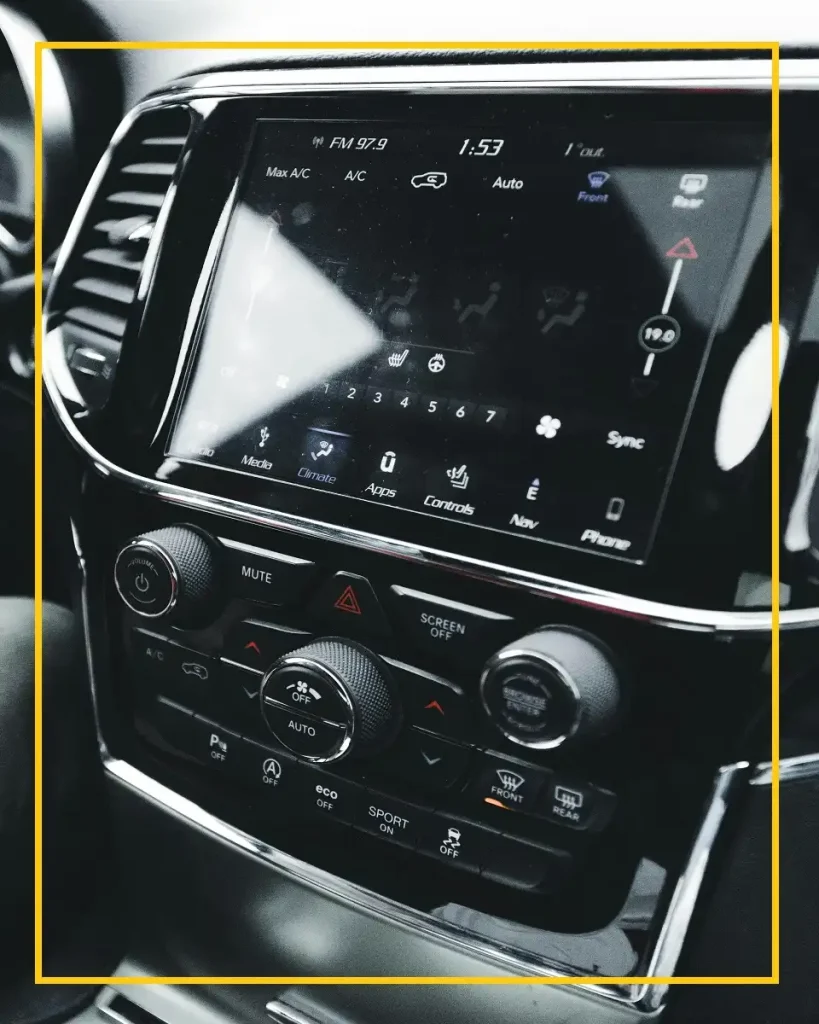
When an actuator sticks, it can lead to several problems:
- Inconsistent Airflow: Air may not flow as intended through the vents.
- Temperature Issues: The cabin may not reach the desired temperature.
- Stuck Modes: The system may remain in one mode, such as defrost.
Identifying these symptoms early can save time and money on repairs.
Tools Required
Before starting the repair process, gather the following tools:
| Tool | Purpose |
| Socket Set | For removing screws and bolts |
| Ratchet and Extensions | To access hard-to-reach screws |
| Torx Screwdrivers | For specific screws depending on your vehicle |
| Pliers | For pulling out fuses or connectors |
| Trim Removal Tools | To safely remove plastic panels |
| Magnet Tool | To retrieve dropped screws |
| Flashlight or Work Light | To illuminate dark areas inside the dashboard |
| Lubricant | To smooth actuator operation |
| Multimeter (Optional) | For testing electrical connections |
| Mirror (Optional) | To see hidden components in tight spaces |
Having these tools ready will make the repair process smoother and more efficient.
Read: Best Férarie Vehicle Air Conditioning Repair in USA
Diagnosing the Problem

Step 1: Identify the Problem
Begin by confirming that the actuator is indeed malfunctioning. Look for symptoms such as:
- Inconsistent airflow
- Temperature issues
- The system stuck in one mode
Step 2: Access the Actuator
To access the actuator:
- Remove the passenger side teardrop panel.
- Take off any nearby plastic trims.
- If needed, remove the fuse box cover and flexible hoses connected to the HVAC system.
Step 3: Test Actuator Movement
- Turn the temperature knob to see if the flap moves.
- Check for power at the actuator using a multimeter; it should show 0-5V depending on your temperature setting.
Step 4: Inspect for Obstructions
Sometimes debris can jam the actuator. Look for stones or dirt obstructing movement and remove them if found.
Read: Vacuum Leaks: Symptoms, Detection & Repair Solutions for Your Car
Removing and Repairing the Actuator
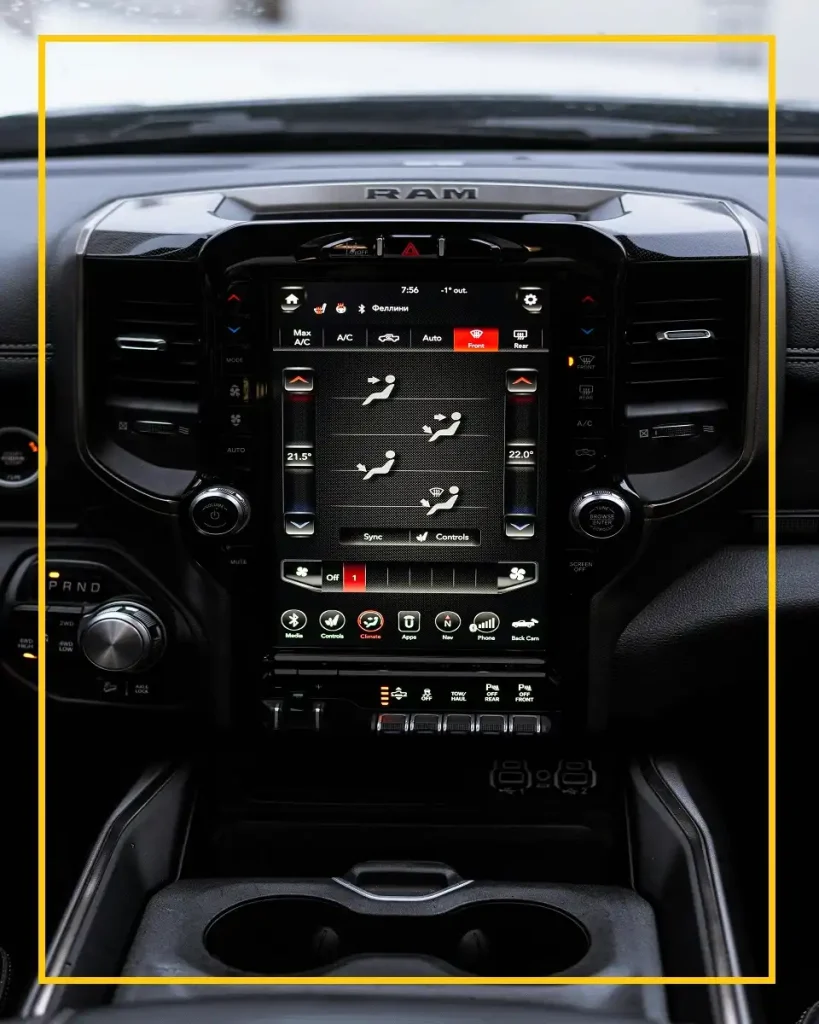
Step 5: Remove the Actuator
- The actuator is typically secured by two screws. Use a right-angle driver to access these screws easily.
- Be cautious as screw heads may turn while loosening; apply pressure with a flathead screwdriver to keep them in place.
Step 6: Lubricate Moving Parts
If you find that the flap is stuck due to friction:
- Apply a suitable lubricant to the channels where the actuator pin rides.
Step 7: Reinstall the Actuator
- Carefully reattach the actuator, ensuring all screws are tightened properly.
- It’s advisable to glue screws to your screwdriver to prevent dropping them during installation.
Step 8: Resetting the System
After reinstallation, you may need to reset your HVAC system:
- Disconnecting the battery for about 10-15 minutes can reset electronic components.
- Alternatively, remove and reinsert the HVAC fuse after waiting for a minute or two.
Step 9: Final Testing
Start your vehicle and test all climate control functions to ensure that everything operates smoothly across all settings.
Read: Coolant Leak Repair: How To Find And Fix Car Coolant Leak In USA
Common Mistakes to Avoid
When fixing a sticking HVAC actuator, avoid these common pitfalls:

- Neglecting Proper Diagnosis: Ensure that you accurately diagnose the issue before proceeding with repairs.
- Improper Installation: Make sure that all components are aligned correctly during reinstallation.
- Using Low-Quality Parts: Always opt for high-quality replacement parts to ensure longevity.
- Attempting DIY Repairs Without Knowledge: If unsure, consult a professional mechanic.
- Forcing Components: Handle parts gently to avoid damage.
- Ignoring Calibration Needs: Follow calibration procedures after installation.
- Overlooking Regular Maintenance: Perform routine checks to catch issues early.
- Not Cleaning Before Installation: Clean debris or corrosion from connection areas before installing new parts.
By avoiding these mistakes, you can enhance your repair effectiveness and ensure a reliable climate control system.
When Lubrication Alone Isn’t Enough
While lubrication can often help fix a sticking actuator, it may not be a complete solution:
- Effectiveness of Lubrication: Applying lubricant can reduce friction and allow smoother operation.
- Limitation of Lubrication: If there are underlying issues like electrical failures or mechanical damage, lubrication alone won’t resolve them.
- Cleaning and Maintenance: Cleaning accumulated dirt around the actuator before applying lubricant can improve performance.
If lubrication does not resolve the issue, further investigation may be necessary.
Read: What Is The Signs of A Bad Transmission [Warning Signs You Need Repair]
Resetting Your HVAC System Without Removing Parts

To reset your HVAC system without disassembly:
Step#1. Turn off your HVAC system using the thermostat.
Step#2. Locate your circuit breaker box.
Step#3. Switch off the breaker controlling your HVAC system.
Step#4. Wait for at least 30 minutes before restoring power.
Step#5. Turn on your system and monitor its functionality.
This method allows you to reset internal components without needing to remove any parts.
Read: Does Napa Auto Parts Install Batteries? Napa Auto Parts Battery
Best Car Climate Control System in USA
When evaluating the leading car climate control systems in the United States, several vehicles are recognized for their superior air conditioning and comfort features.
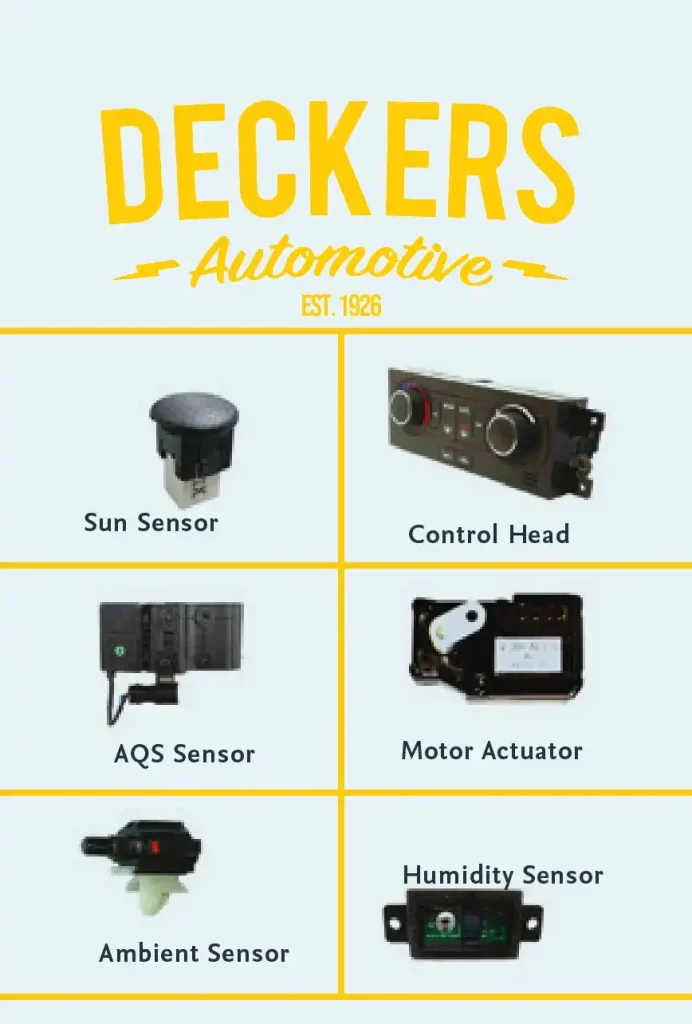
Below is a detailed overview of some notable models that excel in this area:
Notable Vehicles with Excellent Climate Control
| Vehicle | Features |
| Nissan Pathfinder | Redesigned in 2022 with wide vents for even cooling and tri-zone automatic climate control. |
| Mercedes-Benz E-Class | The E 450 4Matic Sedan utilizes EQ Boost for quick access to cool air and includes dual-zone climate control with a dust filter. |
| Subaru Crosstrek | Features a “Max AC” button for rapid cooling, ideal for hot climates. |
| Kia Sorento | Offers uniquely shaped vents for customizable airflow throughout the cabin. |
| Rolls-Royce Ghost | Chrome-plated adjustable vents provide efficient cooling even in high temperatures. |
| BMW 4 Series | The M440i xDrive model features a mild-hybrid system for rapid cooling with strategically placed vents. |
| Ford Mustang Mach-E | Stylish horizontal vents efficiently circulate cooled air in its spacious cabin. |
| Volvo XC90 | The XC90 Recharge T8 Inscription ensures powerful airflow for comfort on hot days. |
| Lexus RX | Known for its robust climate control system that maintains a consistent airflow throughout the cabin. |
| Nissan Leaf | Despite being an older model, it excels in quick cooling capabilities, making it reliable for warm weather. |
General Insights on Climate Control Systems
- Multi-Zone Systems: Many modern vehicles are equipped with multi-zone HVAC systems, allowing different areas of the cabin to have individual temperature settings, enhancing overall passenger comfort.
- Heat Pump Technology: This energy-efficient technology is increasingly utilized in electric vehicles to provide effective heating and cooling without excessive energy consumption.
- Air Quality Features: Advanced filtration systems and air quality sensors are becoming standard in many vehicles, ensuring that cabin air remains clean and pleasant.
Read: Is Smyth Automotive Provide Best Automotive Service in USA?
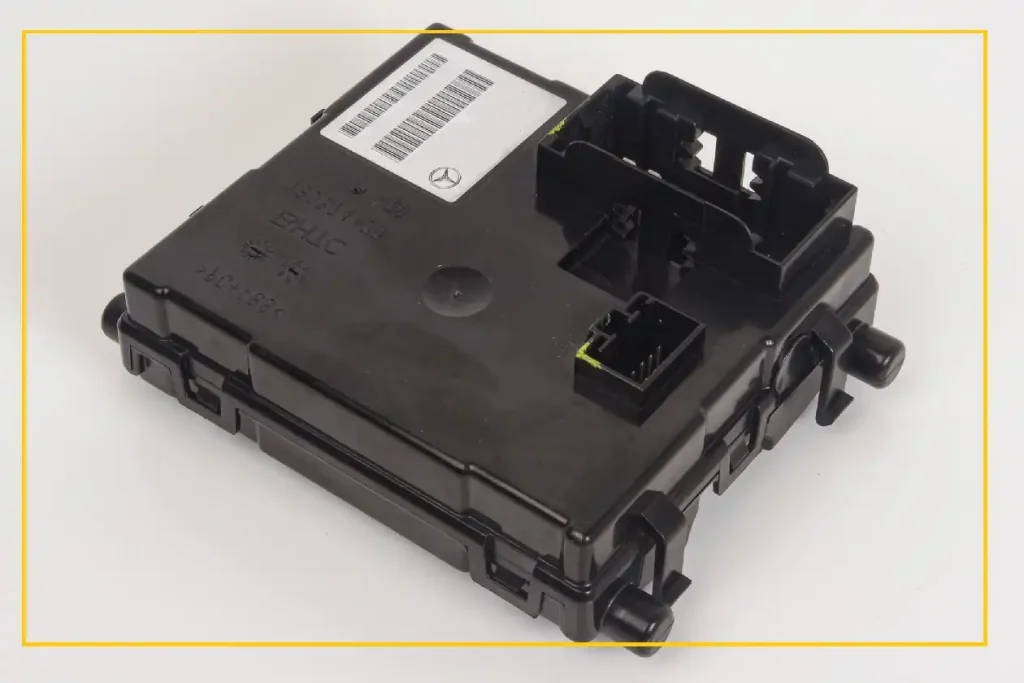
Climate Control Module in Car
The effectiveness of a car climate control system significantly contributes to driving comfort, particularly in regions experiencing extreme temperatures. Models such as the Nissan Pathfinder, Mercedes-Benz E-Class, and Subaru Crosstrek are among those recognized for their exceptional air conditioning capabilities in the U.S. market as of January 2025.
Read: Is SMYTH Automotive Smyth Auto Parts better than NAPA Auto Parts?
Disadvantages of Automatic Climate Control in Car
Automatic climate control systems in vehicles provide enhanced comfort and convenience, but they also come with notable disadvantages that potential buyers should carefully evaluate.

Below is a detailed overview of these drawbacks, along with a comparative table highlighting basic aspects of automatic versus manual car climate control system.
Disadvantages of Automatic Climate Control
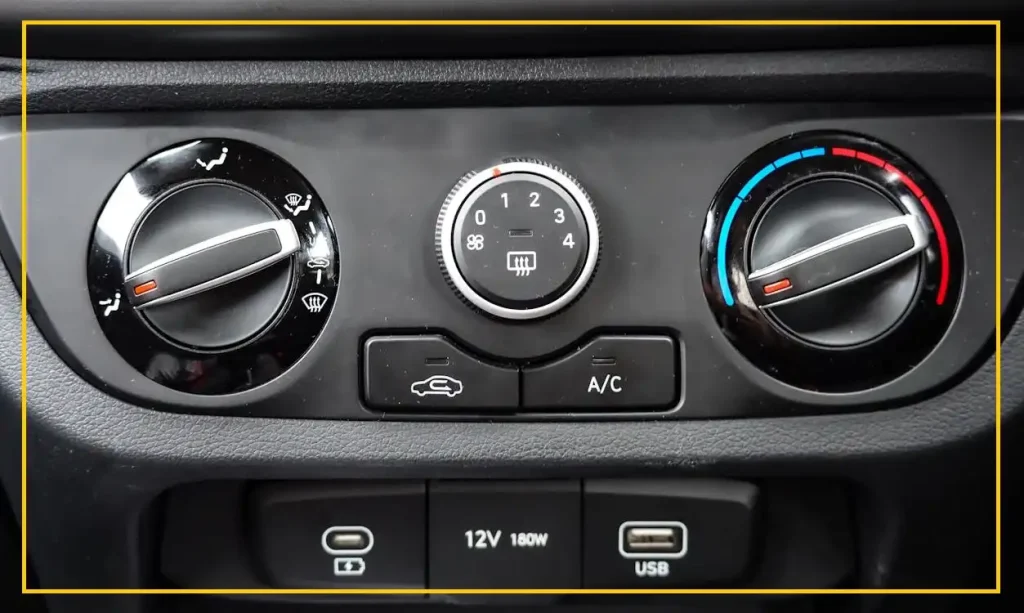
Complexity of Use
- Complicated Interface: Many automatic car climate control system feature numerous buttons and settings, which can be overwhelming for users who are not familiar with the technology. This complexity can lead to distractions while driving, as users may struggle to make quick adjustments.
- Learning Curve: Drivers may require time to familiarize themselves with the system’s operation, which can impede their ability to use it efficiently while on the road1.
Cost Implications
- High Repair Costs: If the sensors or electronic components fail, repairs can be significantly more expensive than those for manual systems. The intricate nature of diagnosing and fixing issues related to computerized controls contributes to this higher cost.
- Initial Expense: Vehicles equipped with automatic climate control typically have a higher purchase price compared to those with manual air conditioning systems, making them a more costly option initially.
Performance Limitations
- Air Mixing Issues: These systems may mix outside air with conditioned air, potentially compromising the effectiveness of temperature regulation within the cabin. This can lead to inconsistent temperatures and discomfort for passengers.
- Limited Customization: While designed for convenience, automatic systems often do not allow for as much direct control over fan speed and temperature settings as manual systems do. Some users prefer the ability to make precise adjustments based on their comfort preferences.
Comparison Table: Automatic vs. Manual Climate Control
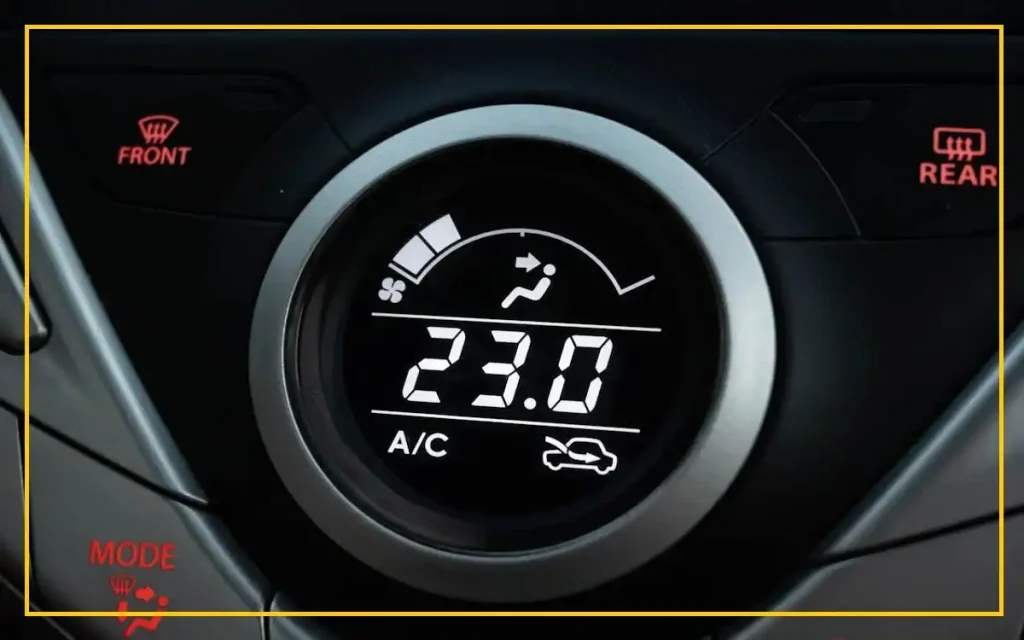
| Feature | Automatic Climate Control | Manual Climate Control |
| Ease of Use | Complex interface; may distract drivers | Simple controls; straightforward usage |
| Repair Costs | Higher due to electronic components | Generally lower; simpler mechanics |
| Initial Cost | Higher purchase price | More affordable options available |
| Temperature Regulation | May mix outside air with conditioned air | Direct control over temperature |
| Customization Options | Limited direct adjustments | Full control over fan speed and temp |
While automatic car climate control system enhance comfort and convenience in vehicles, their complexity, potential for high repair costs, and performance limitations are critical factors for consumers to consider when evaluating their vehicle options. Understanding these drawbacks can help buyers make informed decisions tailored to their preferences and needs.
Read: What Time Does Napa Auto Parts Close
How To Use Car Climate Control System
To effectively utilize climate control in your vehicle, it’s essential to understand the operation of different systems available. Below is a comprehensive guide to help you navigate these features.
General Operation
Setting the Temperature
- Automatic Climate Control: Select your desired temperature, commonly around 72°F, and activate the AUTO button. The system will automatically adjust fan speed and air distribution to maintain this temperature.
- Manual Systems: Adjust the temperature using the dial, which typically features blue (cool) and red (warm) zones.
Fan Control
- The fan speed can be adjusted manually or will automatically change in auto mode to achieve the desired temperature. If the fan is too loud, you can manually reduce its speed.
Air Distribution
- You can direct airflow using different vent settings:
- Vent Mode: Air flows from dashboard vents.
- Floor Mode: Air is directed towards the floor.
- Bi-Level Mode: Air is distributed between dashboard and floor vents.
Recirculation Mode
- Activate the Recirculation button to reuse interior air for quicker cooling, especially beneficial on hot days or in polluted areas.
Defrosting
- Use the dedicated defrost button to clear fog or ice from the windshield quickly. This often activates both heating and air conditioning systems.
Advanced Features
Multi-Zone Car Climate Control System
- Dual-Zone Climate Control: Allows separate temperature settings for the driver and front passenger. Press the SYNC button to match passenger settings with the driver’s adjustments.
- Tri-Zone and Quad-Zone Systems: Some vehicles enable distinct temperature settings for rear passengers as well, offering even more customization for comfort during travel.
| Feature | Description |
| Dual-Zone | Two different temperatures for driver and front passenger. |
| Tri-Zone | Three zones with separate controls for front and rear passengers. |
| Quad-Zone | Four individual temperature settings for each passenger seat. |
By familiarizing yourself with these controls and features, you can optimize your vehicle’s climate system for enhanced comfort during your travels.
Latest Updates (January 2025)
Recent advancements in automotive car climate control system include enhanced sensor technology that allows for more precise temperature regulation and improved air quality features, such as advanced filtration and ionization systems. These updates aim to provide a healthier cabin environment while ensuring optimal comfort for all passengers.
Read: Who Owns NAPA Auto Parts and Is It Better than AutoZone for Auto Parts?
Manual AC vs Automatic AC in Cars Which Is Better
When deciding between manual air conditioning (AC) and automatic car climate control system in vehicles, various factors such as convenience, fuel efficiency, maintenance costs, and overall user experience must be considered.

Manual AC
Functionality:
Manual AC systems require the driver to adjust the temperature and blower speed manually. This necessitates frequent interaction with the controls to maintain comfort as external conditions change.
Fuel Efficiency:
Manual AC is often perceived as more fuel-efficient. Users report that manual systems can cool the cabin more quickly and may consume less fuel since they allow for direct control over the compressor and fan speeds.
Maintenance Costs:
Generally, manual AC systems are simpler and less expensive to repair. If a component fails, repairs tend to be more affordable compared to automatic systems that depend on complex sensors and electronics.
Automatic AC

Functionality:
Automatic car climate control system adjust the cabin temperature automatically based on user-set preferences. Utilizing onboard sensors, they regulate airflow and temperature, providing a consistent environment without requiring constant adjustments from the driver.
Fuel Efficiency:
While automatic systems aim to optimize fuel efficiency by adjusting fan speeds and compressor operation according to cabin temperature, some users argue they may not always be as efficient as manual systems in specific conditions.
However, they provide the convenience of maintaining a set temperature without user intervention.
Maintenance Costs:
Repairs for automatic climate control can be more costly due to their complexity. The reliance on electronic components means that when issues arise, they often require specialized knowledge and parts.
Comparison Table
| Feature | Manual AC | Automatic AC |
| Control | Manual adjustments required | Automatic adjustments based on sensors |
| Fuel Efficiency | Potentially better in some cases | Optimized but may vary by conditions |
| Maintenance Cost | Generally lower | Generally higher |
| User Experience | Requires constant interaction | “Set it and forget it” convenience |
| Comfort Levels | May require frequent adjustments | Maintains consistent temperature |
Read: Is AutoZone better than NAPA for auto parts? A Comprehensive Comparison
The choice between manual and automatic AC largely depends on personal preferences and driving conditions. If you value simplicity, lower maintenance costs, and potentially better fuel efficiency, a manual AC might be more suitable.
Conversely, if you prioritize convenience and consistent comfort without frequent adjustments, an automatic climate control system could be the better option. Each system has its advantages and disadvantages that should be evaluated based on individual needs and driving environments.
Latest Updates (January 2025)
Recent discussions highlight that while both systems have their merits, automatic climate control is increasingly becoming standard in modern vehicles due to its convenience and enhanced comfort features.

Moreover, advancements in technology are making these systems more efficient and user-friendly. However, concerns regarding their complexity and cost of repairs remain prevalent among users considering their options.
Read: Find Car Parts and Auto Accessories At Napa Auto Parts Algona ia
Finally
Fixing a sticking actuator in your car climate control system requires careful diagnosis and methodical repair steps. By understanding how actuators work, gathering necessary tools, avoiding common mistakes, and knowing when to seek professional help, you can effectively restore comfort in your vehicle.
Regular maintenance and timely repairs will ensure that your climate control system remains reliable for years to come.
More Automotive Update Visit Deckers Auto