
Introduction
There are common causes of check engine light flashing, but the reasons behind them are grave. If your automotive engine has such an issue, you must search for Auto Mobile Shop Near Me in the USA. The check engine light is an essential indicator in your vehicle’s dashboard.
When it starts flashing, it’s not just a mild suggestion but it is an urgent warning that demands immediate attention. The DeckersAuto shares the common causes of check engine light flashing. And how to identify potential issues, and what steps you should take to ensure your vehicle’s health and safety.
Recent Released: How To Customize Supra MK4 in USA
What Does A Check Engine Light Flashing Mean?
A flashing check engine light is different from a steady illumination. While a steady light indicates a problem that needs attention soon, a flashing light signifies a severe issue that requires immediate action.
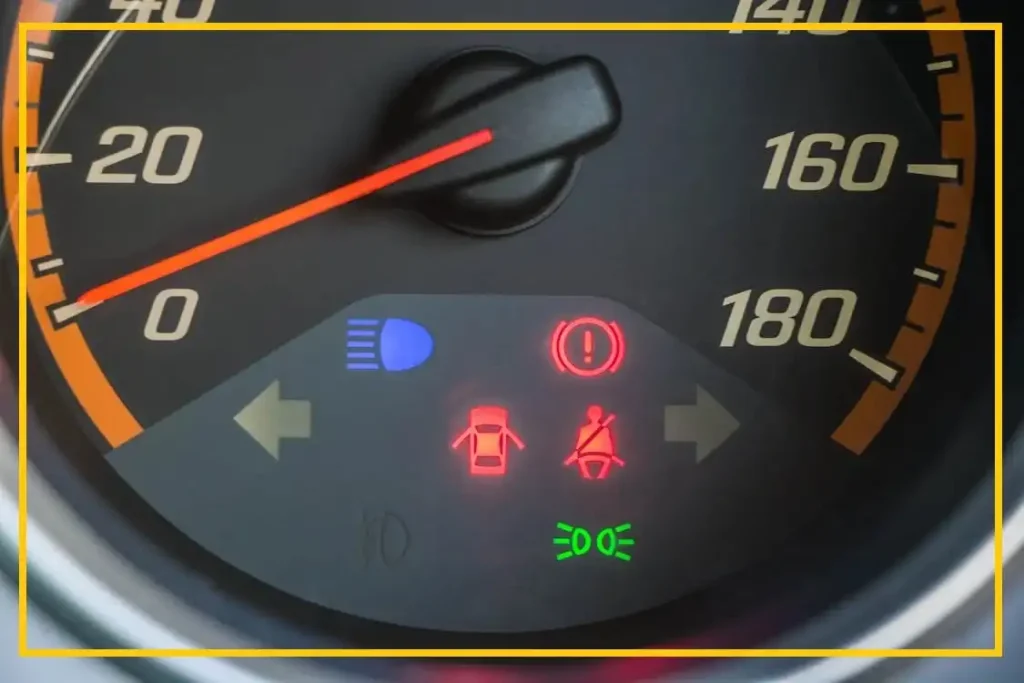
In most cases, a flashing check engine light points to an engine misfire, which can lead to extreme damage if not addressed promptly.
What Causes Engine Light to Flash
Common Causes: Several issues can trigger a flashing check engine light.
Let’s take a look at the most frequent culprit:
1. Ignition System Problems
The ignition system is responsible for creating the spark that ignites the fuel in your engine. Problems in this system often lead to misfires. Common ignition system issues include:
- Worn or faulty spark plugs
- Damaged ignition coils
- Failing distributor cap or rotor (in older vehicles)
When these components fail, they can’t create a strong enough spark to ignite the fuel properly, resulting in a misfire and a flashing check engine light.
2. Fuel Delivery Issues
For your engine to run smoothly, it needs the right amount of fuel delivered at the right time. Problems with fuel delivery can cause misfires and trigger the flashing light. These issues might include:
- Clogged or leaking fuel injectors
- Faulty fuel pump
- Malfunctioning fuel pressure regulator
Any of these problems can lead to an incorrect air-fuel mixture, causing the engine to misfire.
3. Vacuum Leaks
Your engine relies on a precise balance of air and fuel. Vacuum leaks disrupt this balance by allowing unmetered air into the engine. Familiar sources of vacuum leaks include:
- Damaged vacuum hoses
- Worn intake manifold gaskets
- Cracked intake manifold
These leaks can cause the engine to run lean (too much air, not enough fuel), leading to misfires and a flashing check engine light.
4. Mechanical Issues
Sometimes, the problem lies deeper within the engine itself. Mechanical issues that can cause misfires include:
- Worn piston rings
- Faulty timing belt or chain
- Low engine compression
These problems are often more serious and can lead to significant engine damage if not addressed promptly.
5. Oxygen Sensor Malfunction
While less common, a faulty oxygen sensor can indirectly cause the check engine light to flash. The oxygen sensor monitors the exhaust gases and helps the engine computer adjust the air-fuel mixture. If it fails, it can lead to an improper mixture, causing misfires and triggering the flashing light.
How to Identify Potential Issues
Do you know that what is the most common cause of a flashing check engine light? Then, knowing the signs of these problems can help you catch issues early, saving you from costly repairs.
Here are some symptoms to watch out for:
Problem#1.Signs of Faulty Spark Plugs
- Engine misfiring or sputtering
- Difficulty starting the vehicle
- Rough idling
- Reduced fuel economy
- Loss of power during acceleration
Problem#2.Indicators of a Vacuum Leak
- Rough or sporadic idling
- Engine hesitation or stalling
- Hissing or sucking noises from the engine
- Decreased fuel efficiency
- Higher than normal idle RPM
Problem#3.Effects of Engine Misfire on Performance
- Decreased power and acceleration
- Rough idling and increased vibrations
- Reduced fuel efficiency
- Potential long-term engine damage
- Difficulty starting or frequent stalling
What to Do When Your Check Engine Light Starts Flashing
If your check engine light begins flashing while you’re driving, it’s crucial to take immediate action:
Step#1. Safely pull over: Find a safe spot to stop your vehicle as soon as possible.
Step#2. Turn off the engine: This can prevent further damage to your vehicle.
Step#3. Check the gas cap: Sometimes, a loose gas cap can trigger the check engine light. Tighten it and see if the light turns off.
Step#4. Avoid driving: If the light continues flashing, it’s best not to drive the vehicle.
Step#5. Get a professional diagnosis: Have your car towed to a reputable mechanic or dealership for a proper diagnosis.
Step#6. Address the issue promptly: Once the problem is identified, have it repaired as soon as possible to prevent further damage.
Preventive Measures
While some issues are unavoidable, regular maintenance can help prevent many problems that cause a flashing check engine light:
Step#1. Follow the manufacturer’s suggest maintenance schedule
Step#2. Replace spark plugs at suggest intervals
Step#3. Keep your fuel system clean with periodic fuel system cleanings
Step#4. Have your engine inspected regularly for vacuum leaks
Step#5. Pay attention to changes in your vehicle’s performance and address them promptly
Useful Table: Common Causes and Symptoms of a Flashing Check Engine Light
| Cause | Common Symptoms | Potential Consequences if Ignored |
| Faulty Spark Plugs | Misfiring, trouble starting, rough idling | Reduced fuel efficiency, catalytic converter damage |
| Fuel Delivery Issues | Engine hesitation, poor acceleration, stalling | Engine damage, complete failure of fuel system |
| Vacuum Leaks | Hissing sounds, rough idling, decreased fuel efficiency | Increased engine wear, poor performance |
| Mechanical Issues | Loss of power, knocking sounds, excessive oil consumption | Severe engine damage, possibly requiring replacement |
| Oxygen Sensor Failure | Decreased fuel efficiency, rough idling, failed emissions test | Catalytic converter damage, increased emissions |
Check Engine Light Flashing and Car Shaking
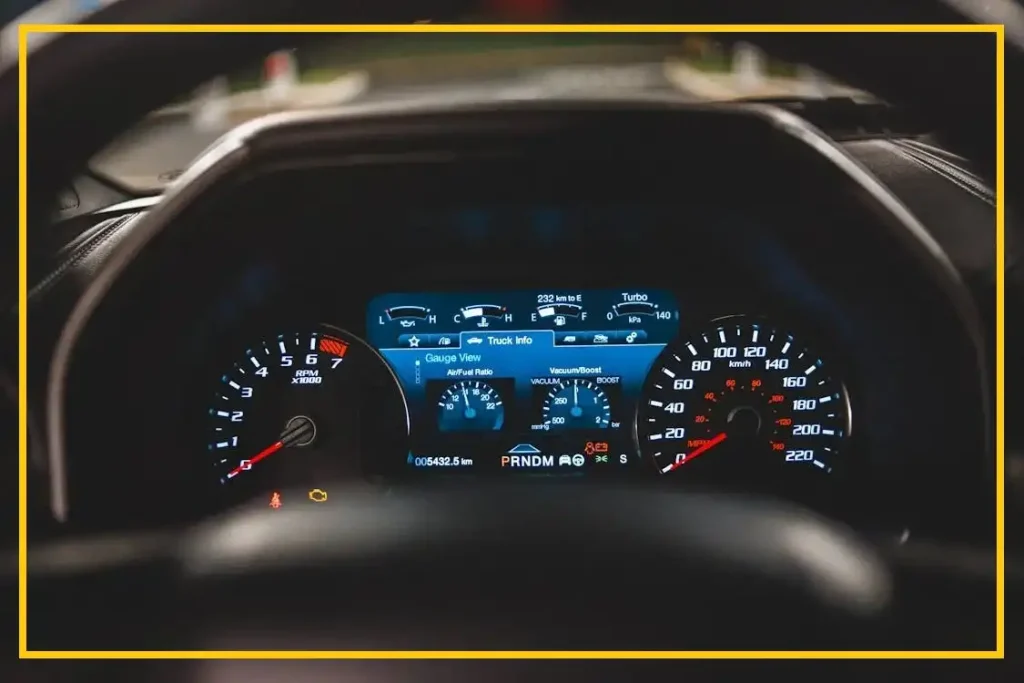
When the check engine light begins to flash and your vehicle shakes, it signals a potentially serious problem, most often an engine misfire. This condition occurs when one or more engine cylinders fail to ignite the fuel-air mixture correctly, resulting in incomplete combustion. Below is a comprehensive overview of the causes, immediate actions, and a summary.
Causes of Flashing Check Engine Light and Car Shaking
1. Engine Misfire
The most prevalent cause of both symptoms is an engine misfire, which can be triggered by several factors:
- Faulty Spark Plugs or Ignition Coils: These components are crucial for proper ignition. If they malfunction, it can lead to misfires, causing the engine to shake and the check engine light to flash.
- Fuel Delivery Issues: Problems with fuel injectors or a clogged fuel filter can hinder the correct amount of fuel from reaching the engine, leading to misfires.
- Vacuum Leaks: A vacuum leak can disrupt the air-fuel mixture, resulting in misfires and activating the check engine light.
- Sensor Failures: Malfunctions in sensors such as the oxygen sensor or crankshaft position sensor can interfere with the fuel-air mixture and timing, causing misfires.
- Catalytic Converter Damage: Continuing to drive under these conditions may result in severe damage, including potential failure of the catalytic converter due to unburnt fuel entering it.
Immediate Actions to Take
1. Do Not Drive
Avoid driving your vehicle when experiencing these symptoms. Continuing to drive could worsen damage to your engine and catalytic converter.
2. Pull Over Safely
When you notice the flashing check engine light and shaking, find a safe location to pull over and turn off the engine.
3. Diagnostic Check
Utilize an OBD2 scanner to read any trouble codes indicating which cylinder is misfiring or what specific issue is present.
Check Engine Light Flashing and Car Shaking
A flashing check engine light coupled with car shaking indicates significant engine issues primarily linked to misfires. It is essential to seek professional assistance immediately to diagnose and resolve the problem before further damage occurs. Ignoring these warning signs can lead to costly repairs and safety hazards.
| Symptoms | Potential Causes | Immediate Actions |
| Flashing check engine light | Engine misfire | Do not drive |
| Car shaking | Faulty spark plugs or ignition coils | Pull over safely |
| Fuel delivery issues | Perform a diagnostic check | |
| Vacuum leaks | ||
| Sensor failures | ||
| Catalytic converter damage |
This table summarizes the symptoms, potential causes, and immediate actions you should take when faced with a flashing check engine light and car shaking.
Check Engine Light Flashing When Accelerating
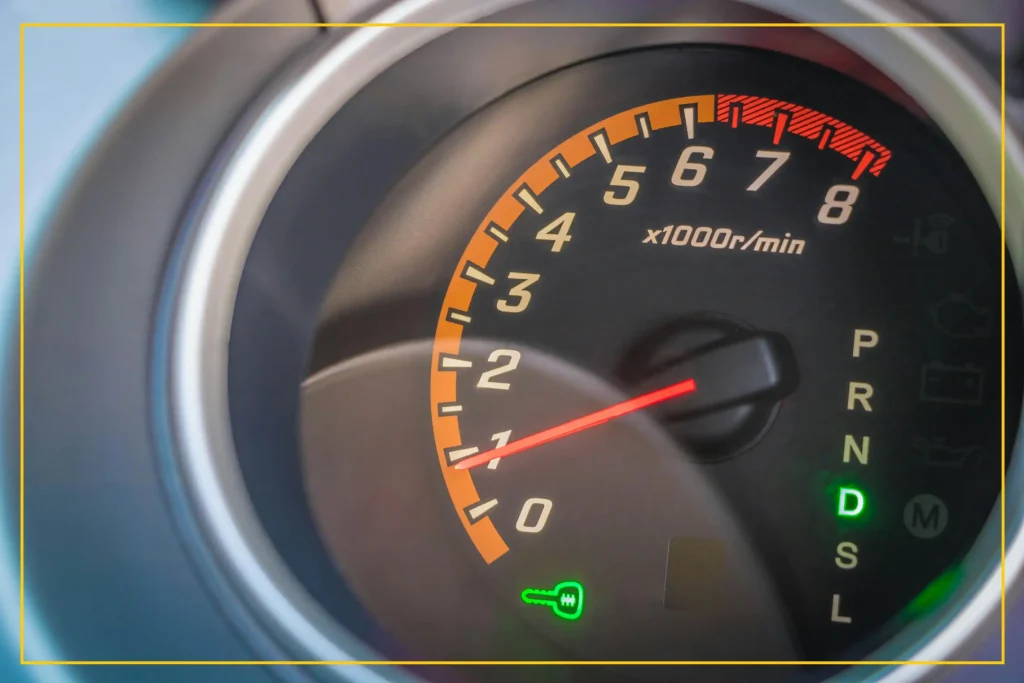
A flashing check engine light during acceleration is a critical alert that signifies potential engine problems needing urgent attention. Below is a detailed overview of the common causes and recommended actions when this warning light activates.
Common Causes of a Flashing Check Engine Light
- Engine Misfire: An engine misfire is the most prevalent cause of a flashing check engine light. It occurs when one or more cylinders do not ignite correctly, resulting in unburned fuel entering the exhaust system and overheating the catalytic converter, which can lead to damage or fire.
- Ignition System Issues: Problems within the ignition system, such as defective spark plugs or ignition coils, can disrupt the necessary air-fuel mixture for optimal engine performance. This disruption often leads to misfires, which triggers the warning light.
- Fuel Delivery Problems: Malfunctions in the fuel delivery system—such as clogged fuel injectors, a dirty fuel filter, or a failing fuel pump—can result in inadequate fuel supply to the engine during acceleration, causing the check engine light to flash.
- Sensor Malfunctions: Various sensors (e.g., mass airflow or oxygen sensor) monitor engine performance and emissions. If these sensors fail, they may send incorrect data to the engine control unit (ECU), leading to performance issues and illuminating the warning light.
- Vacuum Leaks: Leaks in vacuum hoses can alter the air-fuel mixture, resulting in engine performance problems that may also trigger the check engine light.
Recommended Actions
- Immediate Attention Required: A flashing check engine light should always be addressed. Continuing to drive under these conditions can lead to severe damage and expensive repairs, particularly to components like the catalytic converter.
- Pull Over Safely: If you notice the light flashing while driving, you should pull over and turn off the engine safely. Continuing to drive could exacerbate any underlying issues.
- Diagnostic Check: Utilize an OBDII diagnostic tool to read error codes from your vehicle’s computer. It will help identify specific issues related to the check engine light.
- Consult a Mechanic: Given that diagnosing and repairing these issues can be complex, it is best to consult a qualified mechanic to assess and address the problem accurately.
In summary, if your check engine light is flashing while accelerating, it indicates a serious issue that requires an immediate professional evaluation to prevent further damage to your vehicle.
Summary Table of Causes and Actions
| Cause | Description | Recommended Action |
| Engine Misfire | Failure of one or more cylinders to ignite properly | Immediate inspection by a mechanic |
| Ignition System Issues | Faulty spark plugs or ignition coils disrupting air-fuel mixture | Diagnostic check and potential replacement |
| Fuel Delivery Problems | Insufficient fuel supply due to clogged injectors or failing pump | Inspect fuel system components |
| Sensor Malfunctions | Incorrect data sent by malfunctioning sensors affecting performance | Check and replace faulty sensors |
| Vacuum Leaks | Altered air-fuel mixture due to leaks in vacuum hoses | Inspect hoses and repair leaks |
By understanding these causes and actions, vehicle owners can take proactive steps when their check engine light flashes, ensuring their vehicle remains safe and operational.
What To Do When Check Engine Light Flashing While Driving
When the check engine light begins to flash while driving, it signals a critical issue that requires immediate attention. This warning usually points to an engine misfire, leading to significant damage if not addressed swiftly.
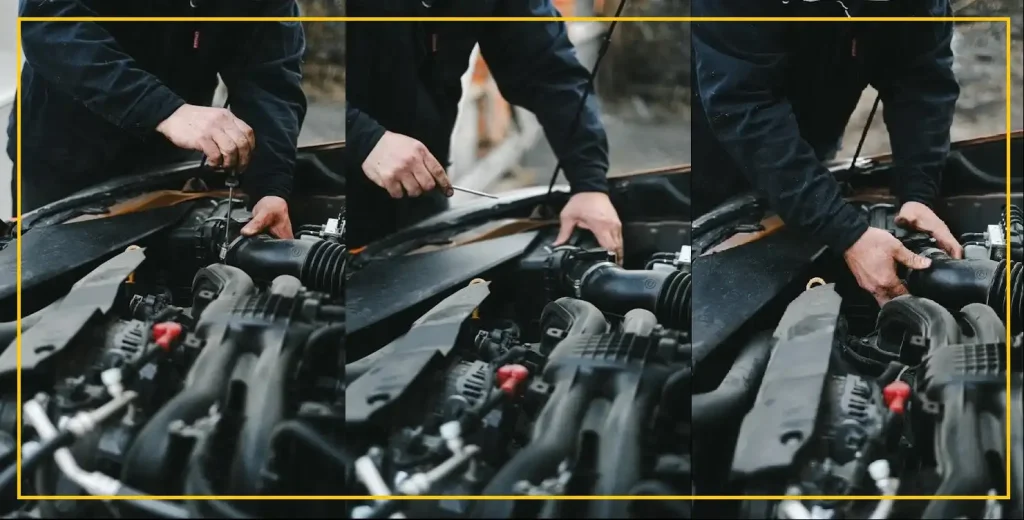
Common Causes of a Flashing Check Engine Light
| Cause | Description |
| Engine Misfire | The primary reason for a flashing light, caused by improper ignition of the fuel-air mixture in one or more cylinders. This may result from faulty spark plugs, ignition coils, or fuel delivery issues. |
| Catalytic Converter Issues | A malfunctioning catalytic converter can cause the light to flash due to unburned fuel entering the exhaust system, risking damage to the converter and increasing fire hazards. |
| Oxygen Sensor Failure | A failing oxygen sensor can disrupt the engine’s fuel-to-air ratio, leading to inefficiencies and heightened emissions, potentially damaging the catalytic converter if ignored. |
| Fuel System Problems | Issues like clogged fuel injectors or malfunctioning fuel pumps can trigger misfires, resulting in a flashing check engine light. |
| Loose or Damaged Gas Cap | Although less urgent, a loose or damaged gas cap can also cause the light to flash, indicating a need for immediate correction to prevent fuel evaporation. |
Immediate Actions to Take
- Pull Over Safely: Upon noticing a flashing check engine light, find a safe place to stop immediately. Continuing to drive could worsen any underlying problems.
- Consult a Mechanic: Arrange for your vehicle to be towed to a qualified mechanic who can perform a comprehensive diagnostic check. They will identify the specific cause of the misfire and recommend necessary repairs.
Check Engine Light Flashing While Driving
A flashing check engine light is an urgent indicator of potential issues with your vehicle’s engine or emissions system. Promptly addressing this warning can prevent costly repairs and ensure your vehicle remains safe and operational.
If your check engine light starts flashing while driving, take it seriously and act quickly to avoid further complications.
How Long Can You Drive With A Blinking Engine Light
Driving with a blinking engine light is a critical issue that requires instant attention. Below is a comprehensive overview of the implications and recommended actions when faced with this warning.
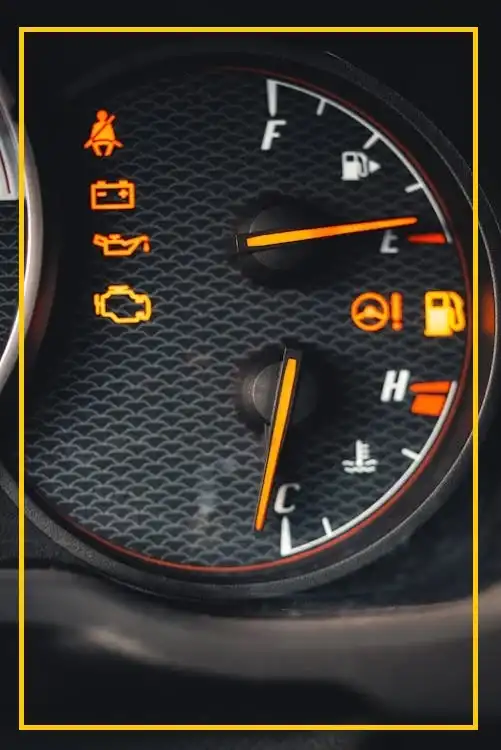
Understanding the Blinking Engine Light
Indication of Serious Issues
A blinking engine light often indicates significant problems related to engine misfires or major faults within the vehicle’s systems, such as the catalytic converter or fuel system.
Immediate Action Required
When the engine light starts blinking, it is essential to safely pull over and turn off the engine as soon as possible. Continuing to drive can lead to severe damage, including potential failure of crucial components like the catalytic converter.
How Long Can You Drive?
Limited Distance
If you notice a blinking engine light, limiting your driving to just a few miles—typically no more than 10-20 miles—is advisable before seeking professional assistance. This precaution helps minimize the risk of further damage.
Potential Risks
Even short distances with a blinking light can worsen existing issues and result in costly repairs. For example, an engine misfire can quickly damage the catalytic converter, necessitating extensive repair work.
Refrain from driving long distances if your vehicle’s engine light is blinking. Instead, find a safe location to stop and consult a mechanic immediately to diagnose and resolve the underlying problem. Ignoring this warning could lead to significant and expensive repairs down the line.
| Aspect | Details |
| Indication | Serious issues like engine misfires or catalytic converter faults |
| Immediate Action | Pull over and turn off the engine |
| Safe Driving Distance | Limit to 10-20 miles before seeking help |
| Risks of Ignoring Light | Potential damage to catalytic converter and other components |
This table summarizes the implications of driving with a blinking engine light, emphasizing the importance of immediate action and professional assistance.
As Per DeckersAuto
A flashing check engine light is an extreme warning that should never be ignored. It typically indicates an engine misfire, leading to extensive and expensive damage if not addressed promptly. By understanding the common causes and symptoms associated with a flashing check engine light, you can take swift action to protect your vehicle and ensure your safety on the road.
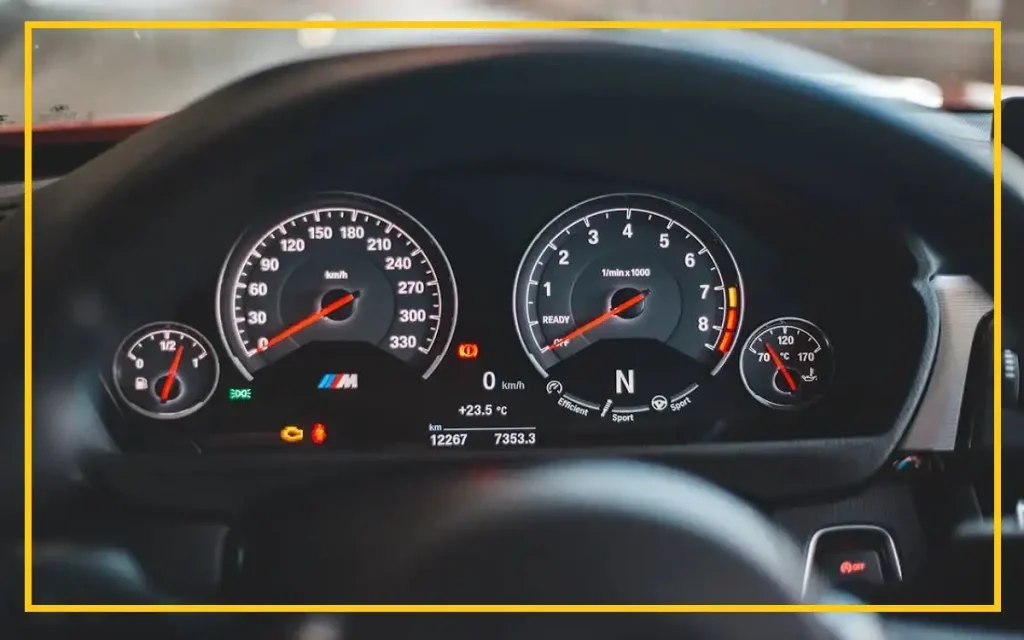
While some issues might seem minor, engine problems can escalate quickly. Always err on caution and have your vehicle inspected by a professional when you see that flashing light. Regular maintenance and prompt attention to changes in your vehicle’s performance can help prevent many of these issues, saving you time, money, and stress in the long run.
Your vehicle is a complex machine, and the check engine light is its way of communicating with you. You can keep your car running smoothly and safely for years by staying informed and responsive.
More Automotive Update Visit Deckers Auto