

Driving on a long road such as US Route 20 requires the best mileage car for American drivers, so it is better to improve gas mileage for cars to cover long-distance routes. We will discuss why your car’s gas mileage improvement is significant. Because where fuel prices fluctuate like a rollercoaster, finding ways to maximize your vehicle’s gas mileage is more difficult than ever.
Fortunately, DeckersAuto has compiled a complete set of tips and tricks to improve Gas Mileage and help you squeeze every last mile out of every gallon. From simple maintenance routines to optimized driving habits, this guide will empower you to save money at the pump while reducing your carbon footprint.
Recent Released: The Ford F-150 Lightning Electric Electric Truck in The US
Why Improve Gas Mileage of Car is Important?
Imagine the freedom of driving without the worry of refueling every few days. By implementing the DeckersAuto assistance tips, you’ll not only enjoy a smoother ride but also contribute to a greener planet. Whether you’re a seasoned road driver or a city commuter.
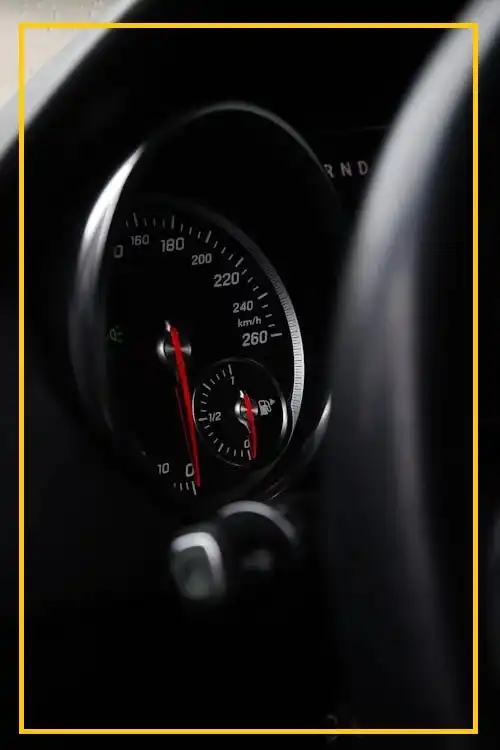
These techniques are designed to enhance your driving experience while keeping your wallet and car engine happy.
Regular Maintenance: The Basic to Fuel Efficiency
Just like a regular oil change to your car machine, your vehicle runs at its peak performance when properly maintained.
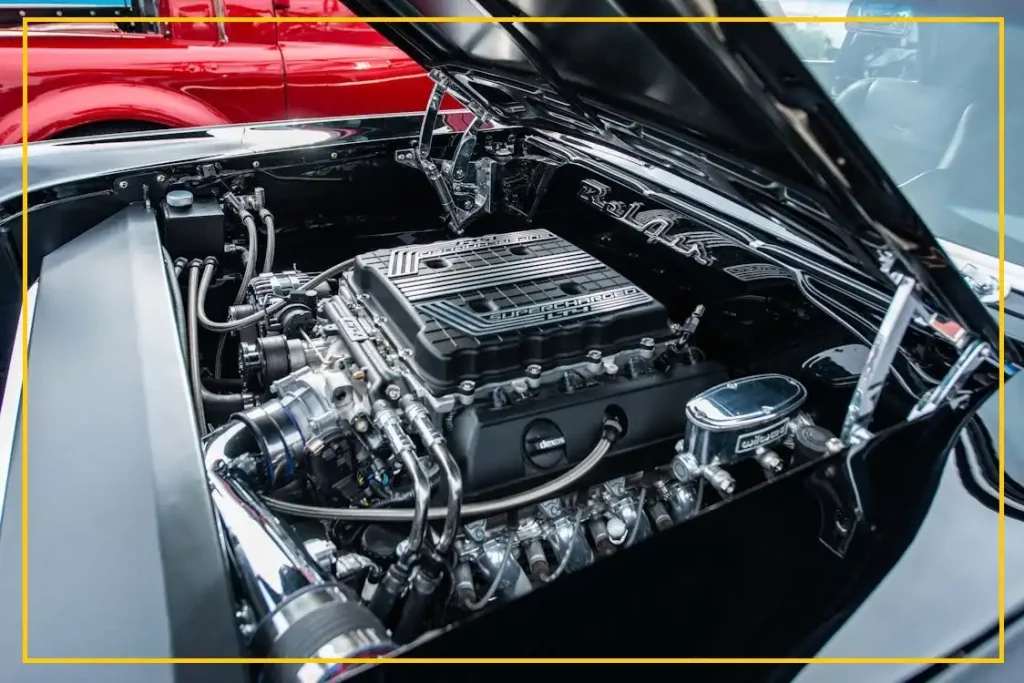
Regular tune-ups and routine servicing ensure that every component is working harmoniously, minimizing fuel consumption and maximizing your automotive Improve Gas Mileage.
Tune-Ups and Filter Replacements
Regular tune-ups ensure that all the instruments are in perfect tune, preventing unnecessary strain and fuel waste. Additionally, replacing old filters can have a significant impact on your vehicle’s efficiency, allowing it to breathe easier and operate at its best.
Tire Pressure: The Silent Fuel Guzzler
Properly inflated tires not only improve safety but can also boost and Improve Gas Mileage by up to 3%. Think of your tires as the foundation of your vehicle – when they’re underinflated, they create unnecessary resistance, forcing your engine to work harder and consume more fuel.
Weight Watchers for Your Car
Your car performs better when it’s not carrying excess baggage. Removing unnecessary items from your vehicle can increase and improve Gas Mileage by a mile or two per gallon. Take a look in your trunk and backseat – you might be surprised by how much weight you’ve accumulated over time.
Driving Habits: The Basic to Unlocking Fuel Efficiency
While maintaining your vehicle is crucial, your driving habits play an equally important role in determining your fuel economy. By adopting a few simple techniques, you can significantly improve Gas Mileage and enjoy a smoother, more efficient ride.
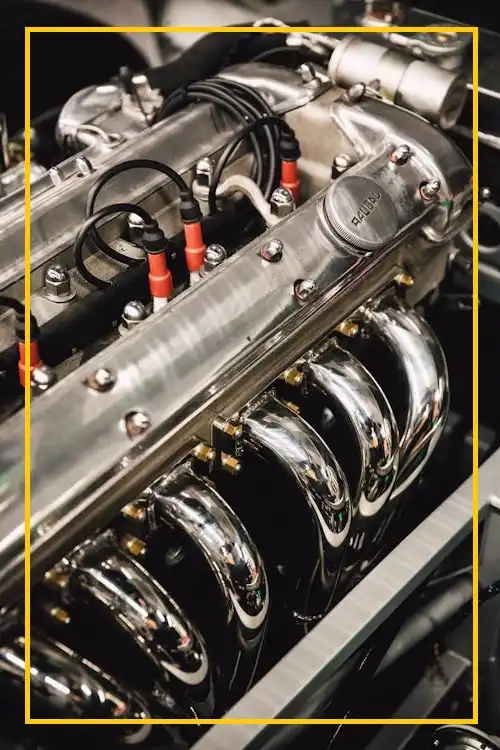
Gentle Acceleration and Braking
Imagine your gas pedal as a delicate instrument – the harder you press, the more fuel you consume. By accelerating and decelerating gently, you can avoid unnecessary strain on your engine and minimize fuel waste. Additionally, plan and anticipate stops to reduce the need for hard braking.
Cruise Control: Your Highway Companion
Cruise control is your ally on the open road, helping you maintain a consistent speed and minimizing unnecessary acceleration and braking. However, be cautious when using cruise control on slippery surfaces, as it can compromise your vehicle’s control.
Upshift and Downshift Wisely
If your vehicle has a manual transmission, upshift as soon as practical to save fuel. On the other hand, when coming to a stop, use the brakes instead of downshifting to slow the car, as this can consume more fuel.
Plan Your Route and Avoid Traffic
Sitting in traffic not only frustrates you but also wastes fuel. Before embarking on your journey, map out your route and try to avoid peak traffic times. Additionally, combine errands to minimize unnecessary trips and use express lanes whenever possible to avoid tollbooth slowdowns and stops.
Useful Table: Gas Mileage Boosters
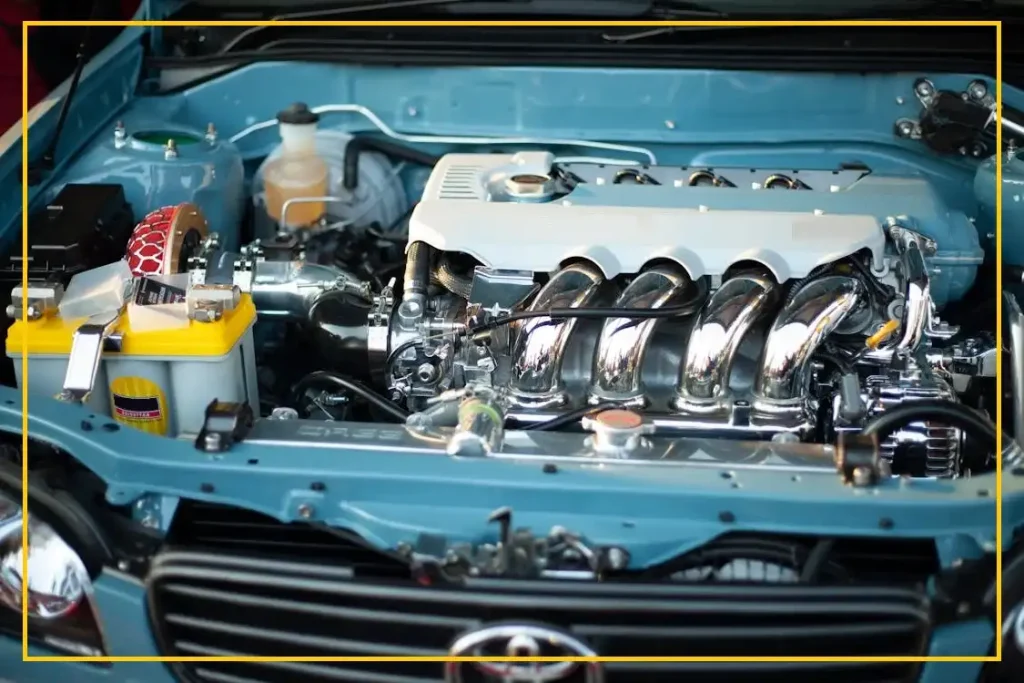
To help you visualize the impact of these strategies, we’ve compiled a handy table showcasing the potential fuel savings and benefits
| Strategy | Potential Fuel Savings |
| Regular Tune-Ups | Up to 4% |
| Proper Tire Inflation | Up to 3% |
| Removing Unnecessary Weight | Up to 2% per 100 lbs |
| Gentle Acceleration and Braking | Up to 33% (highway), 5% (city) |
| Using Cruise Control | Up to 7% |
| Route Planning and Traffic Avoidance | Variable, depends on conditions |
Does Changing Spark Plugs Improve Gas Mileage
Changing spark plugs can have a notable positive effect on improve Gas Mileage by enhancing the overall efficiency and performance of an engine. Here’s a detailed look at how this process contributes to better fuel economy:
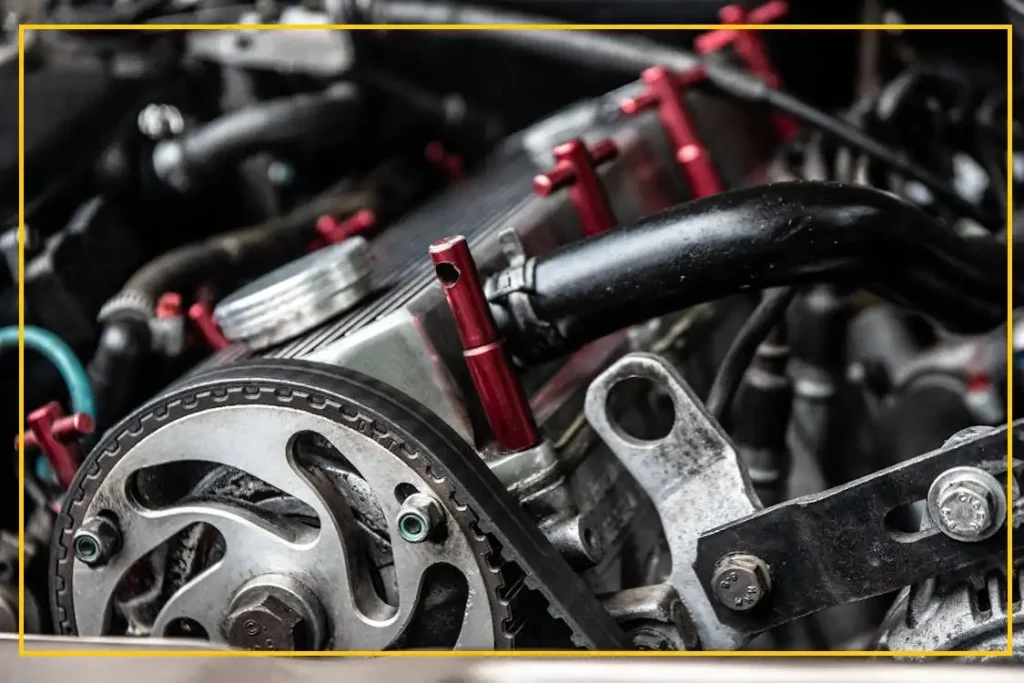
Impact on Fuel Efficiency
| Factor | Description |
| Restoration of Combustion Efficiency | Spark plugs play a vital role in igniting the air-fuel mixture within the combustion chamber. As they degrade, their effectiveness diminishes, leading to incomplete combustion. This inefficiency can reduce fuel economy by up to 30%, as reported by the National Institute for Automotive Service Excellence. |
| Improved Engine Performance | Installing new spark plugs generates a stronger and more reliable spark, which enhances combustion efficiency. This improvement leads to smoother engine operation and better acceleration, ultimately resulting in enhanced gas mileage. |
| Reduced Fuel Consumption | Worn-out spark plugs can cause the engine to consume more fuel due to misfires or inefficient combustion. Replacing them can significantly reduce this excess fuel usage, thereby improving miles per gallon (MPG) performance. |
| Lower Emissions | Efficient combustion not only boosts fuel economy but also decreases harmful emissions from the vehicle, benefiting both the environment and adherence to regulatory standards. |
Replacing spark plugs is a straightforward yet effective way to achieve noticeable improve Gas Mileage. By ensuring optimal engine performance and fuel efficiency, regular maintenance—including timely spark plug replacement—is crucial for maintaining vehicle health and reducing fuel expenses.
Latest Update (January 2025)
Recent studies continue to support the benefits of changing spark plugs for improved fuel efficiency, emphasizing that regular maintenance practices can lead to significant long-term savings on fuel costs while also contributing to environmental sustainability.
How to Get Better Gas Mileage on An Older Car
Improving fuel efficiency in older vehicles can be accomplished through a blend of regular upkeep, mindful driving practices, and targeted modifications. Below are some effective strategies to Improve Gas Mileage:
Basic Strategies for Better Gas Mileage
| Strategy | Description | Potential Improvement |
| Regular Maintenance | ||
| Tune-Up Your Engine | Regularly tune your engine by replacing spark plugs, air filters, and oxygen sensors to boost efficiency. Neglected components can reduce mileage by up to 20%. | Up to 20% |
| Oil Changes | Use the correct oil grade and change it regularly to reduce engine friction and Improve Gas Mileage. | 1-2% |
| Tire Maintenance | Maintain proper tire pressure; underinflated tires increase rolling resistance and decrease efficiency. Check monthly. | 3-4% |
| Driving Habits | ||
| Smooth Driving | Practice smooth driving techniques, avoiding rapid acceleration and hard braking to enhance fuel economy. | Up to 30% |
| Limit Air Conditioning Use | Minimize air conditioning use when possible, as it can significantly affect fuel consumption. | Variable |
| Reduce Weight and Drag | Remove unnecessary items from your car and keep windows closed at high speeds to decrease wind resistance. | Variable |
| Modifications | ||
| Install a Cold Air Intake | A cold air intake can improve combustion efficiency by increasing the volume of cool air entering the engine. | 1-2% |
| Use Low-Rolling Resistance Tires | These tires are designed to minimize energy loss while rolling, potentially enhancing fuel efficiency. | Up to 5% |
| Consider an Overdrive Transmission | Installing an overdrive transmission can significantly improve fuel economy for older vehicles on highways. | Variable |
| Additional Tips | ||
| Use Fuel Additives | Certain fuel additives can help your engine run smoother and burn fuel more efficiently, though their impact is limited. | Minimal |
| Synthetic Oil | Switching to synthetic oil reduces friction better than conventional oil, leading to improved efficiency over time. | Variable |
By consistently applying these strategies, you can improve the fuel efficiency of your older vehicle, resulting in savings on gas and extending the life of the car.
Latest Updates (January 2025)
As of January 2025, various advancements in automotive technology continue to emerge, focusing on enhancing fuel efficiency across all vehicle types, including older models.
New products in the market are designed for easier installation of performance upgrades like cold air intakes and low-rolling resistance tires, making it simpler for car owners to implement these changes effectively.
Additionally, ongoing research into alternative fuels and hybrid technologies is reshaping the automotive industry of vehicle maintenance and upgrades for improved mileage.
How to Increase your Gas Mileage by 70 Percent
To enhance your gas mileage significantly—potentially by as much as 70%—you can adopt a blend of effective driving practices and diligent vehicle maintenance. Below are some practical strategies to consider:
Driving Techniques
- Accelerate Gradually: Avoid sudden acceleration, which can waste up to 20% of fuel. Instead, focus on smooth and gradual acceleration to maintain efficiency.
- Maintain Steady Speeds: Utilize cruise control on highways and aim to keep speeds below 55 mph. This helps reduce aerodynamic drag, as higher speeds can greatly increase fuel consumption.
- Plan Your Routes: Strategically plan your driving routes to steer clear of heavy traffic and stop-and-go situations, which can diminish fuel efficiency.
- Reduce Idling: Turn off your engine when parked or waiting for extended periods. Idling consumes fuel without any movement, so it’s best to shut off the engine.
Vehicle Maintenance
- Tire Pressure: Ensure your tires are properly inflated. Under-inflated tires increase rolling resistance, leading to reduced fuel economy.
- Regular Maintenance: Change your air filter regularly and replace spark plugs as needed. A clean air filter enhances airflow to the engine, improving performance and efficiency.
- Alignment and Suspension: Check that your wheels are properly aligned to prevent drag that can negatively impact fuel efficiency.
- Check Oxygen Sensors: Replace any faulty oxygen sensors to maintain optimal combustion efficiency; malfunctioning sensors can reduce mileage by up to 15%.
- Inspect Brakes: Regularly check that your brakes are not dragging, as this can significantly affect fuel economy.
- Replace Thermostat: A malfunctioning thermostat that fails to regulate engine temperature effectively can lead to inefficient fuel use.
By integrating these driving habits with consistent vehicle maintenance, you can maximize your car’s efficiency and potentially achieve a remarkable increase and improve Gas Mileage.
Summary Table of Strategies
| Strategy | Description |
| Gradual Acceleration | Avoid hard acceleration; it wastes fuel. |
| Steady Speeds | Use cruise control; keep speeds below 55 mph to reduce drag. |
| Route Planning | Optimize routes to avoid traffic and stop-and-go conditions. |
| Reduce Idling | Turn off the engine when parked or waiting for long periods. |
| Tire Pressure | Maintain proper tire inflation for better rolling resistance. |
| Regular Maintenance | Change air filters and spark plugs regularly for optimal performance. |
| Wheel Alignment | Ensure correct wheel alignment to minimize drag. |
| Oxygen Sensor Check | Replace faulty sensors for better combustion efficiency. |
| Brake Inspection | Regularly check brakes to prevent dragging issues. |
| Thermostat Replacement | Replace malfunctioning thermostats for efficient fuel use. |
By following these recommendations, you can significantly improve your vehicle’s gas mileage while also contributing to a more sustainable environment through reduced fuel consumption.
How to Improve Gas Mileage mechanically
Improve Gas Mileage mechanically involves enhancing your vehicle’s performance and efficiency through diligent maintenance and strategic modifications. Below are several effective methods to achieve this:
Regular Maintenance
- Oil Changes: Always use the oil type recommended by the manufacturer and change it at regular intervals. Clean oil minimizes friction within the engine, thereby boosting efficiency.
- Air Filter Replacement: A clean air filter improves airflow to the engine, which enhances combustion efficiency. Replace it as needed or when it becomes dirty.
- Fuel System Cleaning: Periodically cleaning the fuel injectors and intake valves helps prevent carbon buildup that can impede performance.
Tire Management
- Proper Inflation: Maintain tire pressure at the recommended levels. Under-inflated tires increase rolling resistance, which can lead to decreased gas mileage.
- Tread Condition: Ensure that tires have sufficient tread depth. Worn tires can negatively impact traction and fuel efficiency.
Engine Optimization
- Spark Plug Replacement: Replace worn or dirty spark plugs according to your vehicle’s maintenance schedule, as they can cause misfires and reduce fuel efficiency.
- Engine Timing: Verify that the engine timing is correctly set. Incorrect timing can lead to poor combustion and lower fuel economy.
Exhaust System
- Catalytic Converter: Ensure that the catalytic converter is functioning properly; a clogged converter can restrict exhaust flow and diminish efficiency.
- Exhaust Leaks: Repair any leaks in the exhaust system, as they can adversely affect engine performance and fuel economy.
Weight Reduction
- Remove Excess Weight: Clear out unnecessary items from your vehicle. Additional weight requires more energy to move, thus reducing fuel efficiency.
- Roof Racks: Take off roof racks or carriers when they are not in use to minimize aerodynamic drag.
Aerodynamics
- Windows Up: Keep windows closed at high speeds to decrease drag.
- Aerodynamic Modifications: Consider installing a front air dam or side skirts if applicable, as these enhancements can improve airflow around the vehicle.
Transmission Maintenance
- Transmission Fluid: Change transmission fluid as per the manufacturer’s recommendations. A well-functioning transmission enhances power transfer and efficiency.
- Gear Ratio Optimization: If applicable, adjust gear ratios for improved fuel economy during highway driving.
Implementing these mechanical improvements can significantly boost your vehicle’s improve Gas Mileage, ultimately leading to cost savings over time. Regular maintenance is crucial for ensuring that all components function efficiently together.
| Strategy | Description |
| Regular Maintenance | Oil changes, air filter replacement, fuel system cleaning |
| Tire Management | Proper inflation and tread condition |
| Engine Optimization | Spark plug replacement and engine timing adjustments |
| Exhaust System | Catalytic converter checks and exhaust leak repairs |
| Weight Reduction | Removing excess weight and roof racks |
| Aerodynamics | Keeping windows up and making aerodynamic modifications |
| Transmission Maintenance | Changing transmission fluid and optimizing gear ratios |
These strategies collectively contribute to enhanced fuel efficiency, making them worthwhile investments for any vehicle owner.
How to Increase Mileage of Automatic Car
To enhance the fuel efficiency of an automatic vehicle, consider the following effective strategies:
Driving Habits
- Smooth Acceleration and Braking: Avoid sudden acceleration and hard braking. Gradual adjustments in speed can significantly improve fuel efficiency.
- Maintain Steady Speed: Utilize cruise control on highways to keep a consistent speed, which can lead to better fuel economy.
- Limit Idling: Turn off the engine if you anticipate being stationary for more than a minute or two.
Vehicle Maintenance
- Regular Oil Changes: Follow the manufacturer’s recommendations for oil type and change intervals to ensure optimal engine performance.
- Air Filter Replacement: A clean air filter enhances engine performance and efficiency. Replace it according to the maintenance schedule.
- Tire Maintenance: Ensure tires are inflated to the recommended pressure. Under-inflated tires increase rolling resistance, negatively affecting mileage.
Weight Management
- Reduce Excess Weight: Clear out unnecessary items from the trunk and avoid carrying heavy loads, as excess weight can decrease fuel efficiency.
- Aerodynamic Improvements: Remove roof racks or carriers when not in use to minimize drag.
Fuel Quality
- Use Quality Fuel: Opt for high-quality fuel that meets your vehicle’s specifications. Some fuels are specifically formulated to improve Gas Mileage.
- Avoid Ethanol Blends: Whenever possible, choose fuels with lower ethanol content, as higher ethanol blends can diminish fuel economy.
Driving Conditions
- Plan Routes Wisely: Select routes that avoid congestion and aim to travel during off-peak hours to reduce stop-and-go traffic.
- Combine Short Trips: Group errands into a single trip to minimize cold starts, which tend to consume more fuel.
By incorporating these strategies, you can effectively enhance the mileage of your automatic car.
| Strategy Category | Specific Actions |
| Driving Habits | Smooth acceleration, maintain steady speed, limit idling |
| Vehicle Maintenance | Regular oil changes, air filter replacement, tire maintenance |
| Weight Management | Reduce excess weight, improve aerodynamics |
| Fuel Quality | Use quality fuel, avoid high ethanol blends |
| Driving Conditions | Plan routes wisely, combine short trips |
These practices not only contribute to better mileage but also promote overall vehicle health.
Finally
By embracing the DeckersAuto assistance tips, you’re not only saving money at the pump but also contributing to a more sustainable future. Remember, small changes can have a significant impact over time, and every mile counts towards a greener tomorrow.
Imagine the freedom of driving without the constant worry of refueling, the joy of gliding effortlessly down the highway, and the satisfaction of knowing that you’re doing your part for the environment. With DeckersAuto by your side, you can unlock the true potential of your vehicle and embark on a journey of fuel efficiency and driving pleasure.
More Automotive Update Visit Deckers Auto


