

Maintaining your vehicle’s Transmission Fluid is crucial for its longevity and performance. One of the most important aspects of transmission maintenance is regularly checking and maintaining the proper fluid level. The Deckersauto shares the information about the process of checking your transmission fluid, explains why it’s essential, and provides valuable tips to keep your vehicle running smoothly.
Recent Released: What is The Most Common Cause of Automatic Transmission Failure?
How to Understand the Importance of Transmission Fluid
Before diving into the specifics of checking your transmission fluid, it’s crucial to understand why this task is so important. Transmission fluid plays a vital role in your vehicle’s operation. It lubricates the moving parts within your transmission, helps to cool the system, and transmits power from the engine to the wheels. Without proper fluid levels or quality, your transmission can suffer severe damage, leading to costly repairs or even complete failure.
Steps to Check Your Transmission Fluid
Now that we understand the importance of transmission fluid, let’s explore the step-by-step process of checking it in your vehicle.
1. Warm Up Your Engine
To begin, start your car and let it idle in Park or Neutral for a few minutes. This step is crucial because it warms up the transmission fluid, providing a more accurate reading. As the fluid heats up, it expands, giving you a true representation of its level during normal operating conditions.
Read: 7 Signs of Bad Transmission You Should Know
2. Locate the Transmission Dipstick
Once your engine is warmed up, it’s time to find the transmission dipstick. In most vehicles, this is located toward the back of the engine bay. However, the exact location can vary depending on your car’s make and model. To help you identify it, manufacturers often color-code the dipstick handle or mark it with a distinct symbol. This distinguishes it from the engine oil dipstick, which you don’t want to confuse it with.
3. Check the Fluid Level
After locating the dipstick, carefully pull it out and wipe it clean with a lint-free cloth. This ensures you’ll get an accurate reading. Next, reinsert the dipstick fully into its tube, then pull it out again. Now, check the fluid level against the “Full” and “Low” marks on the dipstick. The fluid should ideally be at or near the “Full” mark.
4. Assess Fluid Condition
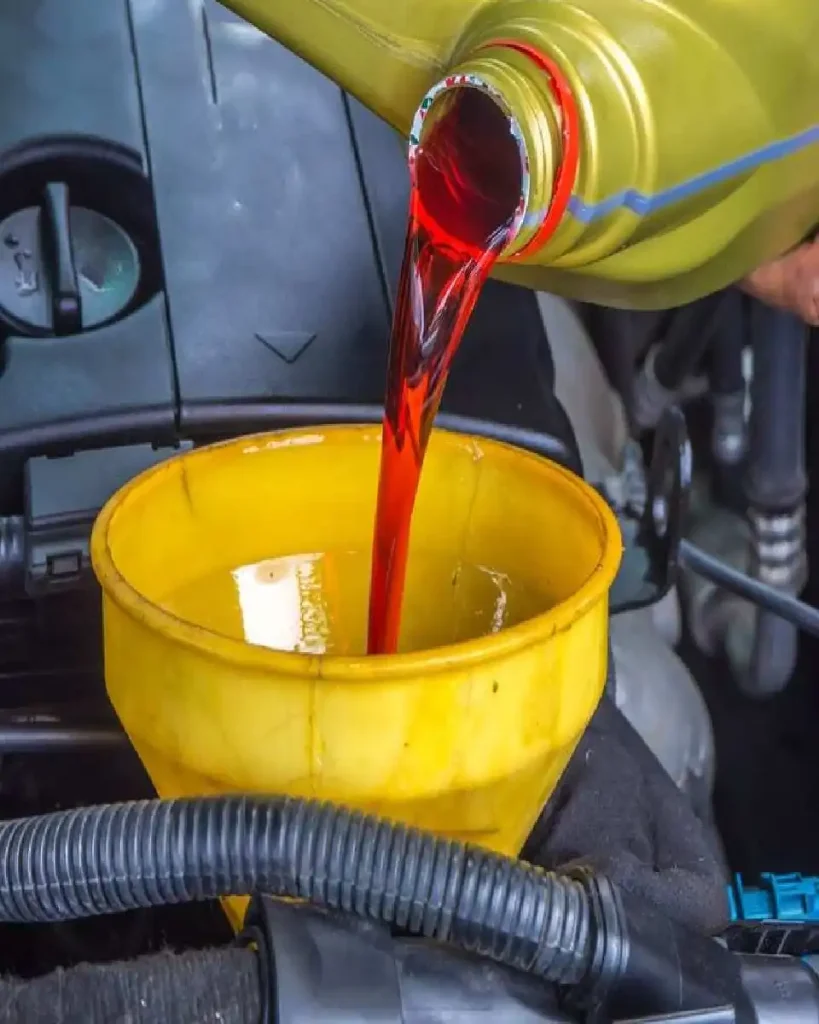
While checking the level is important, assessing the fluid’s condition is equally crucial. Examine the color and texture of the fluid on the dipstick. Healthy transmission fluid should be reddish-pink in color and clear in consistency. If you notice any of the following, it may indicate a problem:
- Dark brown or black color: This suggests the fluid needs replacement.
- Burnt smell: This could indicate potential internal damage to the transmission.
- Metal shavings: The presence of metal particles in the fluid is a serious concern and requires immediate attention from a mechanic.
- Foamy texture: This might suggest that coolant is mixing with the transmission fluid, which is a significant issue.
Read: What Is The Signs of A Bad Transmission [Warning Signs You Need Repair]
5. Add Fluid if Necessary
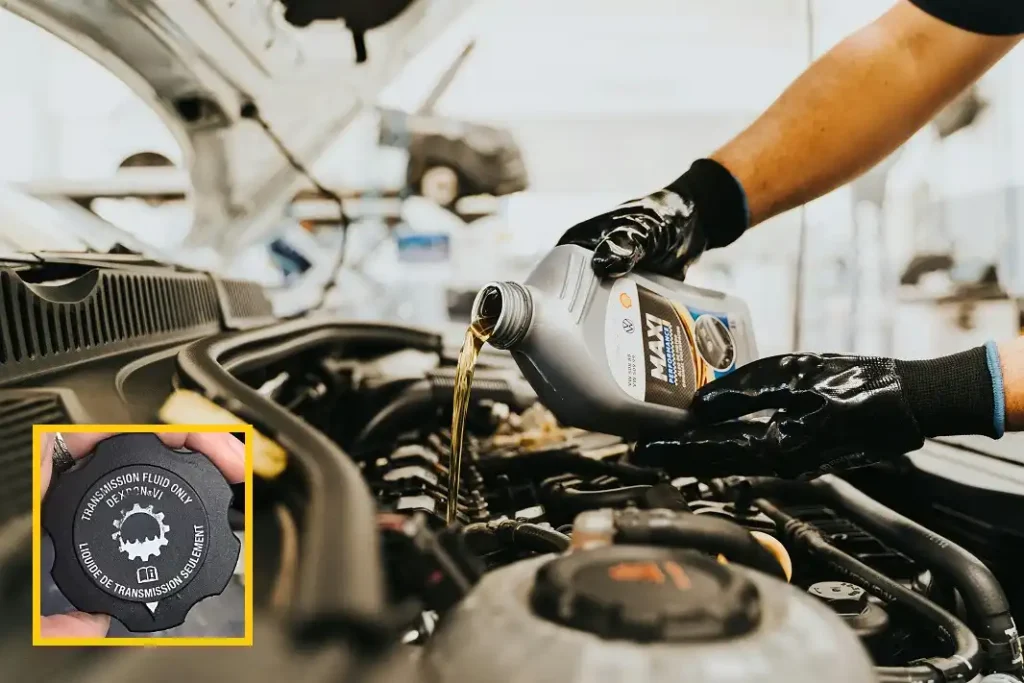
If you find that the fluid level is below the “Full” mark, you’ll need to add more. Use a funnel to carefully add the appropriate type of transmission fluid. Be sure to consult your owner’s manual for the correct fluid specifications, as using the wrong type can cause serious damage. Add the fluid slowly, checking the level frequently to avoid overfilling. Too much fluid can be just as problematic as too little, potentially causing issues within the transmission system.
6. Monitor for Leaks
If you find yourself frequently needing to add transmission fluid, it’s a good idea to inspect your vehicle for leaks. Look for any signs of fluid dripping or pooling under your car, particularly after it’s been parked for a while. If you do notice leaks, it’s best to consult a mechanic to address the issue before it leads to more significant problems.
Additional Tips for Transmission Maintenance
While checking your transmission fluid is a crucial part of vehicle maintenance, there are other factors to consider for optimal transmission health.
Read: Experience the Bugatti Veyron: America’s Top Luxury Hypercar | Deckers Auto
Frequency of Checks
As a general rule, it’s advisable to check your transmission fluid at least once every six months. However, if you frequently drive in harsh conditions or tow heavy loads, you may want to check it more often. Many drivers find it convenient to check their transmission fluid during routine oil changes or other regular maintenance tasks.
Sealed Transmissions
It’s worth noting that many modern vehicles come equipped with sealed transmissions. These systems don’t have dipsticks and require professional service to check and change the fluid. If your vehicle has a sealed transmission, consult your owner’s manual or a trusted mechanic for guidance on maintenance schedules and procedures.
Transmission Fluid Change Intervals
While checking your fluid is important, changing it at the right intervals is equally crucial. The frequency of transmission fluid changes can vary widely depending on your vehicle’s make, model, and usage. Some vehicles may require changes as frequently as every 30,000 miles, while others can go 100,000 miles or more between changes. Always refer to your owner’s manual for the manufacturer’s recommendations.
Read: Why You Should Use Short Shifters for Your Pontiac Vibe and Toyota Matrix in USA
Common Transmission Fluid Issues and Their Symptoms
To help you better understand your transmission’s health, here’s a table outlining common transmission fluid issues and their associated symptoms:
| Issue | Symptoms | Potential Causes | Recommended Action |
| Low Fluid Level | Gear slipping, delayed shifting, unusual noises | Leaks, normal wear | Add fluid, check for leaks |
| Burnt Fluid | Dark color, burnt smell | Overheating, worn internal parts | Change fluid, possible transmission service |
| Contaminated Fluid | Foamy texture, particles in fluid | Coolant leak, worn seals | Immediate professional inspection |
| Old Fluid | Dark color, gritty texture | Normal aging | Change fluid according to schedule |
| Overfilled Transmission | Fluid leaking, erratic shifting | Human error during filling | Drain excess fluid |
The Importance of Professional Maintenance
While checking your transmission fluid is a task many car owners can handle, it’s important to remember that professional maintenance plays a crucial role in your vehicle’s longevity. Regular check-ups by a qualified mechanic can catch potential issues before they become major problems. These professionals have the tools and expertise to perform more in-depth diagnostics and maintenance tasks that go beyond what most DIY enthusiasts can manage at home.
Environmental Considerations
When dealing with transmission fluid, it’s essential to consider environmental responsibility. Used transmission fluid is considered hazardous waste and should never be disposed of in regular trash or poured down drains. Many auto parts stores and service centers offer recycling services for used automotive fluids. By properly disposing of old transmission fluid, you’re not only complying with environmental regulations but also doing your part to protect our ecosystem.
Read: Car Maintenance Schedules Explained – You Should Know
The Future of Transmission Maintenance
As automotive technology continues to advance, the landscape of transmission maintenance is evolving. Electric vehicles (EVs), for instance, don’t use traditional transmission fluid. Instead, they often use specialized lubricants for their single-speed gearboxes. As the automotive industry shifts towards electrification, it’s likely that transmission maintenance procedures will change significantly for many drivers in the coming years.
Read: How To Get A Car Diagnostic Test In USA [Cheap or Free]
Finally
Checking your transmission fluid is a simple yet crucial task that can significantly impact your vehicle’s performance and longevity. By following the steps outlined in this guide and staying vigilant about your car’s maintenance needs, you can help ensure that your transmission—and by extension, your vehicle—continues to operate smoothly for years to come.
Remember, while DIY maintenance is valuable, it’s not a substitute for professional care. Regular check-ups with a qualified mechanic, combined with your own attentive maintenance, create the best recipe for a healthy, long-lasting vehicle.
Read: What is The Car Diagnostic Test Cost In USA?
Whether you’re a seasoned car enthusiast or a new driver, understanding and maintaining your vehicle’s transmission fluid is an essential skill. It empowers you to take an active role in your car’s health, potentially saving you from costly repairs down the road. So, pop that hood, locate that dipstick, and give your transmission the attention it deserves. Your car—and your wallet—will thank you for it.
More Automotive Update Visit Deckers Auto


