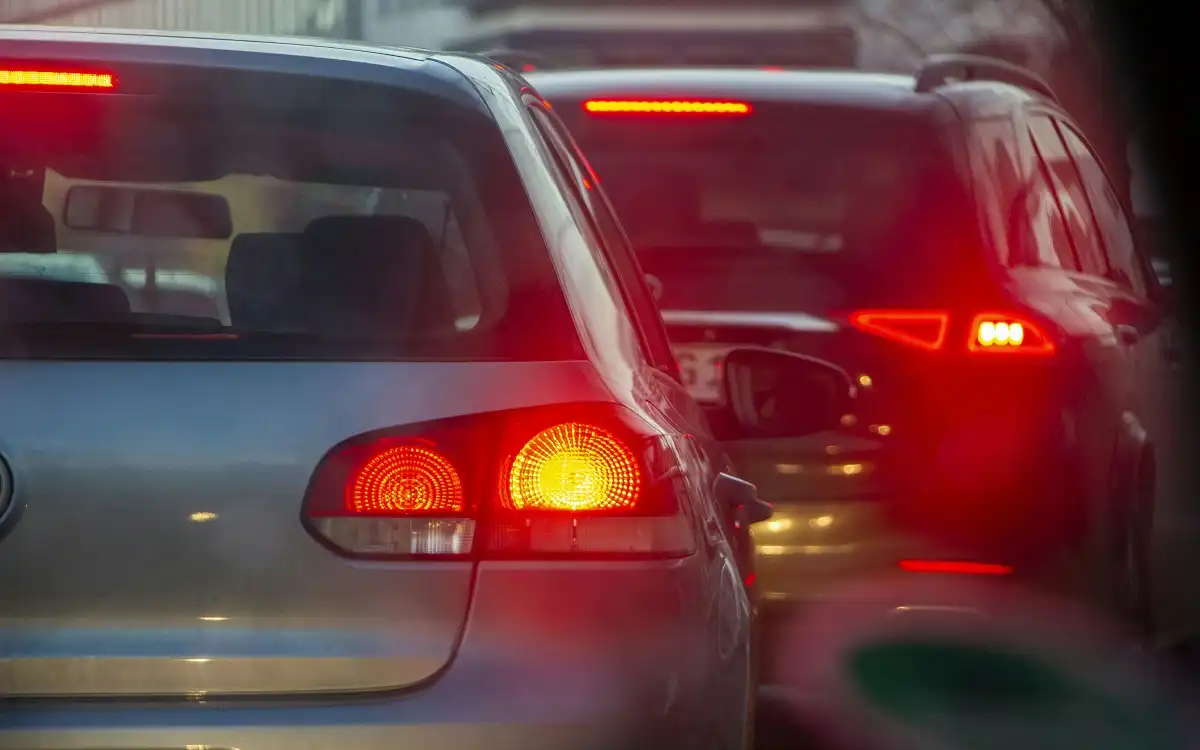
Your car stalls unexpectedly during rush hour, and the battery light on the dashboard confirms your worst suspicion. It’s a scenario many drivers fear. You’re not just stuck in the middle of moving traffic. While this might seem like a rare event, car battery failure can happen without warning.
The stress of being stranded is only one part of the problem. The real danger often begins when your vehicle becomes a sudden obstacle for others on the road.
When a car dies in traffic, other drivers may not have enough time to react. In high-speed situations or tightly packed city streets, this can lead to chain-reaction collisions. Depending on your position on the road, even something as simple as stepping out to check under the hood can be risky.
In this article, we will look at what you can do in such a situation.
Read: How To Check Car Battery Wont Hold A Charge In USA
What to Do Right After the Stall
The first thing to remember is to stay calm. Although a rare event, car batteries can die in the middle of the road. As noted by AAA, a car battery can last around three to five years. However, their lifespan can be shortened in areas with extreme temperatures or in vehicles that are rarely driven.
Panicking won’t help, and the priority should always be your safety and the safety of others around you. If the vehicle is still rolling as it shuts down, try to steer it out of active traffic lanes. If that’s not possible and you’re stuck where you are, activate your hazard lights immediately to alert other drivers.
Calling for roadside assistance should be your next move. Many insurance companies offer this service, and some vehicle manufacturers include it with newer models. While waiting, it’s best to stay inside the car if traffic is moving quickly around you unless you’re in immediate danger. Exiting a stalled vehicle in the middle of the road increases the risk of getting hit.
Read: Does Napa Auto Parts Install Batteries? Napa Auto Parts Battery
When Legal Help Might Be Necessary
Accidents caused by sudden car failure can get complicated. If your vehicle stalls and another driver crashes into it, determining fault isn’t always simple. The legal system takes various factors into account, including whether proper precautions were taken, such as activating hazard lights or calling for help.
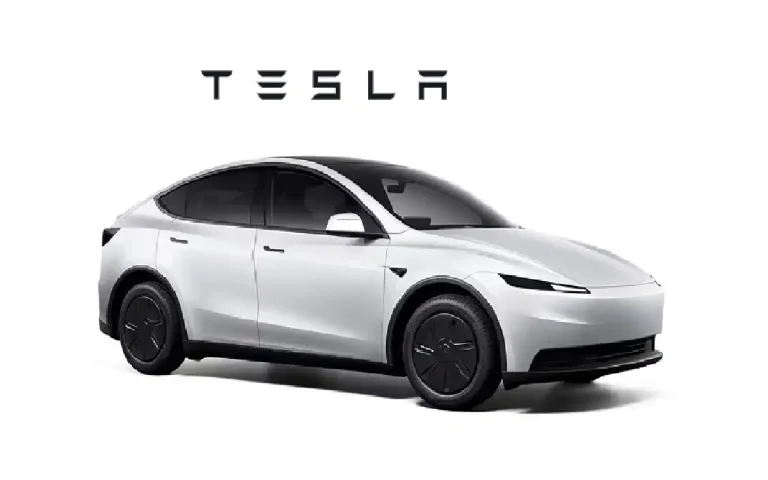
Consider a fatal collision that killed two and injured three people in Midtown Atlanta. According to Atlanta News First, a Tesla ran a red light at the intersection and hit the side of a box truck. The driver and one of the passengers were not breathing at the scene and were later pronounced dead.
Similarly, if you are parked somewhere due to a dead battery and another vehicle runs into your car, you will need legal assistance. A personal injury lawyer in Atlanta, Georgia, can be helpful. Legal help will be required even if your car is in the middle of the road.
According to TorHoerman Law, lawyers can offer guidance on how to approach your case. Whether you were the driver of the stalled vehicle or someone injured due to another car’s failure, attorneys can guide you. They also help ensure that insurance claims are handled fairly and that you’re not left dealing with medical bills or vehicle damage.
Read: How to Jump Start Diesel Car Battery in America
When Conditions Make Things Worse
Timing plays a significant role in determining the severity of a battery failure. If the stall happens during extreme weather, your safety risks increase. In the summer, the heat inside a non-functioning car can rise quickly. In winter, the temperature can drop to unsafe levels in just minutes. Add to that the possibility of poor visibility due to rain, snow, or fog, and the situation becomes even more dangerous.
Weather can also impact how quickly you receive assistance. Tow trucks may take longer to reach you during storms or periods of high volume. In such cases, maintaining your composure and utilizing available resources can help you stay safe until help arrives.
Many regions in the US expect to experience extreme weather conditions regularly. For instance, there was recently an alert for severe weather in March 2025 in Atlanta, Georgia. The government stated that there was no significant damage due to the storm. However, fallen trees, downed power lines, etc., are still very common during such events.
In such a scenario, if you have steered your car near a tree when the battery dies, it can be hazardous. The tree may fall on your vehicle due to extreme weather, which can cause damage.
Read: How to Jump Start Petrol Car Battery in America
How to Lower the Risk of a Battery Stall
The most effective way to avoid getting stuck in traffic due to a battery failure is regular maintenance. It’s easy to overlook the battery when everything is working fine. However, keeping it checked during routine service visits can give you a clearer picture of its condition. Many auto shops offer free battery tests that take just a few minutes and can catch problems early.
If you’ve noticed signs like slower engine starts, flickering dashboard lights, or electrical glitches, it may be time for a replacement. Investing in a reliable battery suitable for your vehicle and driving habits can help prevent unexpected breakdowns. Keeping jumper cables or a portable jump starter in your trunk is another good idea, especially if you drive long distances.
Battery failure risks are a greater concern for electric vehicles (EVs) compared to other cars. Electric vehicles (EVs) run on lithium-ion batteries, which can store more energy. Thus, they burn at higher temperatures than other vehicles. According to The Conversation, gasoline-powered cars burn at 1,500°F (815°C), while their electric counterparts ignite at 5,000°F (2,760°C). Thus, this can pose a significant public safety concern.
Read: How to Jump Start Electric Car Battery in America
Frequently Asked Questions
Can a weak battery cause my car to shut off while driving?
Yes, although it’s not common. Most cars rely on the alternator to power the electrical systems while driving. However, if your battery is severely weak or the alternator is failing, the car may lose power entirely, causing the engine to stall. This can affect power steering, braking, and other electronic systems, making the vehicle more difficult to control.
Is it safe to try to jump-start my car in the middle of the road?
Jump-starting a vehicle in active traffic is risky and generally not recommended unless the area is completely safe and you’re experienced with the process. It’s better to wait for professional roadside assistance or a tow truck, especially on highways or in areas with poor visibility. Your safety should come first.
Will a dead battery always trigger warning lights before it fails?
Not always. While many cars have battery or check engine warning lights, they don’t always give much advance notice. Some batteries fail with little or no warning, especially if they have internal damage. That’s why regular testing is helpful; warning lights aren’t a reliable way to measure battery health.
A dead battery is more than just a technical issue; it has real-world consequences, especially when it happens during traffic. Knowing what to do in those moments, how to stay safe, and when to seek help can make it manageable.
Even with the best preparation, things can go wrong. And if they do, it’s not just about getting your car fixed; it’s about protecting yourself, both physically and legally. Staying informed gives you the power to handle problems confidently, no matter where the road takes you.