

In the glittering world of classic automobiles, few names evoke as much reverence and awe as Bugatti. Among the crown jewels of this legendary marque stands the 1939 Bugatti Type 57C Gangloff Atlante Coupe, a vehicle that embodies the pinnacle of pre-war automotive design and engineering.
The DeckersAuto shares information about the remarkable machine, with a particular focus on chassis number 57775, a car that continues to captivate fans and collectors alike.
Recent Released: New EPA Regulations Impact Oil Cooler Design Standards Starting 2025
Introduction: The Dawn of an Automotive Legend
As the 1930s drew to a close, the automotive world stood on the cusp of transformation. In this era of rapid technological advancement and artistic flourishing, one car emerged as a synthesis of engineering prowess and aesthetic brilliance: the Bugatti Type 57C.
This model, and specifically the Gangloff-bodied Atlante Coupe, represented the culmination of years of innovation and refinement by the Bugatti marque.
The Type 57 series, introduced in 1934, had already established itself as a tour de force in the luxury car market. However, it was the supercharged ‘C’ variant, unveiled in 1936, that truly pushed the boundaries of what was possible in a road-going automobile.
The 1939 model year, in particular, saw the production of some of the most exquisite examples of this series, including the subject of our exploration today – chassis number 57775.
The Genesis of Greatness: Bugatti Type 57 Series

From Drawing Board to Racetrack
The story of the Type 57C begins with Jean Bugatti, the talented son of company founder Ettore Bugatti. Jean’s vision was to create a car that could seamlessly transition from the racetrack to the boulevard, embodying both the performance heritage of Bugatti and the luxury expected by its discerning clientele.
The Type 57 platform proved to be remarkably versatile, serving as the foundation for various body styles and performance levels. From the outset, it was clear that this was no ordinary automobile.
The chassis was engineered to provide a perfect balance between comfort and sportiness, a challenging feat that Bugatti achieved with remarkable success.
Engineering Marvels Under the Hood
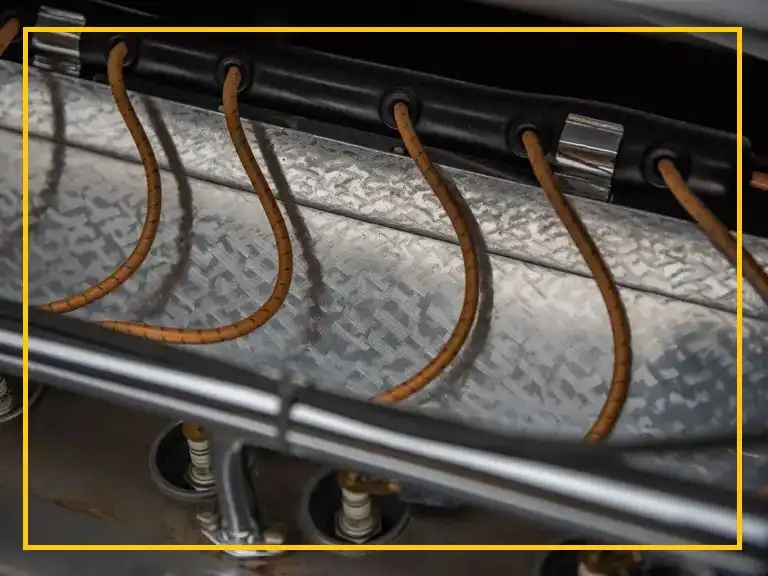
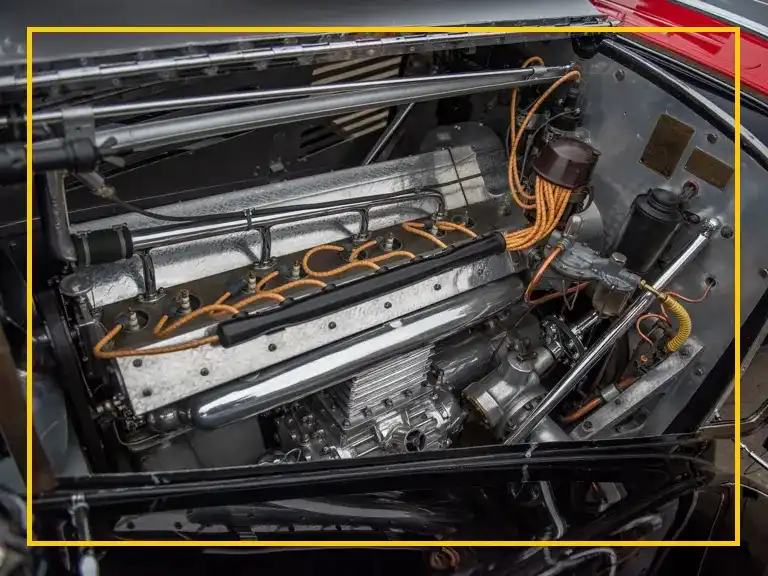
At the heart of the Type 57C lay a masterpiece of engineering: a 3.3-liter straight-eight engine. This powerplant was a work of art in its own right, featuring dual overhead camshafts – a rarity for its time.
The ‘C’ in the model designation stood for “Compresseur,” indicating the presence of a supercharger that boosted both power and prestige.
This forced induction system elevated the engine’s output to around 160 horsepower, a figure that was nothing short of extraordinary for a road car of the late 1930s.
The result was a vehicle that could sprint from 0 to 60 mph in under 10 seconds and reach top speeds approaching 120 mph – performance figures that would remain impressive for decades to come.
The Gangloff Touch: Coachwork Par Excellence
A Marriage of Form and Function
While the mechanical underpinnings of the Type 57C were impressive in their own right, it was the coachwork that truly set this automobile apart. Gangloff, a Swiss coachbuilder of considerable repute, was chosen to craft the bodywork for chassis 57775.
This decision would prove to be inspiring, as Gangloff’s artisans brought a level of craftsmanship and attention to detail that was second to none.
The Atlante Coupe body style, with its flowing lines and perfect proportions, transformed the already impressive Type 57C into a rolling sculpture. Every curve and contour was carefully considered, resulting in a silhouette that was at once elegant and dynamic.
Bespoke Beauty: The Hallmark of Gangloff
One of the most remarkable aspects of Gangloff’s work on the Type 57C was the level of customization available to clients. No two Gangloff-bodied Bugattis were exactly alike, as each car was tailored to the specific tastes and requirements of its owner.
This bespoke approach ensured that every vehicle leaving the Gangloff workshop was a unique masterpiece.
In the case of chassis 57775, the attention to detail is evident in every aspect of its design. From the sculpted radiator grille to the perfectly proportioned greenhouse, every element speaks to the car’s exclusivity and the skill of its creators.
Chassis 57775: A Closer Look
A Time Capsule of Pre-War Luxury
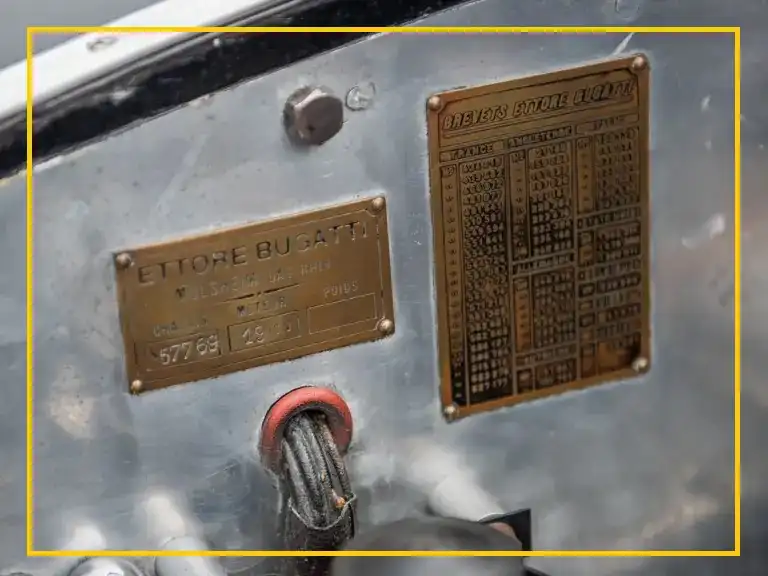
Completed in June 1939, chassis number 57775 represents one of the last Type 57Cs produced before the outbreak of World War II. This timing imbues the car with a poignant significance, as it stands as a final flourish of pre-war automotive excellence.
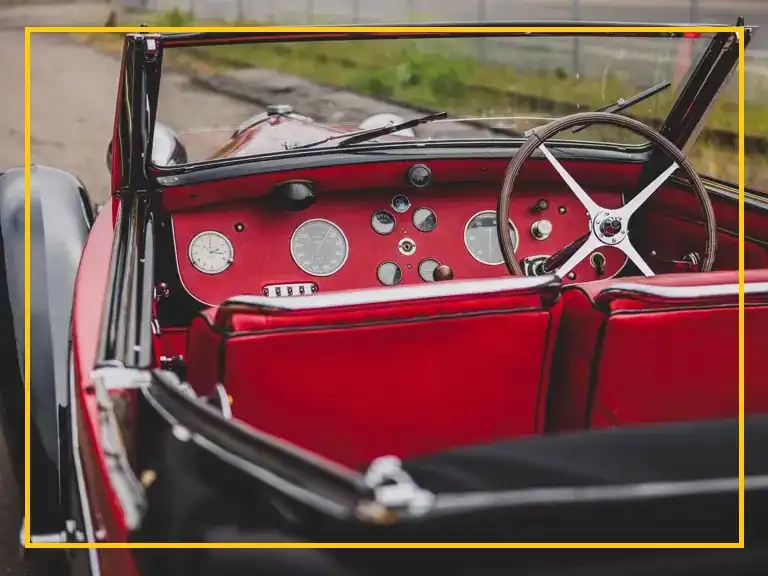
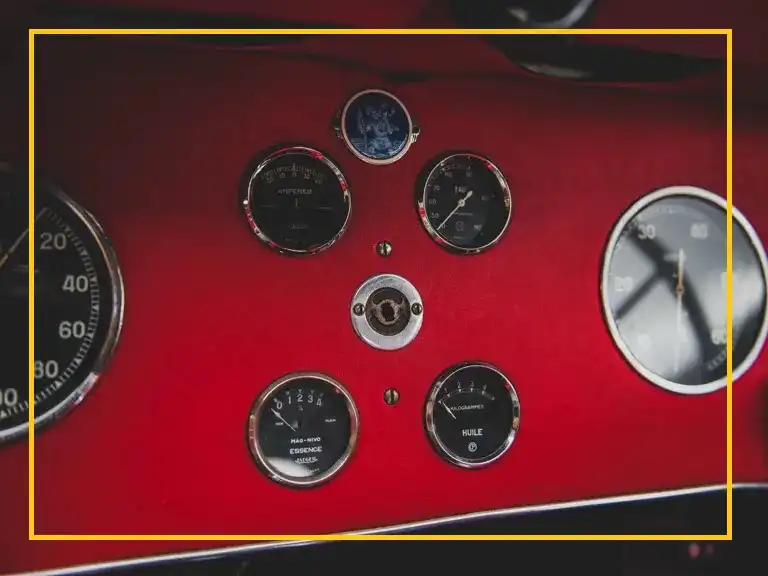
The interior of 57775 is a testament to the luxury expected by Bugatti’s clientele. Rich leather upholstery, meticulously crafted wood trim, and gleaming chrome accents create an ambiance of opulence that was unrivaled in its day.
Every switch, gauge, and control was designed not just for function, but as an object of beauty in its own right.
Technical Specifications and Performance
To truly appreciate the 1939 Bugatti Type 57C Gangloff Atlante Coupe, one must delve into its technical specifications. Here’s a detailed table showcasing the basic attributes of this remarkable automobile:
| Specification | Detail |
| Engine Type | 3.3-liter straight-eight with supercharger |
| Valve Train | Dual overhead camshafts |
| Power Output | Approximately 160 hp |
| Transmission | 4-speed manual |
| Body Style | Atlante Coupe by Gangloff |
| Chassis | Pressed steel frame |
| Front Suspension | Independent, with wishbones and coil springs |
| Rear Suspension | Live axle with semi-elliptic leaf springs |
| Brakes | Hydraulic drums on all four wheels |
| Top Speed | Approximately 120 mph (193 km/h) |
| 0-60 mph Time | Under 10 seconds |
| Weight | Approximately 1,800 kg (3,968 lbs) |
| Wheelbase | 3,302 mm (130 in) |
These specifications underscore the advanced nature of the Type 57C, particularly when compared to its contemporaries. The combination of a powerful supercharged engine, sophisticated suspension, and relatively lightweight for a luxury car of its era resulted in truly exceptional performance.
The Legacy of a Legend

Influence on Automotive Design
The impact of the Bugatti Type 57C, and specifically models like chassis 57775, extends far beyond their immediate era.
The car’s design language, with its emphasis on flowing lines and aerodynamic efficiency, would influence automotive styling for decades to come.
Moreover, the engineering solutions employed in the Type 57C – such as the use of a supercharger and independent front suspension – would become more widely adopted in the post-war period, cementing Bugatti’s reputation as an innovator in the automotive field.
A Collector’s Holy Grail
In the world of classic car collecting, few vehicles hold the allure of a Bugatti Type 57 sc Atlantic. The rarity of these cars, combined with their historical significance and sheer beauty, has made them some of the most sought-after automobiles in existence.
Chassis 57775, with its impeccable provenance and exquisite Gangloff coachwork, stands at the pinnacle of desirability.
When examples of the Type 57C come to auction, they frequently command prices in the millions of dollars, a testament to their enduring appeal and importance in automotive history.
Preservation and Restoration
The preservation of cars like chassis 57775 is of paramount importance to automotive historians and fans alike.
These vehicles serve as tangible links to a golden age of motoring, and their conservation ensures that future generations can appreciate the artistry and engineering prowess of their creators.
Restoration of such vehicles is a delicate balance between maintaining originality and ensuring drivability. The most respected restorations strive to return the car to its factory-fresh condition, often requiring thousands of hours of painstaking work by skilled craftsmen.
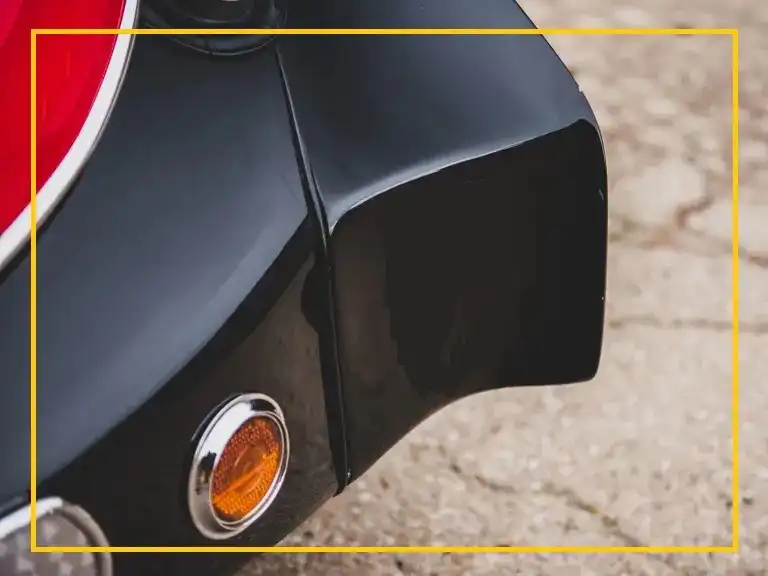
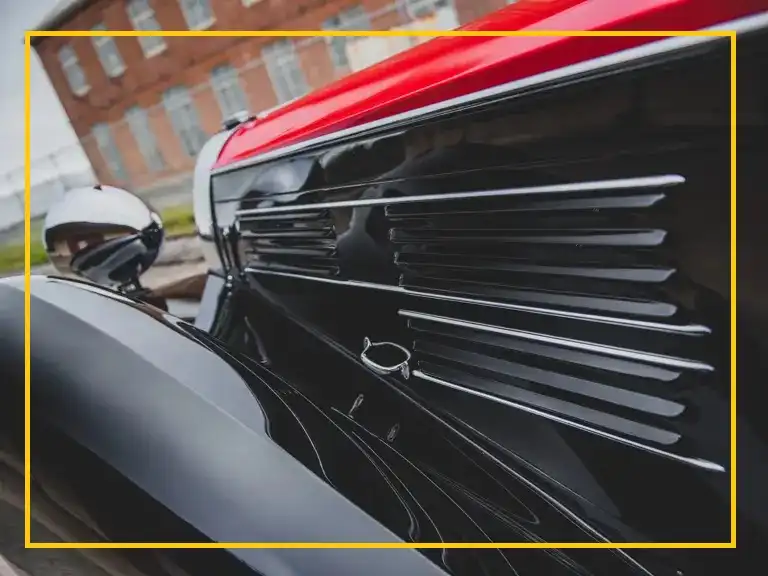
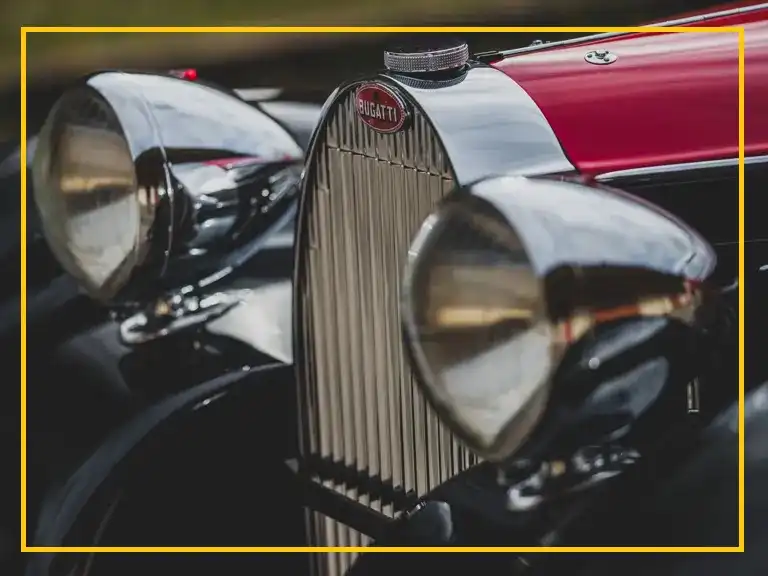
1939 Bugatti Type 57C Gangloff Atlante Gallery





















The Bugatti Legacy Continues
From Past to Present
While the Type 57C represents a high water mark in Bugatti’s pre-war history, the company’s commitment to excellence and innovation has continued into the modern era.
Today’s Bugatti hypercars, such as the Chiron and Bolide, carry forward the tradition of uncompromising performance and luxury established by their illustrious forebears.
In many ways, the spirit of the Type 57C lives on in these modern marvels. The attention to detail, the pursuit of ultimate performance, and the exclusivity that defined cars like chassis 57775 remain hallmarks of the Bugatti brand to this day.
Inspiration for a New Generation
The 1939 Bugatti Type 57C Gangloff Atlante Coupe continues to inspire automotive designers and engineers. Its perfect balance of form and function serves as a reminder that true innovation is timeless.
As the automotive industry faces new challenges and opportunities in the age of electrification and autonomous driving, the lessons learned from classics like the Type 57C remain relevant.
A Timeless Masterpiece
In the industry of great automobiles, the 1939 Bugatti Type 57C Gangloff Atlante Coupe, represented by Chassis No 57775, occupies a place of singular distinction. It is a car that transcends its role as a mere mode of transportation, ascending to the realm of functional art.




This remarkable vehicle embodies the very best of its era: the engineering brilliance of Bugatti, the artistic vision of Gangloff, and the craftsmanship of skilled artisans.
It stands as a testament to what can be achieved when visionary design meets uncompromising execution.
As we look back on the bugatti type 57 sc atlantic from our vantage point in the 21st century, we are reminded of the enduring power of great design and engineering.
In a world of constant change and technological advancement, the timeless beauty and performance of this Bugatti continue to captivate and inspire.
The 1939 Bugatti Type 57C Gangloff Atlante Coupe is more than just a car; it is a rolling history lesson, a work of art, and a benchmark against which all luxury performance vehicles can be measured. It reminds us that true classics never fade – they only grow more precious with time.
More Automotive Update Visit Deckers Auto