
As we move toward a more sustainable future, industries are increasingly facing stricter regulations aimed at reducing environmental impact. One significant change on the horizon is the new regulations from the Environmental Protection Agency (EPA) that will take effect on January 1, 2025. These regulations will have profound implications for oil cooler design standards, particularly in the HVAC sector.
These changes, their impact on costs and design, and the broader environmental benefits they promise.
Recent Released: Will Brogan Doodlebug A 1950s Motor Scooter Electric Model
Introduction
The HVAC industry has long contributed to greenhouse gas emissions, primarily due to the use of high Global Warming Potential (GWP) refrigerants. In response to growing environmental concerns, the EPA is mandating a transition to low-GWP refrigerants in new air conditioning and heat pump systems.
DeckersAuto shares this information about the specifics of these regulations, the necessary design changes for oil coolers, and the anticipated costs associated with compliance. Additionally, we will compare these regulations with international standards and highlight the environmental benefits of adopting new oil cooler designs.
Overview of New EPA Regulations
Starting in 2025, the EPA’s regulations will enforce a maximum allowable GWP of 750 for refrigerants used in new HVAC systems. This marks a significant reduction from the current average GWP of around 2000 for commonly used refrigerants like R-410A, which will be phased out due to its high GWP.
Basic Changes Include:
- Transition to Low-GWP Refrigerants: New systems must utilize refrigerants such as R-32 or R-454B.
- Impact on Existing Systems: Homeowners and businesses may need to retrofit or replace older systems that do not comply.
- Increased Costs: The transition is expected to raise HVAC system prices by approximately 30%, affecting manufacturing and service costs.
Implications for Oil Cooler Design
The shift toward low-GWP refrigerants necessitates specific design changes in oil coolers. These modifications aim to ensure compatibility with new refrigerants while enhancing efficiency and sustainability.
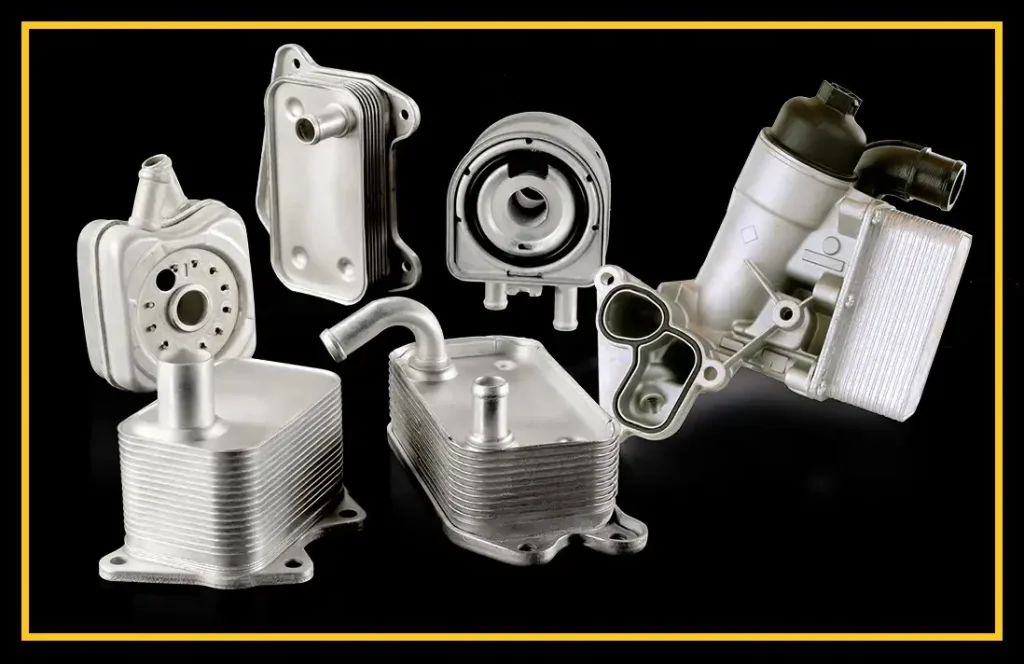
Specific Design Changes Required:
- Use of Low-GWP Refrigerants: Oil coolers must be designed to accommodate refrigerants with a GWP of 750 or lower.
- Enhanced Efficiency Standards: Designs should maximize heat transfer efficiency while using low-GWP refrigerants.
- Material Considerations: New materials or coatings might be required to prevent corrosion when using alternative refrigerants.
- Compliance with Environmental Regulations: Incorporation of best available technologies (BAT) is essential.
- System Integration and Modularity: Designs should allow for easier upgrades as regulations evolve.
- Testing and Certification Adjustments: Manufacturers need to adapt their testing protocols to ensure compliance with new standards.
Table: Comparison of Traditional vs. New Oil Cooler Design Standards
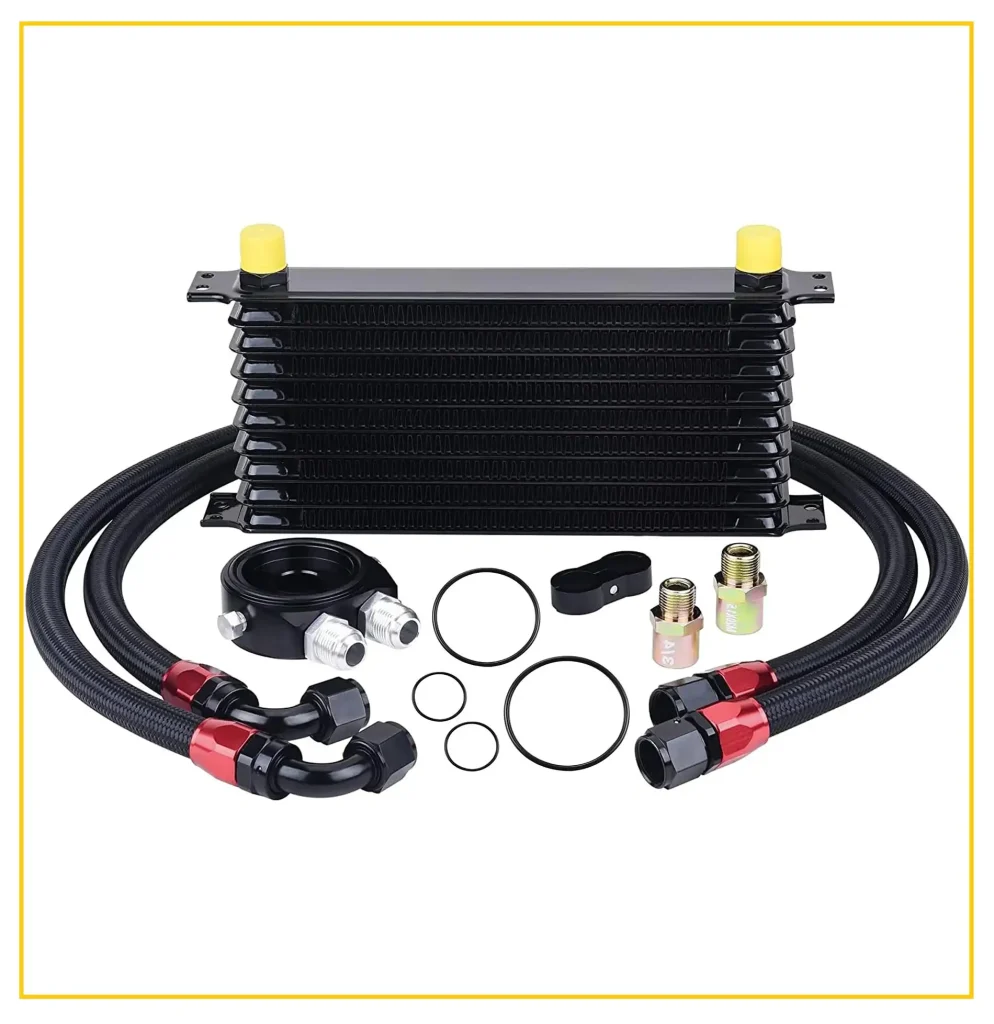
| Feature | Traditional Design | New Design Standards |
| Refrigerant Type | High-GWP (e.g., R-410A) | Low-GWP (e.g., R-32) |
| Efficiency | Standard | Enhanced |
| Material Compatibility | Standard materials | Corrosion-resistant materials |
| Environmental Compliance | Minimal | Strict compliance |
| Modular Design | Limited flexibility | Modular components |
Cost Implications of New Regulations
The new EPA regulations are expected to significantly impact the cost of oil cooler systems and related HVAC technologies.
Basic Points Regarding Cost Implications:
- Estimated Cost Rise: Homeowners can expect a 30% increase in costs associated with replacing and repairing HVAC systems due to mandated refrigerant changes.
- Manufacturing Adjustments: Manufacturers face logistical challenges adapting inventories to meet new standards, including training technicians on new refrigerants.
- Technological Upgrades: Significant upgrades in technology are required, including installing refrigerant leak detection systems.
Comparison with International Standards
While the EPA’s regulations align with global efforts to combat climate change, there are notable differences compared to international standards.
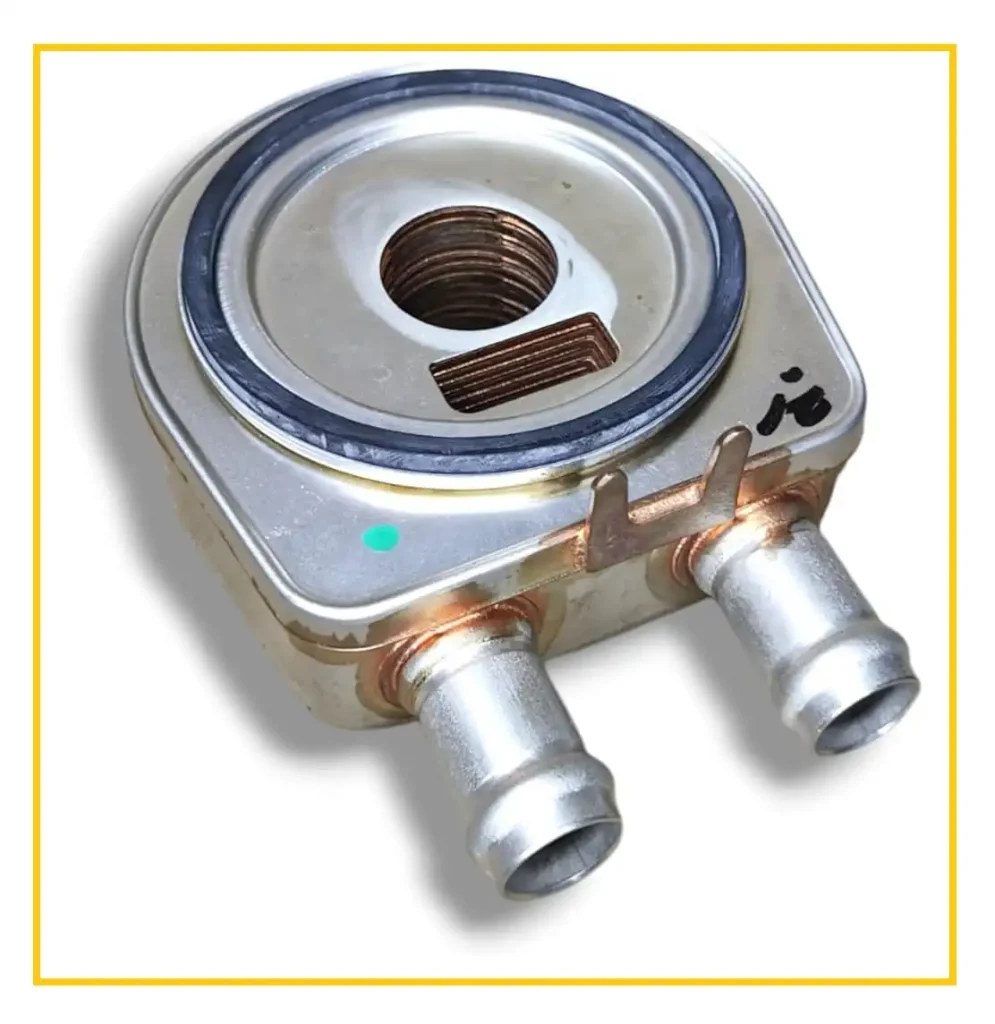
Comparison Overview:
- EPA Regulations:
- Focus on GWP reduction with specific limits.
- Introduces training requirements for technicians.
- International Standards:
- The EU’s F-Gas Regulation aims for a more aggressive phase-down timeline.
- ISO standards encourage best practices without strict numerical limits.
Table: Basic Differences Between EPA and International Standards
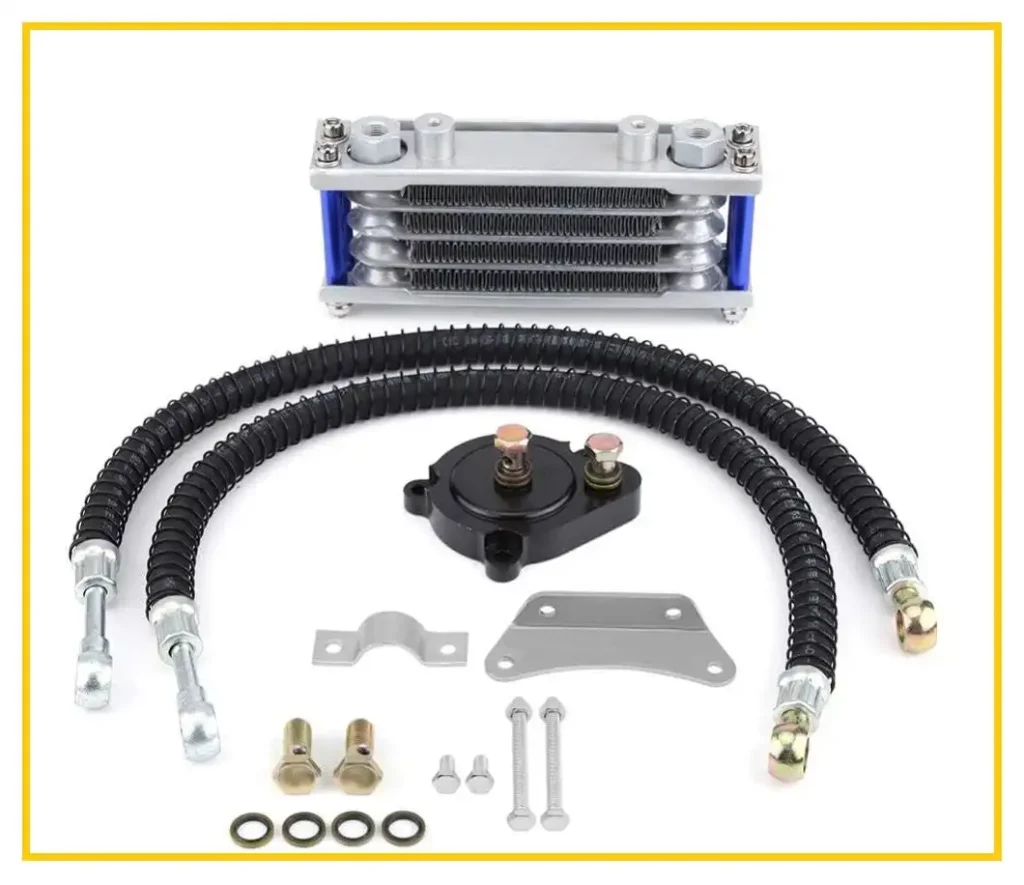
| Aspect | EPA Regulations | International Standards |
| Focus | GWP reduction | Best practices |
| Implementation Timeline | Gradual adaptation | Immediate impact |
| Training Requirements | Specific technician training | Varies by local regulations |
Environmental Benefits of New Oil Cooler Design Standards
The implementation of these new oil cooler design standards promises several significant environmental benefits.
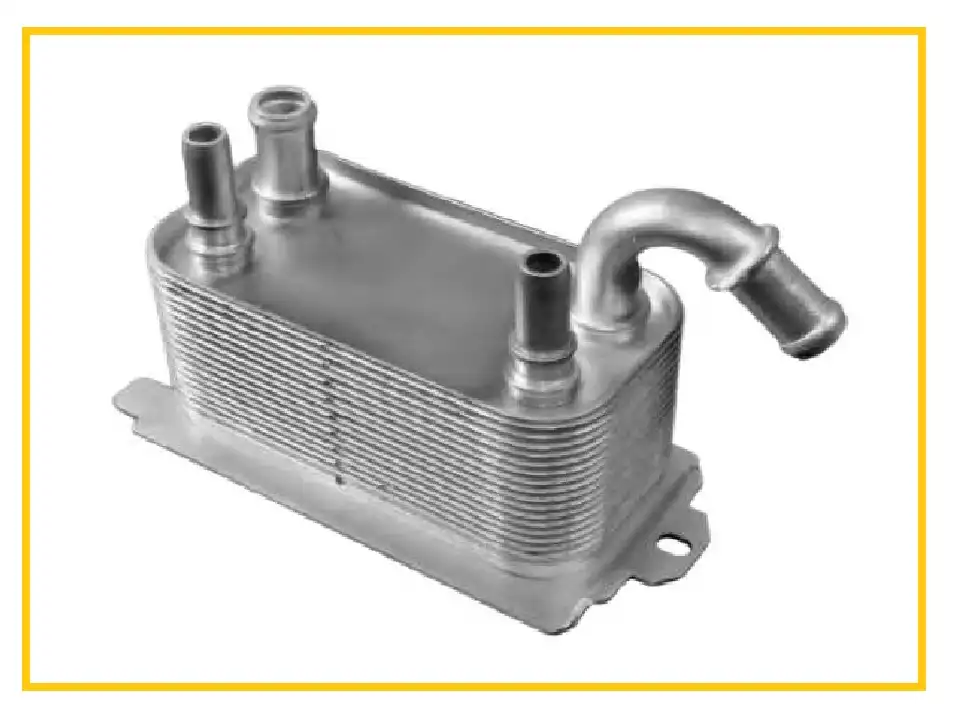
Environmental Benefits Include:
- Reduction in Greenhouse Gas Emissions: Transitioning to low-GWP refrigerants will significantly lower emissions associated with cooling systems.
- Improved Energy Efficiency: New designs are expected to enhance energy efficiency by simplifying cooling processes.
- Conservation of Water Resources: Reducing reliance on water for cooling purposes helps conserve this vital resource.
- Extended Equipment Lifespan: Effective cooling maintains optimal operating temperatures, extending the lifespan of hydraulic and lubricating systems.
- Lower Maintenance Requirements: Improved filtration solutions reduce maintenance frequency, cutting operational costs and environmental impact.
- Enhanced Performance in Diverse Environments: New standards allow better performance in various operational settings, reducing energy use further.
US Manufacturers Report Record Growth in Oil Cooler Production for EV Applications
US manufacturers are witnessing unprecedented growth in producing oil coolers tailored for electric vehicle (EV) applications. Its surge is largely fueled by the escalating demand for efficient thermal management solutions within the EV sector.
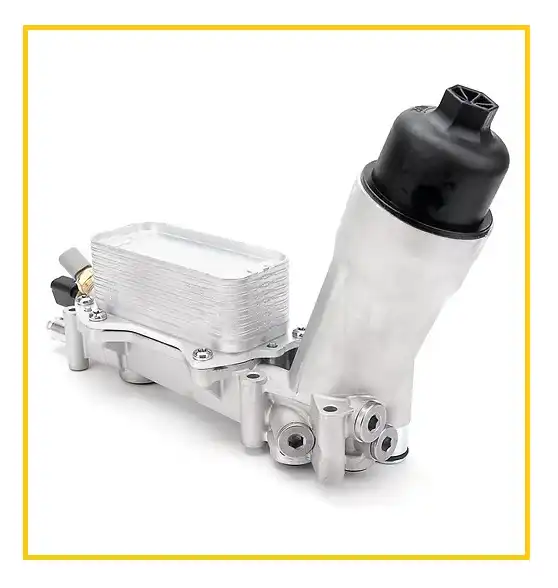
As the automotive industry shifts towards electrification, the need for robust cooling systems has become essential for optimizing vehicle performance and extending the lifespan of components.
Basic Drivers of Growth
| Driver | Description |
| Increased EV Adoption | The growing popularity of electric vehicles creates a need for advanced cooling systems to effectively manage the heat produced by batteries and electric motors. Manufacturers are innovating and expanding their offerings to include specialized oil coolers for EVs. |
| Technological Advances | Recent innovations in cooling technologies, such as enhanced heat exchangers and new coolant formulations, have improved the efficiency and reliability of oil coolers. These advancements are vital for overcoming the thermal challenges associated with high-performance electric vehicles. |
| Partnerships and Collaborations | Leading automotive companies, including Dana Incorporated and Modine Manufacturing Company, are collaborating with thermal component manufacturers to create state-of-the-art cooling solutions. This cooperative approach is anticipated to speed up the development and implementation of oil coolers designed for electric vehicles. |
Market Dynamics
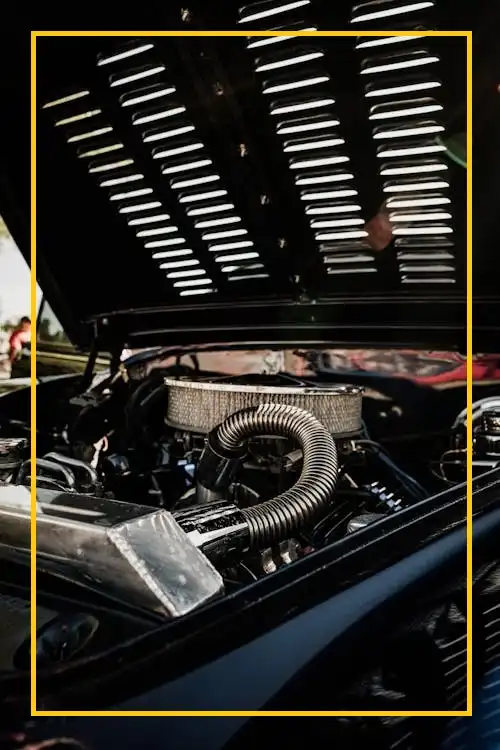
| Dynamic | Description |
| Product Diversity | Manufacturers are providing a variety of oil cooler designs, such as engine-mounted, remote-mounted, filter-mounted, and radiator in-tank styles. This diversity allows for customization based on specific vehicle requirements and performance specifications. |
| Focus on Efficiency | The drive for more fuel-efficient engines has led to a greater integration of oil coolers in both light-duty and heavy-duty vehicles. As engines become increasingly efficient, the necessity for effective cooling systems intensifies. |
| Future Outlook | The market for oil coolers in EV applications is expected to experience substantial growth as manufacturers continue to innovate and respond to the changing landscape of electric mobility. With government incentives supporting sustainable transportation, the demand for high-capacity thermal management systems is likely to increase. |
US manufacturers are on the brink of record growth in oil cooler production for electric vehicles, spurred by the rising adoption of EVs, technological advancements in cooling systems, and strategic industry partnerships.
This trend reflects a significant shift towards electrification in the automotive sector, highlighting the importance of efficient thermal management solutions.
Northeast Transportation Sector Reports Increased Oil Cooler Maintenance Due to Weather
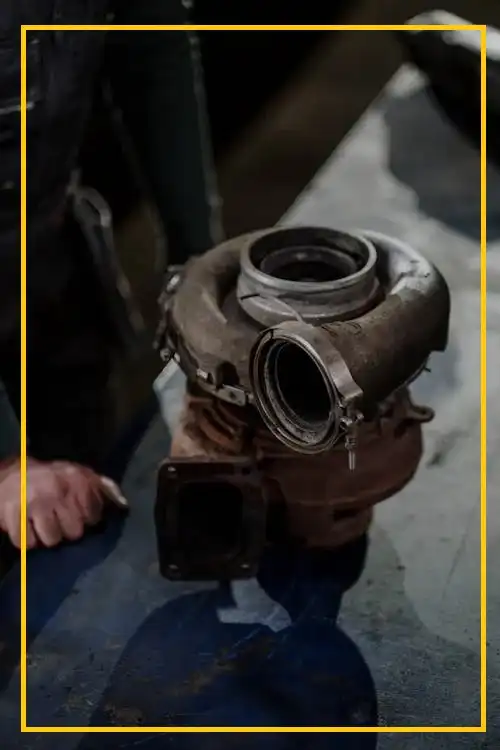
Recent reports reveal that the transportation sector in the Northeast is experiencing a surge in oil cooler maintenance due to the onset of colder weather. This increase is primarily attributed to the adverse effects of winter temperatures on both vehicle performance and the region’s infrastructure.
Increased Maintenance Needs
| Factors | Impact |
| Cold Weather Effects | Lower temperatures can cause oil to thicken, leading to poor lubrication and accelerated wear on engine parts. Regular oil changes and checks are advised to prevent freezing, especially since engines tend to consume oil more quickly in cold conditions. |
| Infrastructure Vulnerability | The Northeast’s transportation infrastructure is increasingly strained by severe weather events. Heavy precipitation and freezing temperatures can damage roads and pipelines, requiring more frequent repairs. The cycles of freezing and thawing can jeopardize the structural integrity of transportation lines, raising the risk of failures. |
| Operational Adjustments | Transportation managers are modifying their strategies to address these weather-related challenges. This includes improved monitoring of road conditions and the adoption of real-time operations to enhance safety and efficiency during the winter months. |
Northeast Transportation Sector Faces Increased Oil Cooler Maintenance Amid Cold Weather
The combination of dropping temperatures and heightened precipitation levels in the Northeast is driving a notable increase in oil cooler maintenance within the transportation sector. This trend not only impacts vehicle functionality but also places additional strain on infrastructure upkeep, underscoring the necessity for proactive strategies in response to evolving weather conditions.
Midwest Auto Parts Hub Sees Surge in Oil Cooler Demand Amid Winter Season
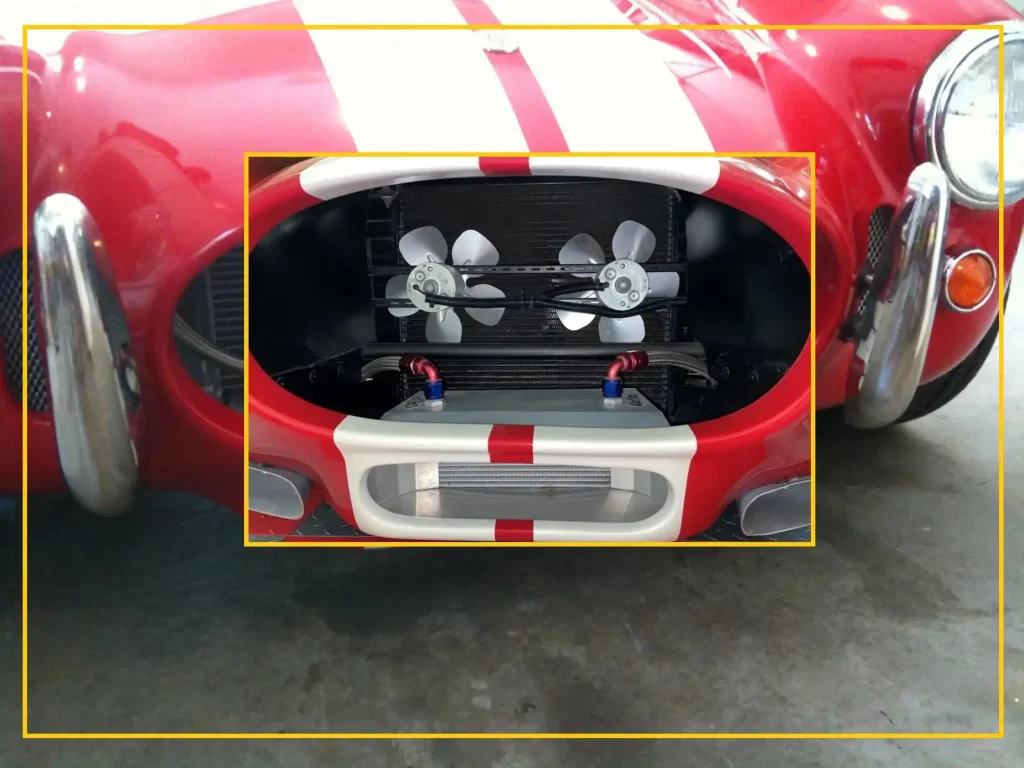
The Midwest auto parts hub is currently experiencing a notable rise in the demand for oil coolers as winter approaches. This increase is primarily driven by the necessity for improved vehicle performance in cold weather, where effective engine cooling solutions are essential to prevent overheating and maintain operational efficiency.
Market Trends
The global automotive engine oil cooler market is anticipated to expand significantly, propelled by factors such as a surge in vehicle production and heightened awareness regarding engine efficiency. The automatic segment of oil coolers shows particular promise for growth, especially within the passenger car sector.
Impact of Winter Conditions
As winter conditions worsen, the demand for automotive components that enhance vehicle reliability and performance in cold weather is expected to escalate. Oil coolers are vital in regulating engine temperatures during severe weather, ensuring optimal functioning.
Supply Chain Considerations
The automotive supply chain continues to face challenges, including delays and disruptions at ports, which could impact the availability of oil coolers and other critical components. Manufacturers are proactively adapting by exploring alternative logistics strategies to meet the increasing demand.
Summary Table of Basic Insights
| Aspect | Details |
| Current Demand | Significant increase in oil cooler demand due to winter conditions. |
| Market Growth | Global automotive engine oil cooler market projected to grow due to rising vehicle production. |
| Winter Impact | Increased need for automotive parts that ensure reliable performance in cold weather. |
| Supply Chain Issues | Ongoing disruptions may affect availability; manufacturers are seeking alternative logistics. |
The Midwest auto parts hub is witnessing a surge in oil cooler demand driven by winter conditions and favorable market trends that emphasize enhanced vehicle performance.
Supply Chain Analysis: US Oil Cooler Industry Adapts to New Material Costs
The US oil cooler industry is currently undergoing significant transformations driven by escalating material costs and shifting market demands.
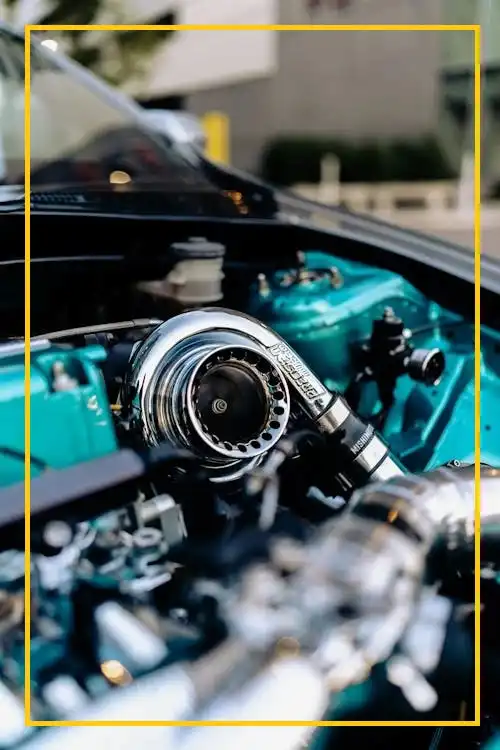
This sector is vital for a range of applications, including automotive, construction, and industrial machinery, where effective cooling systems are essential for maintaining optimal performance.
Market Dynamics
Growth Projections
The hydraulic oil coolers market is anticipated to grow at a compound annual growth rate (CAGR) of 5.9%, potentially reaching around $2.7 billion by 2032. This growth is largely fueled by substantial investments and project expansions in the construction, automotive, and agricultural sectors.
Impact of Material Costs
Recent trends show that fluctuations in material costs are significantly affecting production strategies within the industry. Manufacturers are increasingly compelled to explore alternative materials or optimize existing processes to sustain profitability while ensuring product quality.
The rising costs of metals and other raw materials pose considerable challenges, prompting companies to reevaluate their supply chains and sourcing strategies.
Supply Chain Adaptations
Challenges Faced
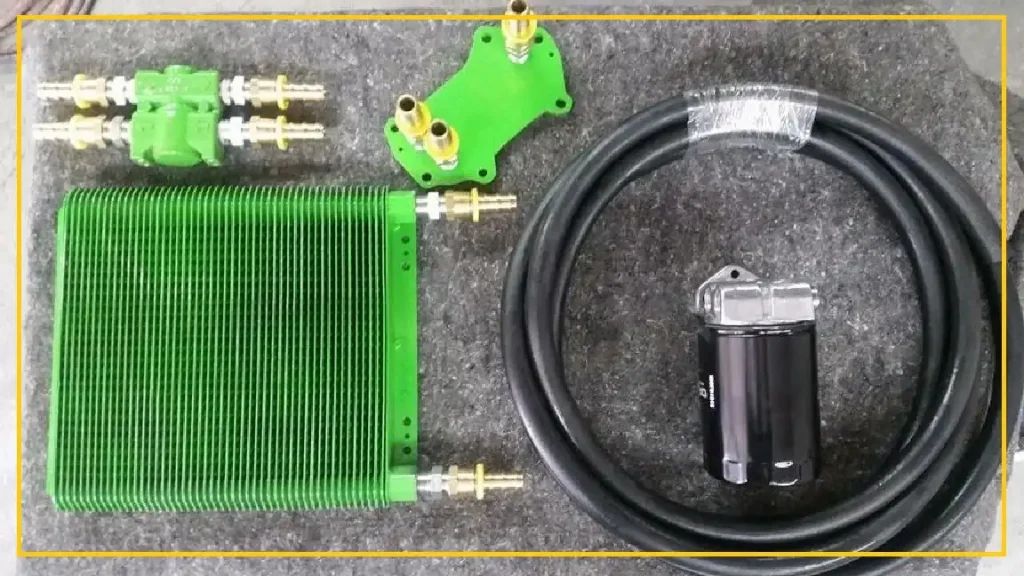
The oil cooler supply chain has proven vulnerable to disruptions, especially during peak demand periods or when dependent on single-source suppliers. For example, New Standard Corporation reported delays experienced by a customer due to a concentrated supply chain structure. To address these risks, they diversified their supply chain and expanded production capabilities by establishing a new high-capacity facility.
Strategic Responses
- Vertical Integration: Companies are increasingly pursuing vertical integration strategies to enhance control over their supply chains. This approach minimizes reliance on external suppliers and boosts production efficiency.
- Investment in Technology: There is a notable trend towards adopting advanced technologies in manufacturing processes, such as automation and smart manufacturing solutions, which improve efficiency and reduce material-related costs.
- Sustainability Initiatives: With tightening environmental regulations, manufacturers are focusing on sustainable practices, including the use of eco-friendly materials and waste reduction during production.
Future Outlook
The US oil cooler market is expected to continue its expansion as the demand for efficient cooling solutions rises across various industries. By 2029, the built-in oil cooler segment is projected to grow significantly due to increasing automotive production and the transition towards electric vehicles, which present unique cooling challenges.
While the US oil cooler industry faces hurdles from rising material costs and supply chain vulnerabilities, strategic adaptations such as vertical integration, technological investments, and sustainability initiatives are paving the way for resilience and growth in this essential sector.
Basic Insights Table
| Aspect | Details |
| Market Growth Rate (CAGR) | 5.9% |
| Projected Market Value (2032) | $2.7 billion |
| Basic Industries Driving Demand | Automotive, Construction, Agriculture |
| Challenges | Rising material costs, supply chain disruptions |
| Strategic Responses | Vertical integration, technology investment, sustainability |
| Future Trends | Growth in built-in oil coolers due to EV production increases |
This complete analysis highlights the ongoing adaptations within the US oil cooler industry as it responds to evolving market conditions and material cost challenges. The focus on innovation and sustainability will be crucial for future growth and competitiveness.
Aftermarket Oil Cooler Sales Show Strong Performance in Q4 2024
The aftermarket oil cooler market is witnessing impressive growth in the fourth quarter of 2024, driven by heightened demand across multiple automotive sectors. This surge is indicative of several significant trends and market dynamics.

Market Growth and Projections
The global automotive oil cooler market is on track for substantial expansion, with a strong compound annual growth rate (CAGR) expected to continue through 2032.
Basic factors fueling this growth include an increase in vehicle production, heightened awareness regarding engine performance, and the necessity for efficient cooling systems to prolong engine lifespan.
Sales Performance
In Q4 2024, aftermarket oil cooler sales demonstrated remarkable performance, with numerous manufacturers reporting higher sales figures compared to earlier quarters. This increase can be attributed to a blend of seasonal demand and the launch of new product lines designed to meet consumer preferences and comply with regulatory standards.
Regional Insights
Demand levels vary across different regions. North America and Europe are leading markets, benefiting from higher vehicle ownership rates and stringent emission regulations that require advanced cooling solutions. Meanwhile, emerging markets in the Asia-Pacific region are also significantly contributing to overall sales growth as automotive production accelerates.
Consumer Trends
The rising trend towards high-performance vehicles has resulted in a stronger focus on aftermarket enhancements, including oil coolers. Consumers are increasingly investing in aftermarket products to boost vehicle efficiency and performance, positively impacting sales figures within this segment.
Overall, the aftermarket oil cooler market is well-positioned for ongoing success as it adapts to changing consumer demands and technological advancements in the automotive industry.
| Aspect | Details |
| Market Growth Rate | Strong CAGR projected through 2032 |
| Basic Drivers | Increased vehicle production, engine performance awareness, efficient cooling needs |
| Sales Performance Q4 | Notable increase in sales figures due to seasonal demand and new product introductions |
| Leading Regions | North America and Europe; significant contributions from Asia-Pacific emerging markets |
| Consumer Focus | High-performance vehicles driving investments in aftermarket enhancements |
This structured overview encapsulates the current state and future outlook of the aftermarket oil cooler market as of December 2024.
California’s Green Initiative Drives Innovation in Sustainable Oil Cooler Technology
California’s Green Initiative is catalyzing advancements in sustainable technologies, particularly in the development of innovative oil cooler systems. This initiative is a basic component of California’s broader commitment to environmental sustainability, focusing on reducing greenhouse gas emissions and fostering cleaner energy alternatives.
California’s Commitment to Sustainability
California has positioned itself as a frontrunner in climate action by establishing ambitious targets, including a goal of achieving 100% renewable energy by 2045. The state has implemented the first complete economy-wide greenhouse gas limits in the nation.
Since 2014, California has invested over $9.3 billion in clean energy projects, complemented by an additional $3 billion in public funding in 2020, which has spurred numerous innovations in sustainable technology.
Innovations in Oil Cooler Technology
Oil Cooling Systems
A notable advancement influenced by California’s green initiatives is the development of oil cooling systems. These systems utilize mineral oil to cool servers and high-density equipment more effectively than traditional air cooling methods.
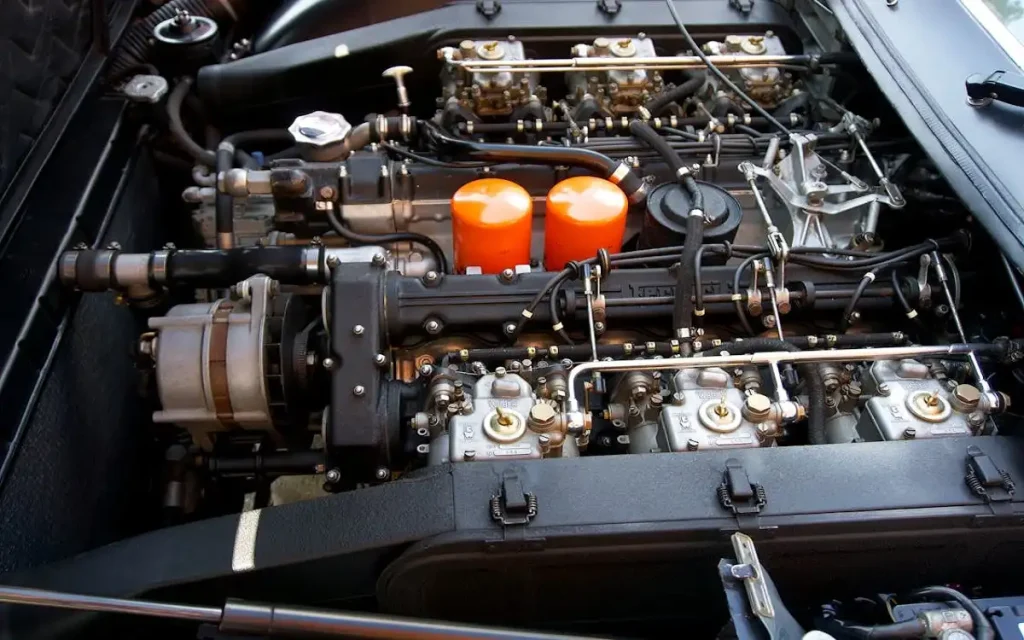
The thermal properties of oil allow it to retain heat better than air, which reduces the need for complex cooling infrastructures and lowers energy consumption.
Benefits of Oil Cooling
- Efficiency: Oil can absorb heat at higher temperatures than air, enhancing the cooling process.
- Longevity: The oil used can last up to 15 years without degradation.
- Reduced Maintenance: Oil prevents rust and corrosion, leading to lower maintenance costs for IT equipment.
- Cost Savings: By eliminating fans and reducing cooling expenses, oil cooling systems offer substantial economic advantages.
Broader Impact on Sustainable Technologies
The drive for sustainable technologies extends beyond oil cooling systems. California’s initiatives are fostering innovations across various sectors, including geothermal and solar cooling technologies:
- Geothermal Cooling: This method leverages the Earth’s stable temperatures for efficient cooling, significantly lowering energy needs compared to conventional systems.
- Solar Cooling: Thermally driven chillers powered by solar energy provide a sustainable alternative to traditional electric chillers.
These innovations not only contribute to carbon emission reductions but also align with California’s overarching objectives of phasing out fossil fuels and enhancing energy efficiency across all sectors.
California’s Green
California’s Green Initiative is at the forefront of driving innovation in sustainable technologies, particularly within oil cooler technology. By creating an environment conducive to research and development in clean energy solutions, California is paving the way for a more sustainable future while addressing critical climate issues.
The integration of advanced cooling technologies illustrates how state policies can spur technological advancements that are both environmentally friendly and economically beneficial.
Ford F-Series Updates Oil Cooling Systems for 2025 Models, Enhanced Towing Capacity
Ford is making significant enhancements to the F-Series lineup for the 2025 model year, particularly with the F-150. These updates focus on improving oil cooling systems and boosting towing capabilities, ensuring that the trucks can meet demanding performance standards.
Basic Updates for the 2025 Ford F-150
Oil Cooling Systems
The 2025 Ford F-150 will incorporate advanced oil cooling systems designed to optimize engine performance, especially during heavy-duty tasks such as towing. This upgrade reflects Ford’s dedication to providing trucks that excel in both efficiency and reliability under pressure.
Enhanced Towing Capacity
The towing capacity of the 2025 F-150 remains robust, with the 3.5L EcoBoost V6 engine capable of hauling up to 13,500 pounds, maintaining the same capability as its predecessor.
The truck also offers a maximum payload capacity of 2,440 pounds. Buyers can choose from six engine options, including a hybrid variant that balances power and fuel efficiency.
Notably, the 3.5L PowerBoost Hybrid engine can tow 11,200 pounds, producing 430 horsepower and 570 lb-ft of torque.
New Features and Trims
A new Platinum Plus trim will be introduced in 2025, enhancing luxury options within the lineup. The model will feature advanced towing technologies such as Pro Trailer Hitch Assist and Smart Trailer Tow Connector, which aim to improve the overall towing experience.
Customers will have the flexibility to select from various configurations, including different bed lengths and engine choices tailored to their specific needs.
Technological Enhancements
In addition to mechanical upgrades, the 2025 F-150 will boast an upgraded infotainment system with a larger touchscreen and improved connectivity features. Enhanced driver-assist technologies will also be included, offering better autonomous driving capabilities and collision avoidance systems.
Summary Table of Basic Features for the 2025 Ford F-150
| Feature | Details |
| Oil Cooling Systems | Enhanced for optimal engine performance |
| Towing Capacity | Up to 13,500 lbs (3.5L EcoBoost V6) |
| Payload Capacity | Up to 2,440 lbs |
| Engine Options | Six options including a hybrid variant |
| New Trim | Platinum Plus with luxury features |
| Advanced Towing Tech | Pro Trailer Hitch Assist, Smart Connector |
| Infotainment System | Larger touchscreen with improved connectivity |
| Driver-Assistance Tech | Enhanced autonomous driving capabilities |
Overall, the 2025 Ford F-150 aims to blend utility with innovative technology, positioning it as a formidable competitor in the pickup truck market as it prepares for its release in the fall of 2024.
Automotive Suppliers in Detroit Showcase Next-Gen Oil Coolers with Smart Temperature Control
Automotive suppliers in Detroit are unveiling innovative oil coolers featuring advanced smart temperature control technologies. These innovations are designed to improve engine performance and efficiency, particularly as the automotive industry shifts towards higher fuel efficiency and performance standards.
Basic Features of Next-Generation Oil Coolers
| Feature | Description |
| Smart Temperature Control | Modern oil coolers now incorporate intelligent temperature control systems that adjust oil temperature based on real-time engine conditions. This ensures optimal cooling efficiency, helping engines operate within ideal temperature ranges to prevent overheating and enhance overall performance. |
| Diverse Applications | Leading suppliers like Dana and AKG Group are showcasing a range of oil cooler designs tailored for various vehicle types, including high-performance engines and heavy-duty commercial vehicles. These coolers play a vital role in maintaining optimal operating conditions for both traditional combustion engines and newer hybrid models. |
| Innovative Designs | The new designs include: – Engine-Mounted Coolers: Compact solutions for high-speed diesel engines. – Remote-Mounted Coolers: Enhanced cooling capacity for towing or racing applications. – Liquid-Cooled Options: Utilize a coolant system to improve heat exchange efficiency, crucial for modern engines that generate significant heat during operation. |
| Manufacturing Flexibility | Companies are focusing on localized manufacturing capabilities that allow for customized solutions tailored to specific vehicle requirements, addressing the diverse needs of the evolving automotive market. |
| Sustainability Focus | The development of these advanced cooling systems aligns with industry trends towards sustainability, aiming to lower emissions and enhance vehicle efficiency through improved thermal management. |
Automotive suppliers in Detroit are leading the way in integrating smart technologies into oil cooling systems, marking a significant advancement in enhancing engine performance while simultaneously addressing environmental challenges.
SEMA Report: Aftermarket Oil Cooler Installations Rise 40% Among Performance Vehicle Owners
Recent findings from the Specialty Equipment Market Association (SEMA) reveal a remarkable 40% increase in aftermarket oil cooler installations among performance vehicle owners. This trend is driven by several basic factors:
Factors Driving the Increase in Aftermarket Oil Cooler Installations
- Performance Enhancements: Vehicle fans are increasingly focused on boosting engine performance. Oil coolers play a vital role in maintaining optimal oil temperatures, which is essential for high-performance engines that produce significant heat during operation.
- Preventing Overheating: The installation of oil coolers is crucial for preventing engine overheating—a major concern for performance vehicle owners. By regulating oil temperatures within a safe range, these coolers enhance engine efficiency and longevity.
- Market Trends: The automotive aftermarket is experiencing overall growth, with rising consumer spending on parts and accessories. This reflects a broader trend toward vehicle customization and performance upgrades, further increasing the demand for effective cooling solutions.
- Technological Advancements: Ongoing improvements in oil cooler technology—such as enhanced heat exchange efficiency and more compact designs—have made these systems more attractive to consumers aiming to enhance their vehicles’ performance capabilities.
This surge in installations aligns with the growing trend of vehicle personalization and performance enhancement within the automotive aftermarket sector.
Summary Table of Basic Factors
| Factor | Description |
| Performance Enhancements | Increased demand for optimal oil temperatures in high-performance engines. |
| Preventing Overheating | Essential for maintaining engine efficiency and longevity. |
| Market Trends | Growth in consumer spending reflects interest in customization and upgrades. |
| Technological Advancements | Innovations improve efficiency and appeal of oil coolers. |
As the automotive industry continues to evolve, aftermarket companies are capitalizing on these trends to meet the growing demands of performance vehicle owners.
GM Announces New Oil Cooler Integration for Electric-Hybrid Powertrains
GM has unveiled a new oil cooler integration specifically tailored for electric-hybrid powertrains, marking a significant advancement in their hybrid vehicle technology. This initiative reflects GM’s commitment to enhancing the efficiency and performance of their hybrid models.
Basic Features of the New Oil Cooler Integration
| Feature | Description |
| Enhanced Cooling Efficiency | The innovative oil cooler system employs a hydraulic pump to circulate fluid through lubrication and cooling circuits, optimizing heat management. This design minimizes viscosity losses by directing uncooled, low-viscosity fluid to the lubrication circuit, essential for maintaining peak performance under various conditions. |
| Temperature Control | A bimetallic valve that responds to temperature changes is crucial for regulating oil flow. It bypasses the cooler in low temperatures to quickly heat the oil, thereby reducing energy consumption when pumping high-viscosity oil. Conversely, it channels fluid through the cooler at elevated temperatures, maximizing heat rejection and ensuring efficient operation across a range of temperatures. |
| Integration with Electric Motors | The cooling system is engineered to function even when the engine is off, which is particularly advantageous for hybrid vehicles that rely on electric motors generating substantial heat. This feature allows for a versatile cooling system adaptable to diverse driving conditions and power management strategies. |
| Improved Performance Metrics | GM’s latest design aims for a 5-12% increase in overall efficiency compared to earlier models, alongside enhanced motor efficiency during generator operation. This improvement is expected to significantly boost the performance of GM’s forthcoming hybrid vehicles. |
This new integration underscores GM’s dedication to advancing hybrid technology by refining thermal management systems that are vital for sustaining the performance and durability of electric-hybrid powertrains.
Latest Updates (December 2024)
As of December 2024, there are ongoing discussions in the automotive industry regarding the shift towards hybrid electric vehicles (HEVs). Major manufacturers like GM are increasingly focusing on HEVs due to slower-than-anticipated growth in battery electric vehicle (BEV) sales.
This trend indicates a strategic pivot as automakers adapt to market demands while balancing electrification efforts with consumer preferences.
US Auto Parts Distributors Report Shortage of Premium Oil Coolers Due to High Demand
US auto parts distributors are currently facing a shortage of premium oil coolers, a situation primarily fueled by a surge in demand for high-performance and fuel-efficient vehicles. This trend can be attributed to several critical factors:
Increased Demand for High-Performance Vehicles
The automotive industry is experiencing a notable uptick in consumer interest in high-performance vehicles, which necessitate advanced cooling systems to efficiently manage the heightened thermal output from their powerful engines.
This growing demand is driving innovation within the engine oil cooler sector, prompting manufacturers to create lightweight and compact coolers that maintain optimal cooling efficiency.
Supply Chain Challenges
Despite enhancements in the overall auto parts supply chain, specific components such as oil coolers remain scarce due to ongoing challenges, including shipping delays, labor shortages, and constraints on raw materials.
These issues hinder distributors’ ability to meet the increased demand, resulting in longer wait times for customers requiring these essential parts.
Market Growth Projections
The market for automotive engine oil coolers is projected to continue its expansion, driven by the rising need for effective thermal management in vehicles.
Forecasts suggest sustained growth as manufacturers adapt to stricter fuel economy standards and consumer preferences for vehicles that maximize operational efficiency while minimizing environmental impact.
The combination of escalating demand for high-performance vehicles and persistent supply chain disruptions has led to a significant shortage of premium oil coolers among US auto parts distributors, affecting both availability and pricing in the marketplace.
| Factor | Description |
| Increased Demand for High-Performance Vehicles | Rising consumer interest necessitating advanced cooling systems. |
| Supply Chain Challenges | Shipping delays, worker shortages, and raw material constraints impacting supply. |
| Market Growth Projections | Continued expansion driven by thermal management needs and fuel economy standards. |
This table highlights the main factors contributing to the current shortage of premium oil coolers in the automotive market.
Jeep’s 2025 Wrangler Gets Updated Transmission Oil Cooler for Improved Off-Road Performance
Jeep has unveiled exciting updates for the 2025 Wrangler, enhancing its off-road capabilities significantly. One of the standout features is the new transmission oil cooler, which is designed to improve thermal management during challenging off-road conditions.
This enhancement aims to prevent overheating, ensuring the Wrangler performs optimally on rugged terrains.
Basic Updates for the 2025 Jeep Wrangler
| Feature | Description |
| Transmission Oil Cooler | A new addition that enhances thermal management, crucial for off-road driving. |
| Transmission Options | The eight-speed automatic transmission returns, paired exclusively with the turbocharged 2.0-liter engine. The 3.6-liter V6 offers a six-speed manual option. |
| Engine Choices | – 3.6-liter V6: 285 horsepower – 2.0-liter Turbocharged Inline-Four: 270 horsepower, improved fuel efficiency – 6.4-liter V8 (Rubicon 392 Final Edition): 470 horsepower |
| Off-Road Features | Includes advanced four-wheel-drive systems (Command-Trac®, Rock-Trac®, Selec-Trac®), Tru-Lok® axles, and an integrated off-road camera for better navigation. |
| Customization Options | Extensive customization possibilities through various trims, body styles, and Mopar equipment to meet specific off-road needs. |
These enhancements collectively reinforce the Jeep Wrangler’s reputation as a premier choice for off-road fans seeking adventure and performance in demanding environments.
Additional Updates
- All models now come standard with power locks and power windows.
- A new ‘41 exterior paint color inspired by military olive drab has been introduced.
- Active Cabin Ventilation is available, allowing users to pre-ventilate the cabin via a mobile app before entering.
The 2025 Jeep Wrangler continues to embody Jeep’s commitment to delivering outstanding off-road capabilities while offering modern conveniences and customization options for drivers who demand both performance and versatility.
Tesla Develops Innovative Oil Cooling Solution for Electric Motor Bearings
Tesla has made significant strides in enhancing electric vehicle (EV) technology with the introduction of an innovative oil-cooling solution for its electric motor bearings.
This innovative system aims to improve thermal management, addressing the heat challenges typically faced by electric motors, thereby boosting overall efficiency and performance.
Overview of the Oil Cooling Solution
Cooling Mechanism:
Tesla’s new system utilizes oil as a coolant, which is circulated throughout the motor to maintain optimal operating temperatures. This oil not only lubricates the bearings but also effectively dissipates heat generated during operation, preventing overheating and potential damage to motor components.
Design Features:
- Integrated Cooling Channels: The motors are equipped with internal cooling channels that facilitate direct oil flow through both the stator and rotor. This dual cooling mechanism ensures efficient heat transfer from critical components.
- Spiral Groove Technology: A notable feature of Tesla’s design is the integration of spiral grooves within the rotor shaft. This innovation aids in efficient oil dispersion as the rotor spins, enhancing cooling for both the rotor and stator cores.
Benefits of Oil Cooling
- Enhanced Efficiency: The oil cooling system allows for superior temperature regulation, leading to improved efficiency and performance of the electric motor. By maintaining optimal temperatures, it reduces energy losses related to overheating.
- Extended Component Life: Proper lubrication and cooling minimize wear on motor components, extending their lifespan. Regular maintenance of the oil system is essential to sustain performance and prevent contamination that could lead to increased wear.
- Simplified Design: The closed-loop design of Tesla’s oil cooling system simplifies complexity compared to traditional methods, potentially lowering manufacturing costs while improving reliability.
Tesla’s oil cooling system
Tesla’s innovative oil cooling solution marks a substantial advancement in electric motor technology. By effectively managing heat through an integrated oil circulation system, Tesla enhances both the performance and durability of its electric motors.
This development not only benefits current models but also sets a precedent for future innovations in EV design and efficiency.
AutoZone Expands Premium Oil Cooler Line with Advanced Aluminum Models
AutoZone has recently broadened its premium oil cooler range by launching advanced aluminum models, thereby enhancing its portfolio of automotive cooling solutions.
This initiative is in response to the increasing demand for high-performance oil coolers that not only boost engine efficiency but also extend the lifespan of vehicles.
Basic Features of the New Aluminum Oil Coolers
| Feature | Description |
| Material | Constructed from high-quality aluminum, these coolers offer superior thermal conductivity, enabling efficient heat dissipation essential for maintaining optimal engine temperatures. |
| Durability | The lightweight nature of aluminum combined with its corrosion resistance ensures the longevity of the oil coolers across various environmental conditions. |
| Performance | Designed for enhanced cooling capabilities, these advanced models significantly improve engine efficiency and overall vehicle performance. |
Availability
Customers can conveniently purchase these new aluminum oil coolers either online or at AutoZone retail locations, with options for next-day delivery or same-day store pickup. AutoZone remains committed to providing high-quality automotive parts and accessories at competitive prices.
This expansion underscores AutoZone’s strategy to adapt to the changing needs of automotive fans and professionals who seek reliable and efficient cooling solutions for their vehicles.
Racing Teams Adopt New US-Made Oil Cooler Technology for 2025 Season
Racing teams are gearing up to implement innovative U.S.-manufactured oil cooler technology for the upcoming 2025 season.
This initiative is largely propelled by advancements from PWR Performance Products and Chillout Motorsports, with the goal of boosting vehicle performance and ensuring driver safety in extreme heat scenarios.
Basic Developments
PWR Performance Products
PWR Performance Products is renowned for its specialization in high-performance cooling solutions. The company has made a substantial impact in motorsport, supplying cooling systems across various racing formats, including Formula One (F1), NASCAR, and V8 Supercars.
Recent reports highlight that their new oil cooler can maintain temperatures over 50 degrees cooler than earlier models, significantly enhancing vehicle performance under challenging conditions.
Chillout Motorsports
Chillout Motorsports, based in the U.S., has partnered with the FIA and F1 teams to create a new driver cooling system, which will be required during races held in extreme heat starting in 2025.
This system circulates cooled water around the driver’s body to alleviate heat stress, addressing concerns raised after multiple incidents of heat exhaustion among drivers during the 2023 season.
Regulatory Changes
The FIA has introduced a “Heat Hazard” regulation mandating that these cooling systems be integrated into F1 cars when ambient temperatures reach designated thresholds, likely set at 30 degrees Celsius or higher. This regulation underscores the FIA’s commitment to enhancing driver safety and comfort during races.
Market Implications
The global market for automotive engine oil coolers is projected to experience significant growth, with estimates indicating it could reach USD 13.77 billion by 2031.
This surge is driven by an increasing demand for lightweight and compact cooling solutions across various vehicle categories, especially in commercial vehicles where effective engine oil cooling is crucial due to heavy operational loads.
| Aspect | Details |
| Basic Players | PWR Performance Products, Chillout Motorsports |
| Main Innovations | High-performance oil coolers; driver cooling systems |
| Regulatory Changes | FIA’s “Heat Hazard” regulation for extreme temperatures |
| Market Growth Projection | Expected to reach USD 13.77 billion by 2031 |
| Primary Drivers | Demand for lightweight solutions; safety enhancements in motorsport |
The introduction of new U.S.-made oil cooler technology by racing teams in 2025 marks a pivotal advancement in both performance and safety within motorsport. The collaboration between PWR’s innovative cooling systems and Chillout Motorsports’ innovative driver comfort solutions promises to significantly improve the racing experience while addressing critical health concerns for drivers.
Dodge Performance Division Integrates Enhanced Oil Cooling for Muscle Car Lineup
Dodge’s Performance Division has unveiled significant enhancements to the oil cooling systems in its muscle car lineup, which includes the iconic Challenger and Charger models.
This upgrade is designed to optimize engine performance and reliability, particularly during high-stress driving conditions that are characteristic of muscle car use.
Enhanced Oil Cooling Features
Oil Cooler Integration: The newly integrated oil cooling systems are engineered to maintain ideal engine temperatures, a critical factor for performance during aggressive driving or racing.
By effectively regulating oil temperatures, these systems help prevent overheating, ensuring that the engine operates at peak efficiency.
Performance Benefits: The improvements in oil cooling technology contribute to both enhanced engine longevity and performance. Cooler oil minimizes friction and wear on engine components, which can lead to increased horsepower and torque outputs.
This is especially important for high-performance models like the Dodge Challenger SRT Demon 170, which features a remarkable 32% increase in cylinder pressure compared to its predecessors.
Advanced Technology: The incorporation of innovative cooling technologies, such as the SRT Power Chiller™, further boosts the cooling capabilities of these vehicles.
This innovative system redirects the air conditioning to cool the supercharger intercooler, significantly reducing air intake temperatures and enhancing overall vehicle performance.
Implications for Muscle Car Fans
These advancements in oil cooling technology demonstrate Dodge’s dedication to enhancing the driving experience for muscle car fans. By prioritizing basic elements such as thermal management, Dodge aims to ensure that its vehicles deliver not only raw power but also reliability and performance under demanding conditions.
These enhancements are expected to appeal to both existing owners and prospective buyers seeking high-performance vehicles capable of withstanding rigorous driving scenarios without sacrificing durability.
Summary Table of Enhanced Features
| Feature | Description |
| Oil Cooler Integration | Maintains optimal engine temperatures during aggressive driving. |
| Performance Benefits | Improves engine longevity, reduces friction, enhances horsepower and torque outputs. |
| Advanced Technology | Includes SRT Power Chiller™ for improved cooling of supercharger intercooler. |
| Target Audience | Muscle car fans seeking reliable high-performance vehicles. |
These enhancements reflect Dodge’s commitment to innovation in the muscle car segment, ensuring that drivers can enjoy exhilarating performance while maintaining peace of mind regarding their vehicle’s reliability.
Finally
The upcoming EPA regulations set to take effect in 2025 represent a significant shift toward sustainability within the HVAC industry, particularly concerning oil cooler design standards. By mandating the use of low-GWP refrigerants and enhancing efficiency requirements, these regulations not only aim to reduce greenhouse gas emissions but also promote technological advancements within the industry.
As manufacturers adapt their designs and processes to comply with these changes, they will play a crucial role in fostering a more sustainable future.
While there may be initial cost increases associated with compliance, the long-term benefits—both environmentally and economically—will ultimately lead to a more efficient and responsible approach to cooling technologies.
In summary, staying informed about these evolving regulations is essential for industry stakeholders as they navigate this transformative period in HVAC technology.
More Automotive Update Visit Deckers Auto