Introduction
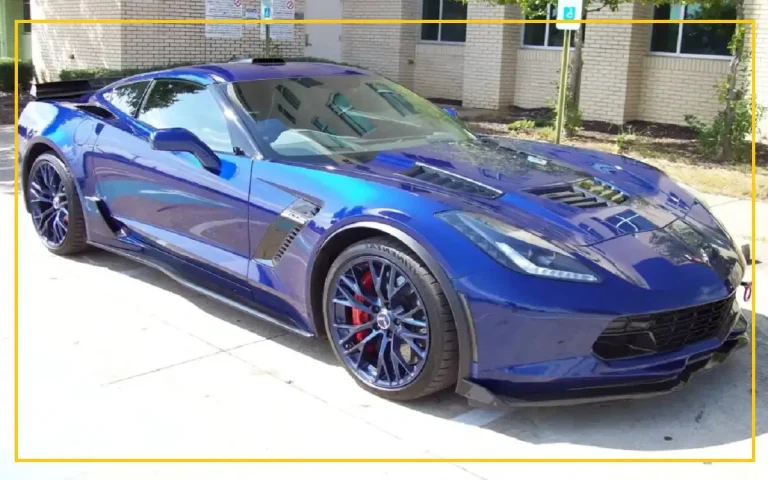
Window tint can be an attractive addition to any vehicle, offering privacy, style, and protection from sunlight. However, navigating the complex landscape of window tint regulations in the United States can be challenging. Each state has its own unique set of rules, and what’s legal in one jurisdiction might result in a traffic citation in another.
Recent Released: Is Automotive Oil Film Cleaning Brush Good For Car Window Tint
Deckersauto shares everything you need to know about window tint laws in the USA and Canada, helping you stay compliant and avoid potential legal troubles.
What Are Window Tint Laws?
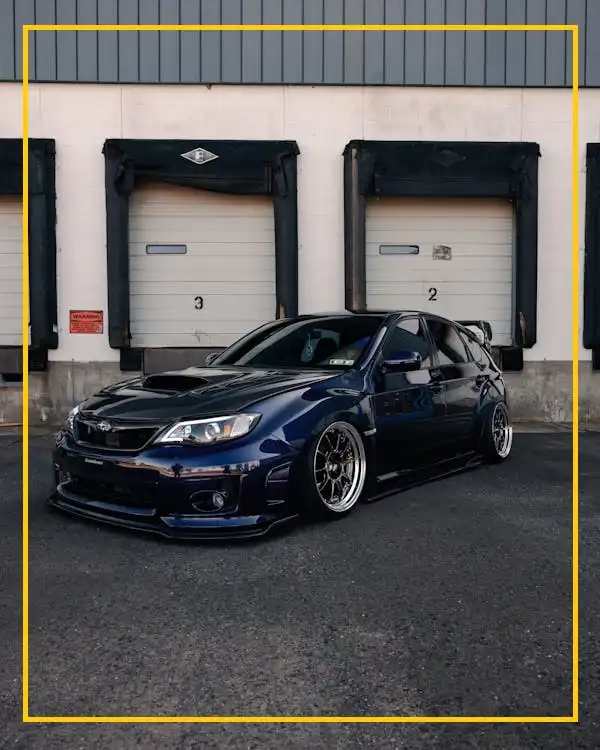
Window tint laws regulate the darkness and reflectivity of vehicle window coverings. These regulations are primarily measured by Visible Light Transmission (VLT), which indicates the percentage of light that can pass through the window.
The goal of these laws is to balance driver privacy and comfort with critical safety concerns for both drivers and law enforcement.
Key Factors in Window Tint Regulations
| Window Location | Typical VLT Range | Safety Considerations |
| Windshield | 70-90% | Ensures driver visibility |
| Front Side Windows | 25-70% | Maintains officer visibility during traffic stops |
| Rear Side Windows | 15-50% | Allows some privacy while maintaining safety |
| Rear Windshield | 15-35% | Provides maximum privacy |
State Variability in Tint Laws
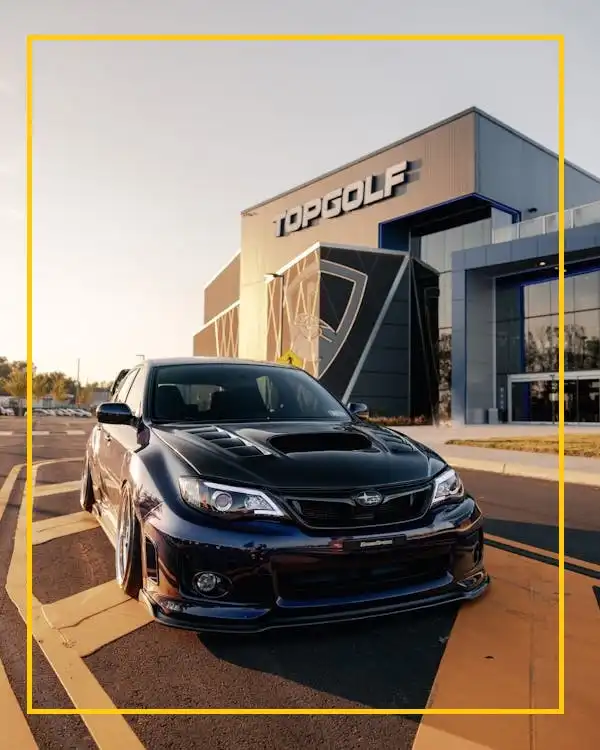
One of the most critical aspects of Window tint understands that regulations vary dramatically across states. What’s perfectly legal in California might result in a ticket in New Jersey. Some states, like New Jersey and New Hampshire, have stringent regulations that effectively ban window tinting altogether.
Factors Influencing State Tint Laws
- Local climate conditions
- Safety considerations
- Law enforcement perspectives
- Historical precedents
Consequences of Non-Compliance
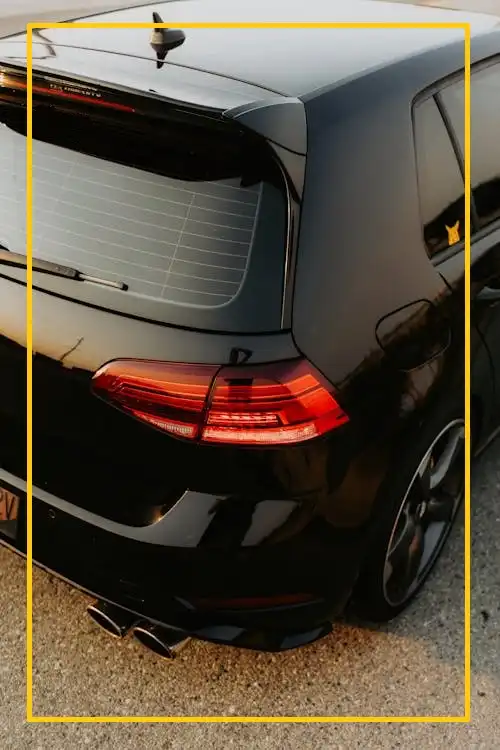
Getting pulled over for illegal window tint can lead to several potential outcomes:
- Fix-It Ticket: A first-time offense often results in a ticket requiring you to remove the illegal tint and have your vehicle reinspected.
- Financial Penalties: Fines can range from $25 to $500, depending on the state and frequency of violations.
- Vehicle Inspection: You might be required to have your vehicle professionally inspected to ensure compliance.
- Repeated Violations: Continuous non-compliance can lead to more severe penalties, including potential vehicle impoundment.
Medical and Special Exemptions
Many states recognize that some individuals have legitimate medical needs for darker window tints.
These exemptions typically require:
- A certified medical document
- Specific documentation carried in the vehicle
- Approval from state motor vehicle authorities
Common Medical Conditions Qualifying for Tint Exemptions
- Lupus
- Photosensitivity disorders
- Skin conditions exacerbated by sunlight
- Certain eye conditions
How Law Enforcement Checks Window Tint
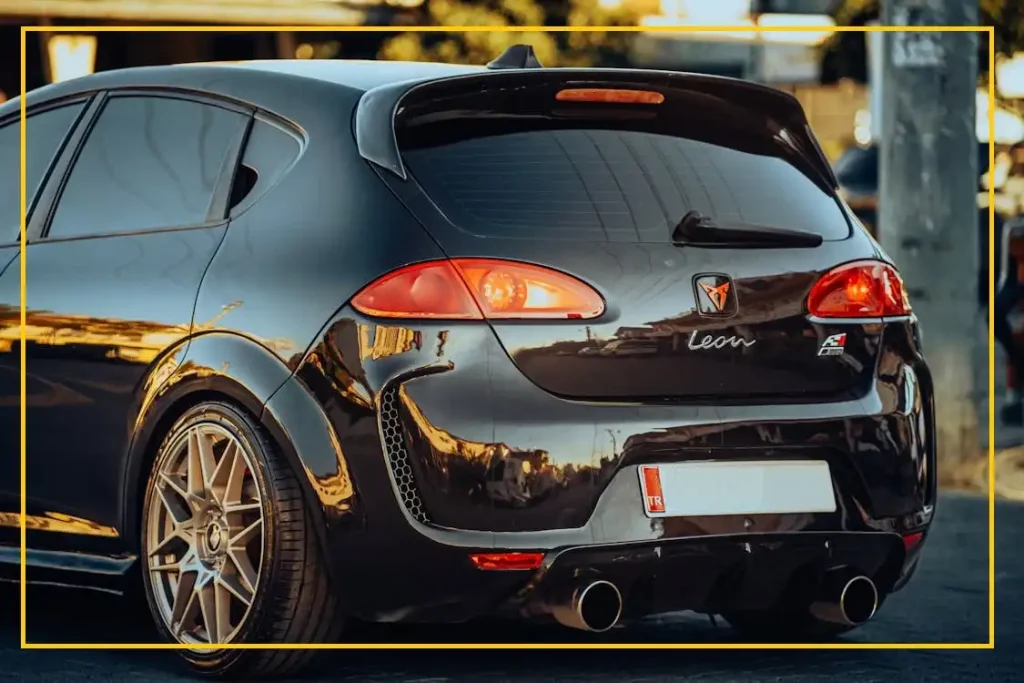
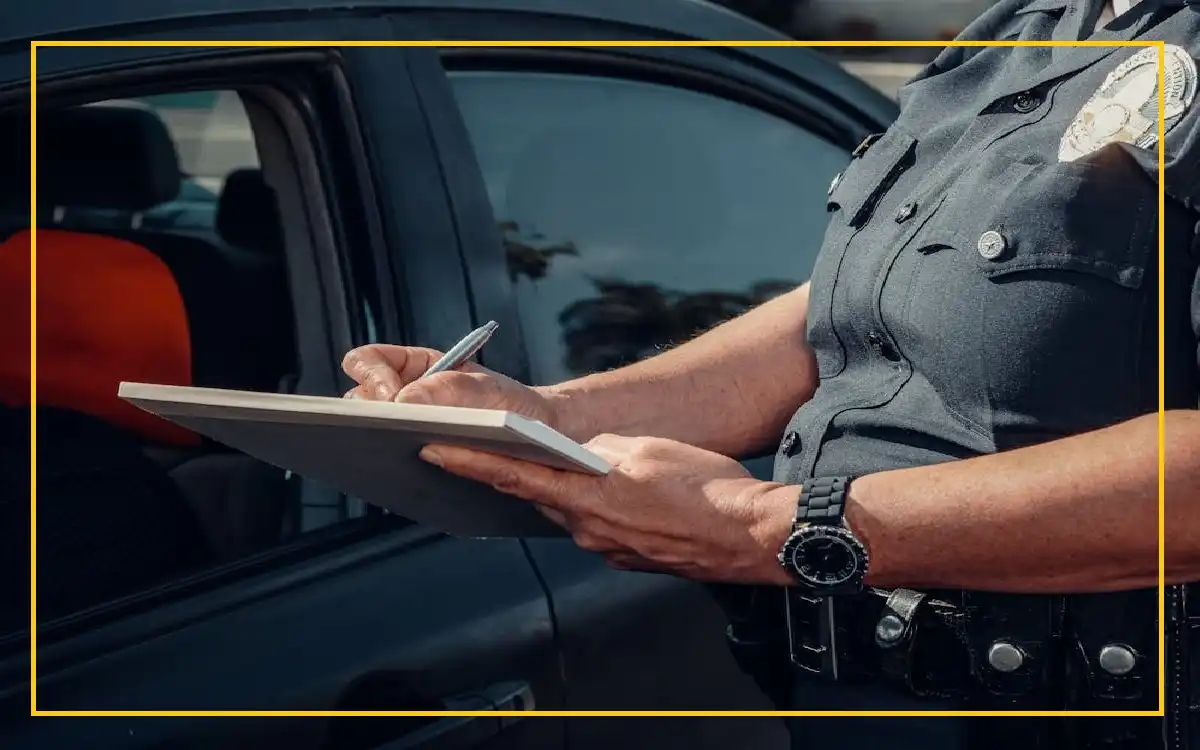
Police officers use two primary methods to determine tint legality:
- Light Transmittance Meters: Precise digital devices measuring exact light passage percentages
- Visual Inspection: Initial assessment before using technical measurement tools
Practical Tips for Staying Compliant
- Research your specific state’s window tint laws
- Use professionally installed tints from reputable providers
- Keep documentation of medical exemptions, if applicable
- Regularly check your tint’s condition and compliance
Car Window Tint Film RTO Approved in USA
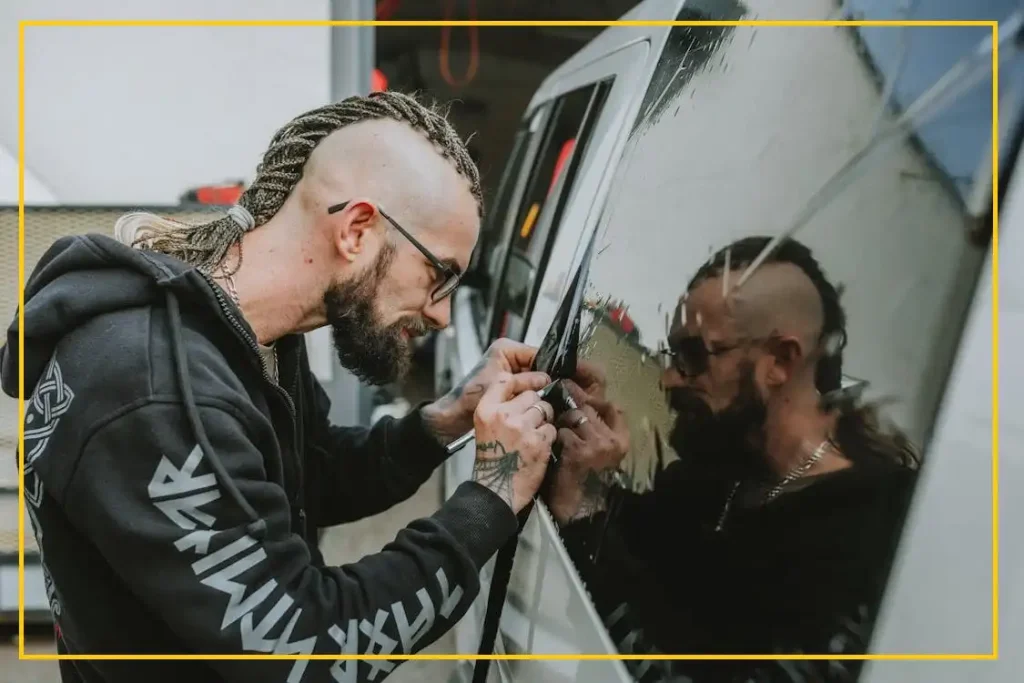
In the United States, car Window tint regulations differ widely across states, lacking a unified “RTO” (Regional Transport Office) approval system as seen in India. Instead, each state establishes its laws regarding the allowable levels of tint on vehicle windows.
Below are some essential aspects concerning approved window tint films and their status in the U.S.:
State Regulations on Window Tinting
Visible Light Transmission (VLT): Most states dictate a minimum percentage of visible light transmission for various windows:
- Windshield: Many states permit tinting only on the upper portion of the windshield (commonly referred to as the “eyebrow”), while the remainder must be clear or maintain a high VLT, often around 70%.
- Front Side Windows: Generally, these windows must allow at least 35% to 50% light in, depending on state regulations.
- Rear Side Windows and Back Window: These windows typically have more flexible rules, with some states allowing darker tints.
Medical Exemptions: Certain states provide exemptions for individuals with specific medical conditions that necessitate reduced sun exposure. This usually requires documentation from a healthcare professional.
Certification of Films: Some states mandate that window tint films be certified and labeled to demonstrate compliance with local laws. Manufacturers often offer this certification.
Enforcement and Penalties: Non-compliance with window tint regulations can result in fines, and law enforcement may require the removal of non-compliant films.
Approved Films
While “RTO-approved” is a term specific to India, in the U.S., one should seek films that adhere to state-specific regulations. Numerous manufacturers produce window tint films designed to comply with various state laws, often marketed as “legal” or “compliant” for particular regions.
Suggest
Before installing window tint film on your vehicle in the U.S., it is crucial to familiarize yourself with your state’s specific regulations regarding VLT percentages and any certification requirements. Always choose products that are marketed as compliant with local laws to avoid potential penalties or complications with law enforcement.
Car Window Tinting Laws in USA
Car window tinting regulations across the United States differ considerably from one state to another, particularly regarding the percentage of visible light transmission (VLT) permitted through vehicle windows. Below is a summary of these laws:
General Regulations
Visible Light Transmission (VLT): This term refers to the amount of light that can penetrate through tinted glass. Each state has established specific VLT limits for various windows, including front side, backside, rear, and windshields.
Reflectivity: Many states also enforce rules on the reflectiveness of the tint, which is typically quantified as a percentage.
State-Specific Tinting Laws
| State | Front Side Windows | Back Side Windows | Rear Windows | Windshield | Reflectivity | Other Restrictions |
| Alabama | 32% | 32% | 32% | 6 inches | No more than 20% | None |
| Alaska | 70% | 40% | 40% | 5 inches | No metallic/mirrored | No red, yellow, or amber tints allowed |
| Arizona | 33% | Any | Any | Top of manufacturer’s as-1 line | No more than 35% | Red and amber not permitted; dual side mirrors required for back windows |
| California | 70% | Any | Any | Top of manufacturer’s as-1 line | No more than 20% | None |
| Florida | 28% | 15% | 15% | Non-reflective above as-1 line | No more than 25% | None |
| Texas | 25% | 25% | Any | 5 inches or as-1 line | No more than 25% | Red, amber, and blue not allowed; dual side mirrors required for back windows |
| New York | 70% | 70% | Any | 6 inches | No restrictions | None |
| Pennsylvania | 70% | 70% | 70% | None | None | No tinting allowed on front windows |
Additional Considerations
Medical Exemptions: Several states provide exemptions for individuals with medical conditions that require darker tints, often necessitating a physician’s note.
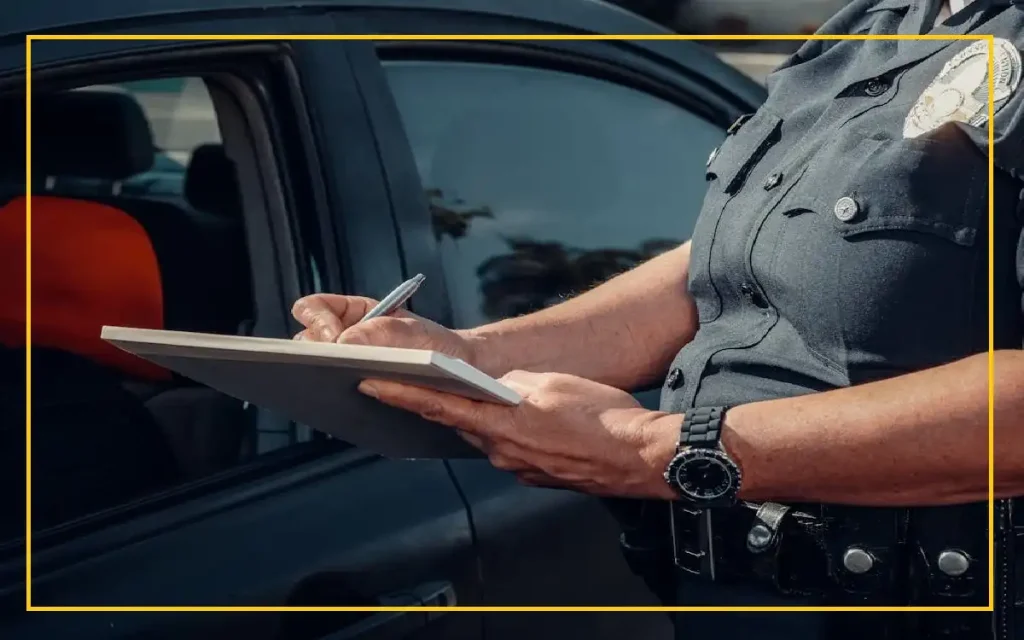
Law Enforcement: Vehicles may be stopped by law enforcement for non-compliance with tint regulations, which could result in fines or orders to remove the tint.
Before applying window tint to your vehicle, it is essential to verify the specific laws in your state to ensure adherence. The variations in these regulations reflect differing priorities regarding safety and aesthetics across the nation.
Window Tint Price in USA
The cost of Window tint in the United States can vary widely due to several factors, including the vehicle type, the tint material chosen, and the number of windows being tinted. Below is a comprehensive breakdown of the associated costs.
Car Window Tinting Costs
Basic Pricing Ranges
- Standard Dyed Tint: Prices typically range from $175 to $570 for a complete vehicle.
- Metallized Tint: The cost falls between $200 and $650.
- Ceramic Films: These high-end options can range from $310 to $1,220, depending on the specific type and quality of the ceramic film selected.
By Vehicle Type
- Compact Cars: Expect costs between $100 and $300 for dyed tints, while ceramic films range from $300 to $700.
- Sedans: Prices generally vary from $150 to $750, influenced by the type of tint used.
- SUVs and Trucks: Costs are typically higher, ranging from $200 to $800, with larger vehicles often incurring additional fees due to the increased amount of film required.
Per Window Pricing
The cost per window can vary from approximately $25 to $140, depending on the film quality. Essential 1-Ply films may start around $25, while high-quality IR Infrared films can reach up to $140 per window.
Residential and Commercial Window Tinting Costs
Residential Tinting
The average cost for residential window tinting is between $5 and $19 per square foot, with total costs averaging around $590. However, prices can range from as low as $150 to as high as $1,500, depending on window size and tint quality.
Commercial Tinting
For commercial properties, window tinting typically costs between $5 and $8 per square foot, influenced by factors such as window height and condition.
Factors Influencing Price
Several elements can affect the pricing of tinting window:
- Type of Film: The choice of material (dyed, metalized, ceramic) significantly impacts costs.
- Installation Complexity: More intricate installations or larger vehicles usually incur higher labor charges.
- Local Market Variability: Prices may differ by region; urban areas often have higher rates due to demand and living costs.
While essential car tinting window can start around $100 for small cars with low-quality film, premium options can escalate costs into the thousands for larger vehicles or higher-end materials. Similarly, residential and commercial applications exhibit a broad price range based on size and film type.
Finally
Window tint laws are complex and vary significantly across the United States. While tinting can enhance your vehicle’s appearance and provide personal comfort, it’s crucial to understand and respect local regulations. By staying informed and proactive, you can enjoy the benefits of tinting window without risking legal complications.
Remember: When in doubt, consult your local Department of Motor Vehicles or a professional window tinting service to ensure full compliance with state regulations.
Disclaimer: Laws and regulations can change. Always verify current local requirements before installing tinting window.
More Automotive Update Visit Deckers Auto