

Cleaning Throttle Body in your car engine is an important thing that helps you to reduce more risk and smooth your car run. As car owners, we often overlook the significance of regular maintenance tasks, such as Cleaning Throttle Body. However, this seemingly minor component plays a crucial role in ensuring your vehicle’s optimal performance.
DeckersAuto shares information about the benefits of cleaning your car’s throttle body and how it can impact your driving experience in the USA.
Recent Released: Will Brogan Doodlebug A 1950s Motor Scooter Electric Model
The throttle body is an essential component of your car’s engine, responsible for regulating the air intake required for optimal combustion. Over time, this crucial part can accumulate grime, carbon deposits, and debris, hampering its ability to function efficiently.
Neglecting to clean the throttle body can have severe consequences for your vehicle’s performance, fuel economy, and overall health. In this comprehensive article, we examine the significance of Cleaning Throttle Body and its impact on your car’s performance in the USA.
What is a Throttle Body?
The throttle body is an essential component of your vehicle’s engine system. It regulates the amount of air that enters the engine, controlling the air-fuel mixture and subsequently influencing the engine’s power output. Over time, the throttle body can accumulate dirt, carbon deposits, and grime, hindering its ability to function efficiently.
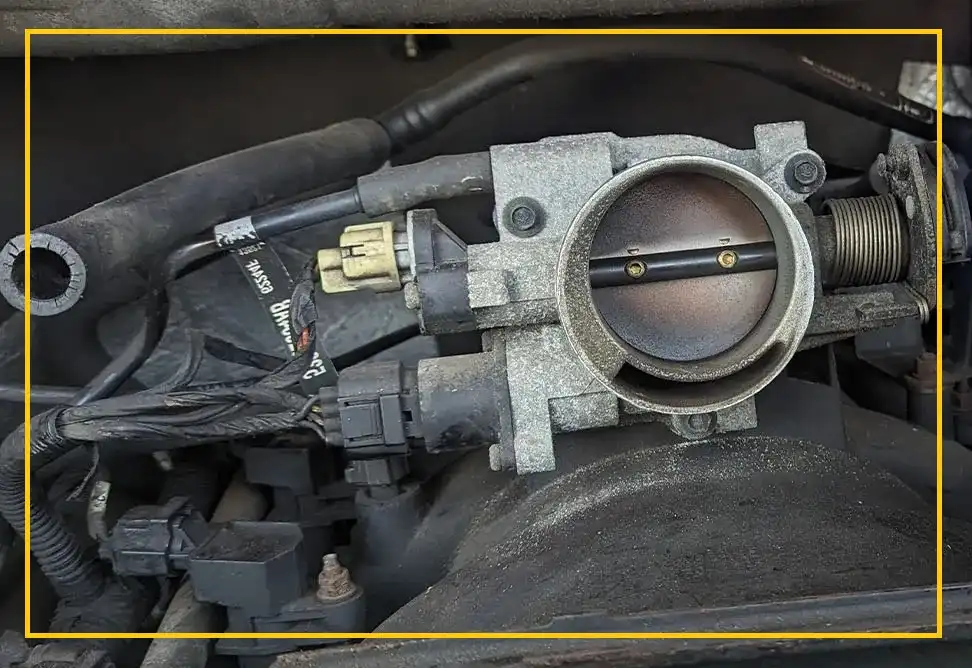
Signs of a Dirty Throttle Body
Recognizing the telltale signs of a dirty throttle body is the first step toward addressing potential performance issues. Here are some common indicators that your car’s throttle body may need cleaning:
Rough Idling
A clogged throttle body can cause irregular air flow, leading to rough idling and potential stalling.
Poor Acceleration
Restricted air intake due to a dirty throttle body can result in sluggish acceleration and reduced engine responsiveness.
Decreased Fuel Efficiency
Impaired air-fuel mixture caused by a clogged throttle body can negatively impact your car’s fuel economy.
Check Engine Light
In some cases, a dirty throttle body can trigger the check engine light, indicating an issue with the engine’s air-fuel ratio.
Failed Emissions Test
Excessive buildup in the throttle body can lead to increased emissions, causing your vehicle to fail emissions testing.
If you notice any of these symptoms, it’s advisable to have your throttle body inspected and cleaned by a professional mechanic or follow the manufacturer’s recommended cleaning procedures.
How to Clean a Throttle Body Sensor
Cleaning Throttle Body sensor is a crucial maintenance task that ensures optimal engine performance and fuel efficiency. By following these detailed steps, you can effectively clean the sensor and maintain your vehicle’s health.
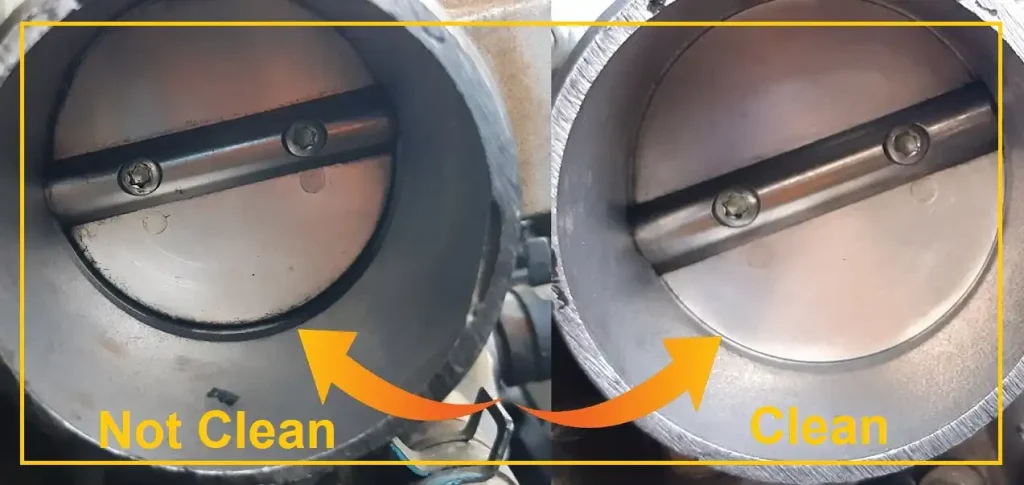
To begin, gather the necessary tools and materials: a throttle body cleaner (avoid using carburettor cleaner unless explicitly recommended), a screwdriver or socket wrench set, paper towels or rags, and protective eyewear and gloves for safety.
Step 1: Accessing the Throttle Body
Start by parking your vehicle on a level surface and ensuring the engine is turned off. Locate the air intake tube connected to the throttle body, which is typically mounted on the intake manifold. Using a screwdriver, loosen the clamps securing the air intake tube and carefully detach it to expose the throttle body.
Step 2: Cleaning Throttle Body
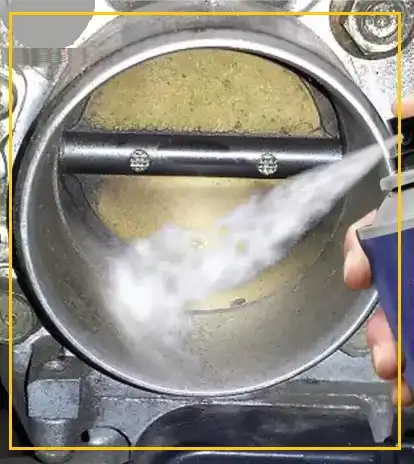
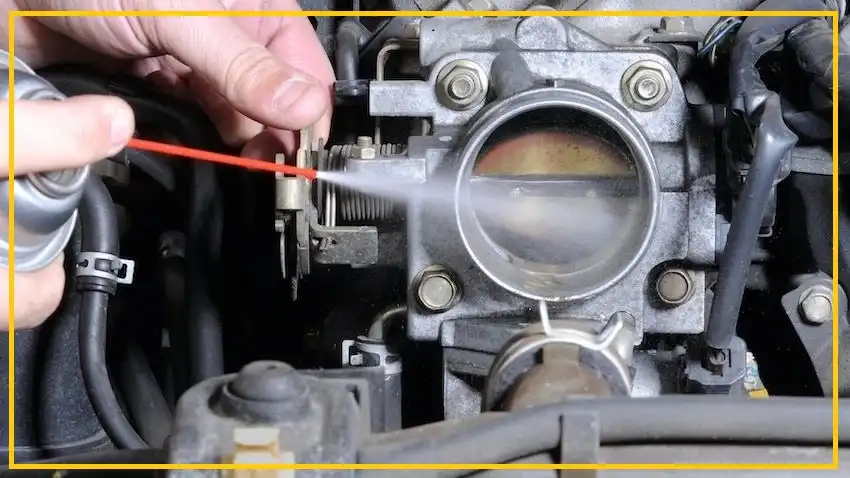
With the throttle body exposed, spray an appropriate throttle body cleaner directly onto the butterfly valve and surrounding areas. For vehicles with a cable-driven throttle, you can manually open the valve; in drive-by-wire systems, have someone press the accelerator pedal to open it while you spray.
Use a clean paper towel or rag to wipe away grime and debris gently. Be cautious not to let any particles fall into the intake manifold. Repeat spraying and wiping as needed until the throttle body is thoroughly clean.
Step 3: Optional – Cleaning the Mass Airflow (MAF) Sensor
If accessible, consider cleaning the Mass Airflow (MAF) sensor during this process. Use a dedicated MAF sensor cleaner by spraying it onto a cloth and gently wiping down the sensor without directly touching its delicate wires.
Step 4: Reassembling Components
Once all components are clean, securely reattach the air intake tube and reconnect any electrical connectors that were disconnected during cleaning. Start your engine to ensure everything is functioning correctly. Check for smooth idling and ensure no warning lights appear on your dashboard.
Safety Precautions: Always prioritize safety by wearing protective eyewear and gloves to safeguard against harmful chemicals. Work in a well-ventilated area to avoid inhaling fumes from cleaning agents.
Regularly cleaning your throttle body sensor not only ensures smooth airflow into your engine but also enhances fuel efficiency and responsiveness, contributing to an overall better driving experience.
What Are The Benefits of Cleaning Throttle Body
Maintaining a clean throttle body can yield numerous throttle body cleaning benefits for your car’s performance and overall health:
- Improved Fuel Efficiency: By ensuring optimal air flow and proper air-fuel mixture, a clean throttle body can help improve your vehicle’s fuel economy, saving you money at the gas pump.
- Smoother Acceleration: A clean throttle body allows for unrestricted air flow, resulting in smoother and more responsive acceleration.
- Reduced Emissions: A properly functioning throttle body helps maintain the correct air-fuel ratio, reducing harmful emissions and ensuring your car meets environmental standards.
- Enhanced Engine Performance: With optimal air intake, your engine can operate at its full potential, delivering better overall performance and responsiveness.
- Extended Engine Life: By preventing buildup and ensuring proper air-fuel mixture, Cleaning Throttle Body can help extend the life of your engine and reduce the risk of costly repairs.
Regular cleaning of the throttle body is a simple and cost-effective preventive maintenance measure that can significantly enhance your driving experience and protect your investment.
How Often Should You Clean the Throttle Body?
The frequency of Cleaning Throttle Body can vary depending on several factors, including your driving habits, the age of your vehicle, and the environmental conditions you typically drive in. However, most automotive experts recommend Cleaning Throttle Body every 75,000 to 100,000 miles or annually, whichever comes first.
To help you stay on top of this crucial maintenance task, we’ve created a handy table to guide you with cleaning throttle body in car cost:
| Driving Conditions | Recommended Cleaning Interval |
| City/Stop-and-Go | Every 50,000 – 75,000 miles |
| Highway/Long Trips | Every 75,000 – 100,000 miles |
| Dusty/Off-Road | Every 30,000 – 50,000 miles |
| Extreme Temperatures | Every 50,000 – 75,000 miles |
It’s important to note that these intervals are general guidelines, and your specific vehicle’s needs may vary. Consult your owner’s manual or speak with a qualified mechanic to determine the optimal cleaning schedule for your car.
The Risks of Not Cleaning Your Throttle Body
Neglecting to clean your throttle body can have severe consequences for your vehicle’s performance and longevity. Some of the potential risks include:
- Engine Stalling and Misfiring: Excessive buildup in the throttle body can disrupt the air-fuel mixture, leading to engine stalling and misfiring, which can be hazardous while driving.
- Decreased Fuel Efficiency: A dirty throttle body can cause your engine to work harder, resulting in increased fuel consumption and higher operating costs.
- Accelerated Engine Wear: Improper air-fuel mixture due to a clogged throttle body can lead to increased combustion temperatures, causing accelerated wear on engine components.
- Emission Control System Damage: Excessive buildup can interfere with the proper functioning of the emission control system, potentially leading to costly repairs.
- Check Engine Light Issues: A dirty throttle body can trigger various diagnostic trouble codes, causing the check engine light to illuminate and potentially masking other underlying issues.
By prioritizing regular Cleaning Throttle Body, you can avoid these potential problems and ensure your vehicle operates at its best, prolonging its lifespan and minimizing costly repairs.
Do I Need To Disconnect Battery When Cleaning Throttle Body
Cleaning Throttle Body is a crucial maintenance task for vehicle performance, and the decision to disconnect the battery during this process hinges on several considerations.
When it comes to disconnecting the battery, there are a few key factors to keep in mind.
First, as a safety precaution, disconnecting the negative terminal of the battery is often recommended.
Cleaning throttle body minimizes the risk of accidental electrical shorts or damage to sensitive electronic components while working on the throttle body.
Additionally, disconnecting the battery can assist in resetting the Engine Control Unit (ECU). This reset allows the ECU to relearn idle parameters more efficiently after cleaning, which can be particularly beneficial if you experience rough idling or other performance irregularities following the maintenance.
While some drivers report that their vehicles adapt over time without disconnecting the battery, taking this step may expedite the adjustment process.
However, experiences with this procedure can vary. While many automotive professionals advocate for disconnecting the battery, others have successfully cleaned their throttle bodies without doing so and encountered no major issues.
These individuals observed that the ECU naturally recalibrates over time, even without a battery reset.
While disconnecting the battery is not strictly mandatory for Cleaning Throttle Body, it can enhance safety and accelerate your vehicle’s post-cleaning adjustment process. If you opt not to disconnect it, be prepared for a potentially longer adaptation period for your vehicle’s ECU.
Does Cleaning Throttle Body Make a Difference
Cleaning Throttle Body plays a pivotal role in enhancing the performance and efficiency of vehicles across the USA. This essential maintenance task can lead to noticeable improvements in engine operation, fuel economy, and overall vehicle reliability.
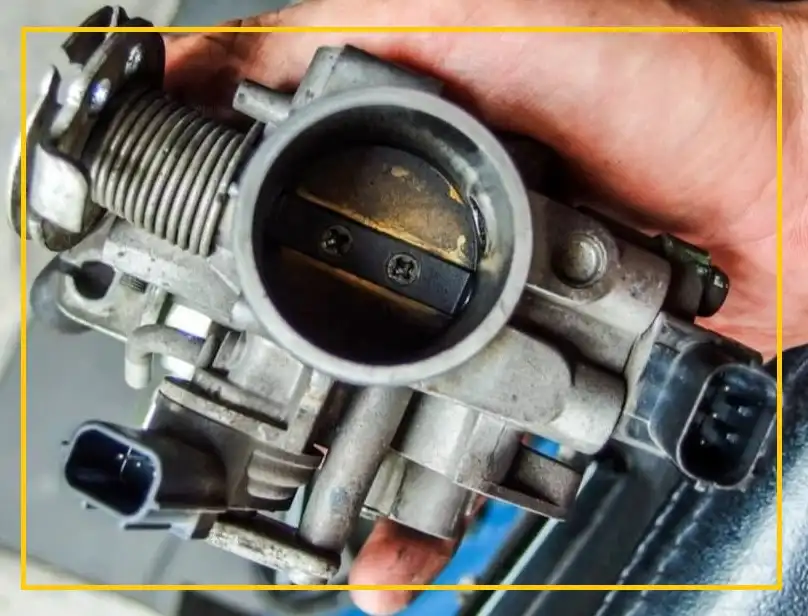
Let’s delve into the benefits and important considerations surrounding Cleaning Throttle Body.
A clean throttle body is vital for ensuring smooth airflow to the engine, which directly impacts its performance. Over time, dirt, carbon deposits, and grime can accumulate on the throttle body, disrupting airflow and causing issues such as rough idling or sluggish acceleration.
- By removing these deposits, drivers often experience enhanced idle stability and improved acceleration.
- Additionally, Cleaning Throttle Body contributes to better fuel efficiency.
- A clogged throttle body can negatively affect the air-fuel mixture required for combustion, leading to excessive fuel consumption.
- Regular cleaning helps optimize this mixture, resulting in noticeable savings at the pump.
- Another significant benefit of maintaining a clean throttle body is the reduction of stalling issues.
- Vehicles with dirty throttle bodies may exhibit hesitation during acceleration or experience rough idling.
- By ensuring that the engine receives an adequate supply of air, cleaning prevents these problems and promotes consistent power delivery.
Furthermore, keeping the throttle body clean helps protect engine components from damage caused by carbon build-up and debris. This proactive measure not only reduces the risk of costly repairs but also extends the overall lifespan of the engine.
When it comes to cleaning frequency, it is generally recommended to clean the throttle body every 30,000 to 100,000 miles, depending on driving habits and conditions.
While some drivers may notice immediate improvements after cleaning, others might only see significant differences if severe blockages are present.
The cleaning method also matters; while spraying cleaner without removing the throttle body is a convenient option, disassembling it for a more thorough cleaning often yields better results.
Using specialized throttle body cleaners is crucial to dissolve carbon deposits effectively without damaging sensitive engine components.
Safety Tips
Cleaning Throttle Body is a simple yet impactful maintenance practice that can significantly improve vehicle performance, fuel efficiency, and engine longevity.
Regular attention to this component ensures smoother operation and helps drivers avoid issues related to clogged or dirty throttle bodies. By investing in proper maintenance, vehicle owners can enjoy a more reliable driving experience while potentially saving on fuel costs in the long run.
How To Clean Throttle Body Without Removing It
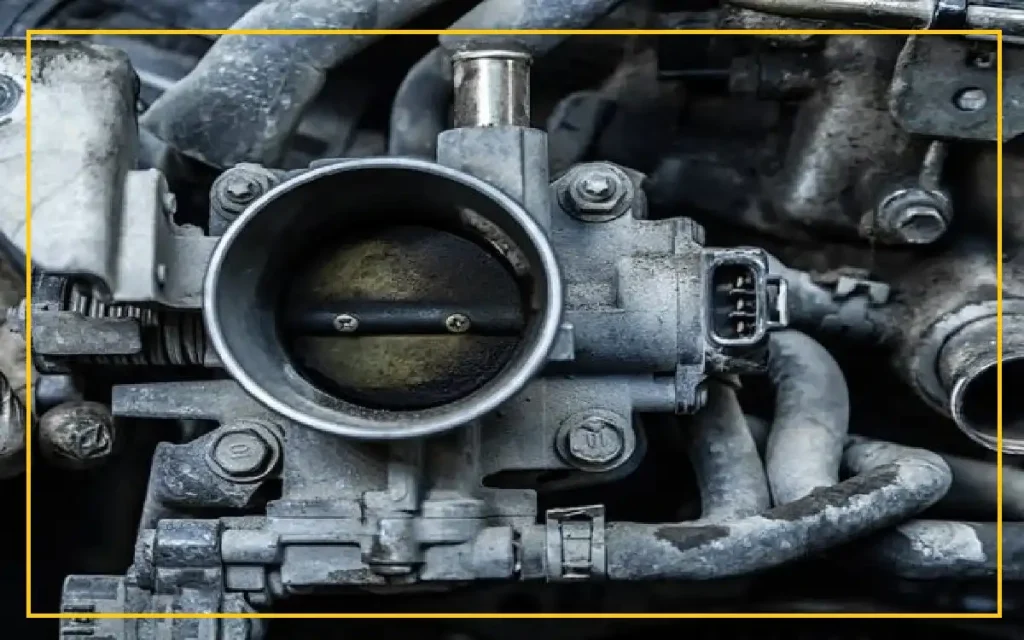
Maintaining your vehicle’s throttle body is crucial for optimal performance, and the good news is that you can clean it without removing it from the engine bay. By following the right steps and using the appropriate materials, you can ensure a clean throttle body while avoiding any potential damage to your car.
Materials Needed
To get started, you’ll need a throttle body cleaner (a CRC throttle cleaner is highly recommended),
- A clean cloth or an old toothbrush
- A screwdriver (if necessary to remove the air intake hose)
- Some paper towels.
Step-by-Step Cleaning Guide
Accessing the Throttle Body
Begin by locating the air intake duct that leads to the throttle body. This component is usually positioned just after the air filter housing. If required, use a screwdriver to carefully remove the duct and gain access to the throttle body.
Preparing for Cleaning
For vehicles with cable-controlled throttle bodies, ensure that the throttle plate remains closed before proceeding with the cleaning process. If your car has an electronically controlled throttle body, turn the ignition key to the “ON” position without starting the engine. It will allow you to access and clean the component safely.
Applying Throttle Body Cleaner
Start by spraying a small amount of throttle body cleaner into the unit while keeping the throttle plate closed initially. It helps loosen dirt and grime effectively. Next, open the throttle plate—if it’s electronically controlled, have someone press the gas pedal for you—and spray cleaner directly onto all exposed surfaces inside the throttle body.
Gentle Scrubbing
Using a clean cloth or an old toothbrush, gently scrub away any stubborn deposits inside the throttle body. Pay extra attention to areas near the butterfly valve, but handle it with care to avoid causing any damage.
Wiping and Drying
Once you’ve scrubbed thoroughly, use paper towels to wipe down all surfaces and remove any remaining cleaner or debris. Allow the throttle body to air dry for approximately five minutes before reassembling any parts you may have removed earlier.
Reassembling and Testing
Reattach any hoses or ducts that were disconnected during cleaning. Start your vehicle and check for any warning lights on your dashboard. Ensure that your engine runs smoothly without any irregularities, confirming that your cleaning process was successful.
Expert Tips for Best Results
When cleaning your throttle body, avoid using excessive amounts of cleaner; short bursts are far more effective and safer for your vehicle’s components. For electrically controlled throttle bodies, never forcefully open the plate—always let it open naturally through pedal input.
Most importantly, always use a cleaner specifically designed for throttle bodies to prevent damage to sensitive parts. By following these steps diligently, you can maintain your vehicle’s performance and extend its lifespan without needing to remove this essential component from its engine bay.
Cleaning Throttle Body Without Removing It
Enhancing your vehicle’s performance and ensuring a smooth idle can often be as simple as Cleaning Throttle Body. The good news is that this process can be completed without removing the component, making it a convenient and efficient maintenance task. By following a systematic approach, you can restore your throttle body to optimal condition while avoiding unnecessary complications.
Essential Tools and Materials
Before starting, gather the necessary items for the job. You’ll need a high-quality throttle body cleaner, such as CRC throttle cleaner, along with a clean cloth or paper towels. An old toothbrush can be useful for scrubbing hard-to-reach areas, and a screwdriver may come in handy if you need to detach any air ducts.
For safety purposes, consider wearing gloves and safety goggles to protect yourself during the cleaning process.
Step-by-Step Process for Cleaning
Prioritize Safety
Begin by ensuring the engine is completely cool before proceeding. This precaution minimizes the risk of burns and ensures safer handling of engine components.
Locate and Access the Throttle Body
Trace the air intake duct from the air filter housing to locate the throttle body. If any ducts or hoses obstruct access, use a screwdriver to carefully remove them. This step provides clear visibility and access to the throttle body for effective cleaning.
Begin Initial Cleaning
With the throttle body exposed, apply a small amount of throttle body cleaner directly into it while keeping the throttle plate closed. Allow the cleaner to sit for a few moments to loosen accumulated grime and carbon deposits.
Open the Throttle Plate
To clean behind the throttle plate, you’ll need to open it. For cable-controlled systems, manually pull on the throttle cable to open the plate. For electronic throttle bodies, turn on the ignition (without starting the engine) and have someone press the accelerator pedal to open it. Refrain from forcing an electronic throttle plate manually, as this could cause damage to its sensitive mechanisms.
Thorough Cleaning of Internal Surfaces
Once the throttle plate is open, spray additional cleaner onto all accessible surfaces inside the throttle body. Use an old toothbrush or cloth to gently scrub away stubborn deposits and dirt. Exercise caution around delicate components to avoid causing any harm during this process.
Final Wipe Down
After scrubbing, take a clean cloth or paper towel to remove any remaining residue or excess cleaner from inside the throttle body. Ensure no debris enters the intake manifold during this step, as it could affect engine performance.
Reassemble and Test
Reattach any ducts or hoses that were removed earlier, ensuring everything is securely fastened. Start your engine and let it idle for a few minutes to confirm that all components are functioning correctly after reassembly.
Post-Cleaning Observations
Monitor your vehicle closely after completing this maintenance task. Watch for any warning lights on your dashboard or unusual engine behavior that might indicate underlying issues requiring further attention. If problems persist, consulting a professional mechanic is recommended for more comprehensive diagnostics and repairs.
Expert Tips for Effective Cleaning
Always opt for cleaners specifically designed for throttle bodies to prevent damage to sensitive parts. Avoid over-saturating the area with cleaner; short bursts are more effective and safer for your engine components. In cases of severe buildup or persistent issues, seeking professional assistance ensures thorough cleaning without risking damage to your vehicle’s systems.
By following these steps with precision and care; you can maintain your vehicle’s performance while extending its overall lifespan—all without needing to remove critical components like the throttle body itself!
Throttle Body Cleaning After How Many KMS
The frequency of Cleaning Throttle Body in vehicles depends on several factors, including manufacturer recommendations, driving conditions, and observed performance issues. Here’s a detailed overview:
Recommended Cleaning Intervals
Manufacturer Guidelines
Automakers often recommend Cleaning Throttle Body as part of routine maintenance. For instance, many suggest an interval of every 100,000 kilometres (62,137 miles), while some specify shorter intervals, such as every 10,000 kilometres (6,213 miles) or annually. These guidelines are typically outlined in the vehicle’s service manual.
General Practices
As a preventive measure, many experts advise Cleaning Throttle Body every 30,000 to 40,000 kilometres (18,640 to 24,855 miles). This interval helps maintain optimal engine performance and prevent issues like rough idling or stalling.
Environmental and Usage Factors
Driving conditions significantly impact how often the throttle body should be cleaned. Vehicles operating in areas with high pollution or heavy traffic may require cleaning every 5,000 to 10,000 miles. Similarly, frequent stop-and-go driving or exposure to harsh environmental conditions can accelerate dirt buildup.
Why Cleaning Throttle Body is Essential
A dirty throttle body can lead to various performance problems due to carbon deposits and grime obstructing airflow. These issues include:
- Low Idle Speed: Dirt buildup reduces airflow, causing the engine’s idle speed to drop below the normal range of 600–1,000 RPM.
- Rough Idling and Acceleration: Excessive residue disrupts the air-fuel mixture, leading to vibrations during idling and irregular acceleration.
- Engine Stalling and Misfires: Limited airflow can cause the engine to stall or misfire due to an imbalanced air-fuel ratio.
- Poor Fuel Economy: Inefficient combustion caused by a dirty throttle body can result in increased fuel consumption.
Practical Considerations
Cleaning Throttle Body is a straightforward maintenance task but requires care to avoid damage. While some vehicles allow for easy DIY cleaning using specialized cleaners and tools, others—particularly those with electronic throttle controls—may need professional servicing.
Regular inspection for dirt buildup and monitoring for symptoms like fluctuating RPMs or stalling can help determine when cleaning is necessary.
While some vehicles can go long intervals without Cleaning Throttle Body, incorporating it into regular maintenance—especially under challenging driving conditions—can enhance engine performance and longevity.
Always consult your vehicle’s manual and consider expert advice tailored to your specific driving habits and environment.
Cleaning Throttle Body in Car at Home
Maintaining your car’s throttle body is a simple yet impactful way to boost engine performance and fuel efficiency. With the right approach, you can clean the throttle body at home and restore your vehicle’s optimal functionality. Here’s a detailed guide to help you carry out this task safely and efficiently.
Tools and Materials You’ll Need
Before getting started, ensure you have the necessary tools and materials for the job. For tools, you may require a flathead screwdriver or socket wrench (depending on your car model), a Torx or Phillips screwdriver if applicable, a toothbrush or small soft brush for scrubbing, compressed air (optional), and a flashlight for visibility.
For materials, use a throttle body cleaner specifically designed for this purpose—avoid using carburettor cleaners as they can damage components. Additionally, have paper towels, cotton swabs, rubber gloves, and eye protection handy to ensure safety and cleanliness throughout the process.
Step-by-Step Guide to Cleaning Your Throttle Body
Preparation
To begin, disconnect the ground terminal of your car battery to eliminate any risk of electrical mishaps during the cleaning process. Next, gather all your tools and materials in one place so that everything is within easy reach when needed.
Accessing the Throttle Body
Locate the air duct that connects to the throttle body and carefully remove it. Depending on your vehicle’s setup, this may involve loosening clamps with a screwdriver or twisting them off. If there are any vacuum lines or electrical connectors attached, label them for easy reassembly later.
Once exposed, use a flashlight to inspect the throttle body and assess how much dirt and grime have accumulated.
Cleaning Process
Begin by spraying the throttle body cleaner generously onto all visible surfaces of the throttle body. If your vehicle has a cable-operated throttle plate, manually rotate it open to expose hard-to-reach areas. Allow the cleaner to soak in briefly before proceeding.
Using a toothbrush or small soft brush, gently scrub away dirt and deposits, paying close attention to areas where the throttle plate closes. Be cautious not to damage any delicate components during this step.
After scrubbing, wipe away the loosened residue with paper towels. Repeat the spraying and wiping process as needed until all surfaces are thoroughly cleaned.
Final Steps
Once cleaning is complete, apply a small drop of general-purpose oil to the throttle shaft to ensure smooth operation. Carefully reconnect any air ducts, vacuum lines, and electrical connectors you removed earlier, ensuring all clamps are securely tightened without overdoing it. Finally, reconnect the battery terminal to restore power to your vehicle.
Testing Your Work
Start your car’s engine and let it idle for a few minutes while observing its performance. A smooth idle without irregularities indicates that the cleaning process was successful and that your throttle body is functioning optimally once again.
Essential Safety Tips
Always prioritize safety by wearing rubber gloves and eye protection when handling chemicals like throttle body cleaners. Work in a well-ventilated area to avoid inhaling harmful fumes during the process.
By following these guidelines carefully, you can confidently clean your car’s throttle body at home, improving its performance while extending its lifespan.
Finally
Cleaning your car’s throttle body is an often-overlooked maintenance task that can significantly impact your vehicle’s performance and longevity in the USA. By addressing this issue promptly, you can enjoy smoother acceleration, improved fuel efficiency, and a more responsive driving experience.
Regular cleaning is a small investment that can save you from costly repairs and ensure your car runs at its best.
Cleaning Throttle Body is an often overlooked but crucial aspect of vehicle maintenance in the USA.
This simple task can have a profound impact on your car’s performance, fuel efficiency, and overall health. By recognizing the signs of a dirty throttle body and adhering to the recommended cleaning intervals, you can ensure your vehicle operates at its peak, delivering a smooth and enjoyable driving experience.
DeckersAuto Suggestion
Take the proactive step of scheduling regular Cleaning Throttle Body with a trusted mechanic or following the manufacturer’s recommended procedures. By keeping this vital component clean and functioning optimally, you can unlock your car’s true potential and enjoy a seamless driving experience for years to come.
More Automotive Update Visit Deckers Auto