

Introduction
Tire blowouts are one of the most dreaded occurrences for any driver. The sudden loss of control, the loud explosion, and the potential for serious accidents can leave even the most experienced motorists shaken. However, with proper knowledge and preventative measures, you can significantly reduce the risk of experiencing a tire blowout and ensure a safer journey for yourself and your passengers. The DeckersAuto shares the causes of tire blowouts, how to handle them effectively, and the essential maintenance practices to keep your tires in top condition.
Recent Released: The Ford F-150 Lightning Electric Electric Truck in The US
What is the Causes of Tire Blowouts?
Tire blowouts can occur for various reasons, and being aware of these causes is the first step in preventing them. Here are some of the most common culprits:

Underinflation and Overinflation
Maintaining the correct tire pressure is crucial for optimal tire performance and longevity. Underinflated tires can cause excessive heat buildup, leading to premature wear and potential blowouts.
On the other hand, overinflated tires have less surface area in contact with the road, resulting in reduced traction and increased susceptibility to damage from potholes and debris.
Wear and Tear

Tires have a limited lifespan, and as they age, the risk of a blowout increases. Regular inspections for signs of wear, such as tread depth, cracks, or bulges, are essential. Failure to replace worn tires can lead to catastrophic consequences on the road.
Read: Top Automotive Starter Rebuilders Near Me In USA
Road Hazards
Even the most well-maintained tires can fall victim to road hazards like potholes, debris, and sharp objects. These hazards can cause punctures, cuts, or internal damage, leading to a sudden loss of air pressure and a potential blowout.
Overloading
Every vehicle has a maximum load capacity, and exceeding this limit can put excessive strain on the tires. Overloading can cause premature wear, increased friction, and a higher risk of blowouts, especially at higher speeds or during long journeys.
Handling a Tire Blowout: Stay Calm and Take Control
Despite your best efforts, a tire blowout can still occur unexpectedly. In such situations, staying calm and taking the right actions can mean the difference between a minor inconvenience and a major accident.
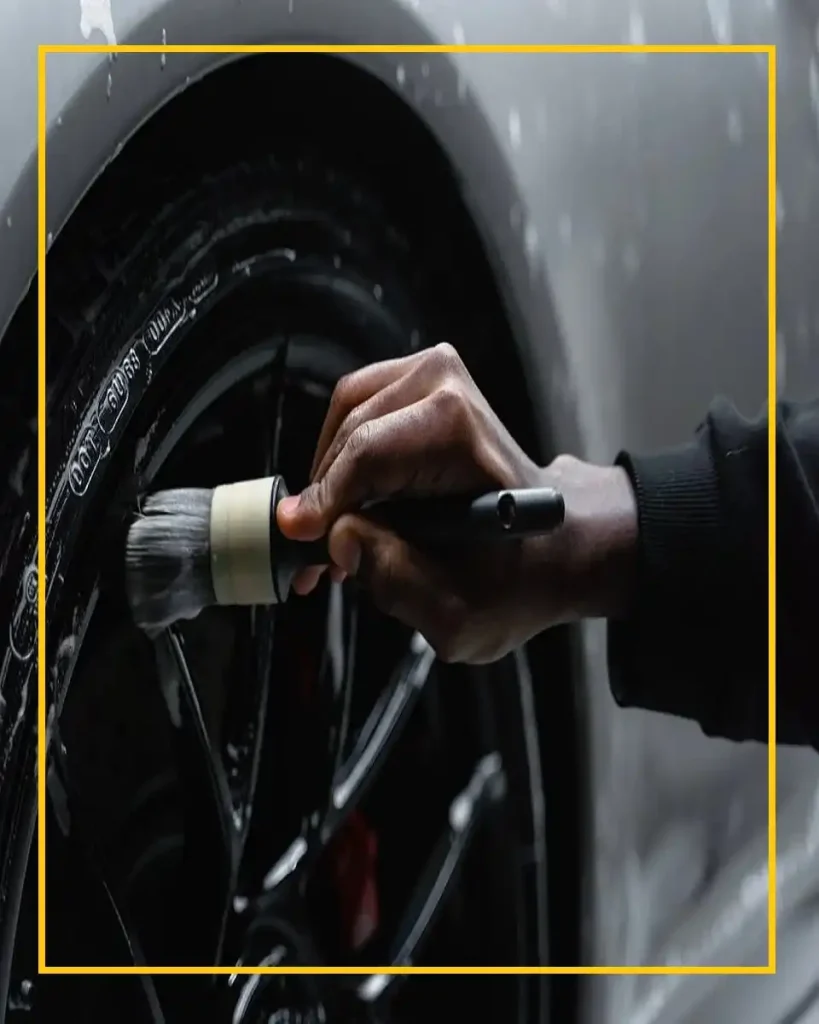
Here’s how to handle a tire blowout:
- Grip the Steering Wheel Firmly: When a tire blows out, your vehicle may suddenly pull to one side. Maintain a firm grip on the steering wheel and resist the urge to overcorrect or brake heavily.
- Take Your Foot Off the Gas: Slowly release the accelerator and allow the vehicle to decelerate gradually while maintaining control.
- Signal and Pull Over Safely: Once you’ve regained control and reduced your speed, signal your intention to pull over and move to the shoulder or a safe location away from traffic.
- Apply Brakes Gently: Once you’re off the main road, gently apply the brakes and bring the vehicle to a complete stop.
- Turn on Hazard Lights and Exit the Vehicle: Activate your hazard lights to alert other drivers and safely exit the vehicle, keeping well away from the damaged tire and any oncoming traffic.
- Call for Assistance: If you have a spare tire and the necessary equipment, you can attempt to change the tire yourself. However, if you’re unsure or feel unsafe, it’s best to call for professional roadside assistance.
Read: Mmake1m Luxury Cars: Repair Maintain and Sevice in USA
Maintaining Your Tires: A Proactive Approach
Proper tire maintenance is the basic to preventing blowouts and ensuring a safe driving experience. Here are some essential tips for keeping your tires in top condition:

Regular Tire Pressure Checks
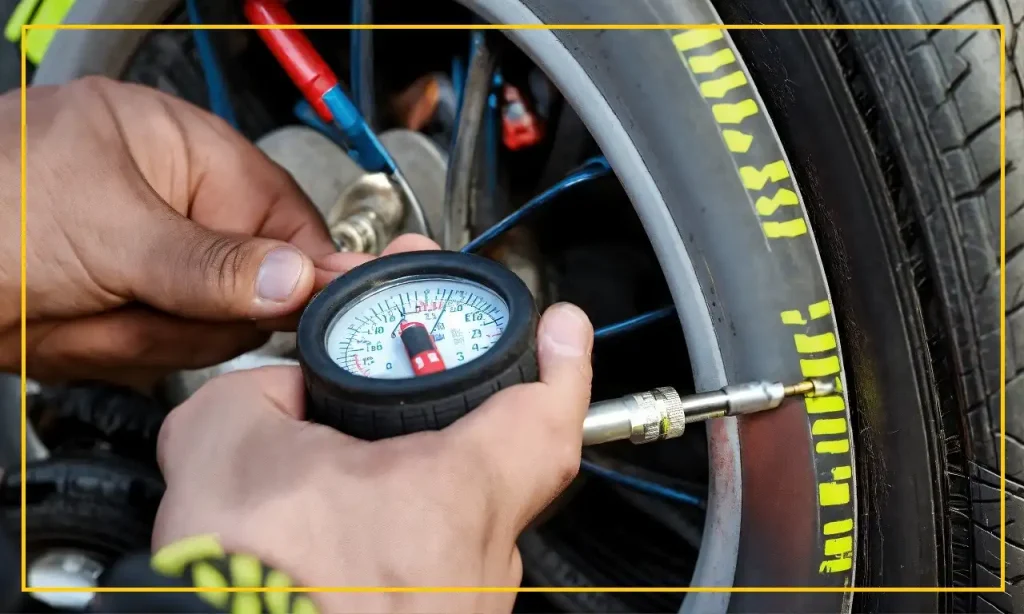
Checking your tire pressure regularly is one of the most crucial maintenance tasks. Invest in a high-quality tire pressure gauge and make it a habit to check your tire pressure at least once a month or before embarking on long journeys.
Tire Rotation and Alignment
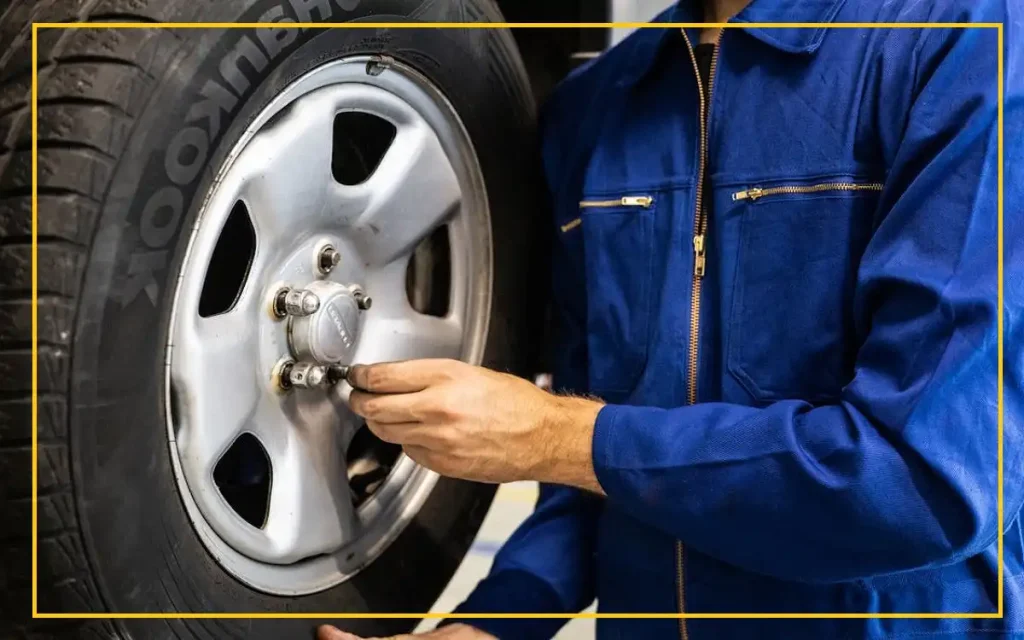
Tires wear unevenly due to factors like vehicle weight distribution and driving habits. Regular tire rotation and alignment can help ensure even tread wear and extend the life of your tires.
Visual Inspections
Conduct regular visual inspections of your tires, looking for signs of wear, cuts, bulges, or any other damage. Addressing issues early can prevent more significant problems down the line.
Tire Replacement
Tires have a limited lifespan, and it’s essential to replace them when necessary. Consult your vehicle’s owner’s manual or seek professional advice to determine when it’s time for a new set of tires.
Proper Loading and Inflation
Always ensure that your vehicle is loaded within its weight capacity and that the tires are inflated to the recommended pressure for the load. Overloading or improper inflation can significantly increase the risk of a blowout.
Read: Best Férarie Vehicle Air Conditioning Repair in USA
Tire Maintenance Table
To help you keep track of your tire maintenance schedule, we’ve created a handy table that outlines the recommended intervals for various tasks:

| Task | Frequency |
| Tire Pressure Check | At least once a month, before long trips, and when carrying additional loads |
| Tire Rotation | Every 5,000 to 8,000 miles or as recommended by the manufacturer |
| Wheel Alignment | Every 10,000 to 12,000 miles or as recommended by the manufacturer |
| Visual Inspection | At least once a month, before long trips, and after any potential tire damage |
| Tire Replacement | Every 6 years or when tread depth reaches 2/32 inch (1.6 mm) or as recommended by the manufacturer |
Can A Tire Blowout Kill You?

Tire blowouts can indeed be deadly, contributing to a significant number of road accidents each year. In the United States, tire blowouts are responsible for approximately 400 fatalities annually, with around 78,000 related crashes occurring each year.
The National Transportation Safety Board (NTSB) has reported that over 2,000 of these incidents result in fatal outcomes, underscoring the critical nature of this safety issue.
Causes and Risks of Tire Blowouts
Tire blowouts can arise from several factors:
- Improper Tire Pressure: Both under-inflation and over-inflation can cause tires to heat up excessively and fail.
- Road Hazards: Sharp objects or potholes can puncture tires, leading to sudden deflation.
- Overloading: Carrying more weight than recommended can stress tires, increasing the risk of a blowout.
When a tire blows out, drivers may suddenly lose control of their vehicle, often causing it to veer sharply. This unexpected movement can make steering difficult and may lead to multi-vehicle collisions, especially on busy highways.
Injuries Associated with Tire Blowouts
The consequences of a tire blowout can include severe injuries, such as:
- Head injuries
- Spinal cord injuries
- Traumatic brain injuries
- Lacerations and broken bones
- Fatalities in extreme cases
These injuries highlight the importance of maintaining proper tire health and awareness while driving.
While not every tire blowout results in death, they remain a significant cause of serious accidents on the road. Awareness of the associated risks and diligent tire maintenance can help reduce these dangers.
| Aspect | Details |
| Annual Fatalities | Approximately 400 |
| Annual Crashes | About 78,000 |
| Estimated Injuries | Around 11,000 |
| Common Causes | Improper pressure, road hazards, overloading |
| Types of Injuries | Head trauma, spinal injuries, lacerations |
Understanding these statistics emphasizes the need for vigilance regarding tire maintenance and safe driving practices.
What Causes A Tire To Blowout on The Side
Tire blowouts, especially those occurring on the sidewall, can result from several factors that compromise the tire’s structural integrity. Understanding these causes is essential for maintaining safety on the road.
Primary Causes of Sidewall Tire Blowouts
Underinflation
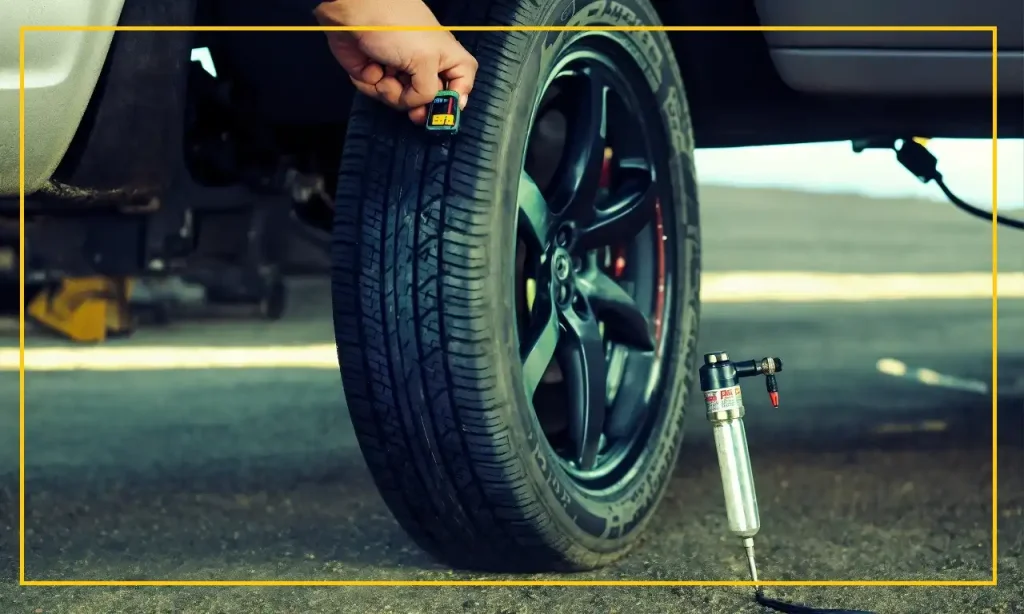
Underinflated tires are a leading cause of blowouts. Insufficient air pressure causes the sidewalls to flex excessively while driving, generating heat and increasing wear. This heightened friction can lead to overheating and ultimately a blowout, particularly in the sidewall area.
Overloading
Exceeding a vehicle’s weight limit places additional stress on tires, especially their sidewalls. This can cause the tires to bulge and weaken over time, significantly raising the risk of a blowout. Heavy loads combined with poor tire maintenance can worsen this situation.
Road Hazards
Encountering sharp objects, potholes, or debris can damage tires, particularly if they are already weakened from previous wear or underinflation. Such impacts can lead to gradual air loss or immediate blowouts if the sidewall is compromised.
Poor Maintenance
Neglecting regular tire maintenance—such as checking for punctures or ensuring proper inflation—can lead to issues that increase the likelihood of a blowout. Small leaks in the sidewall can gradually release air and weaken the tire structure over time.
Tire Age and Defects
Old or defective tires are more susceptible to blowouts. Rubber degrades over time, and even new tires can have manufacturing defects that make them prone to failure. Regularly replacing tires based on age and wear is crucial for safety.
To minimize the risk of sidewall blowouts, it is essential to maintain proper tire pressure, avoid overloading vehicles, regularly inspect tires for damage, and replace aging tires as needed. Proper maintenance and awareness of driving conditions can significantly enhance road safety.
| Cause | Description |
| Underinflation | Insufficient air pressure leads to excessive flexing and heat generation. |
| Overloading | Carrying too much weight stresses tires, particularly at the sidewalls. |
| Road Hazards | Sharp objects or potholes can puncture or damage already weakened tires. |
| Poor Maintenance | Neglecting checks for inflation or damage increases blowout risks. |
| Tire Age and Defects | Aging rubber or manufacturing defects make tires more susceptible to failure. |
Understanding these factors is vital for preventing tire blowouts and ensuring safe driving experiences. Regular maintenance and vigilance regarding tire conditions can significantly reduce risks on the road.
What Kind of Damage Can A Tire Blowout Cause
A tire blowout can lead to extensive damage, not only to the vehicle that experiences the blowout but also to other vehicles and property nearby. Understanding the potential consequences is crucial for promoting road safety.
Types of Damage Caused by Tire Blowouts
Damage to the Vehicle with the Blowout

When a tire blows out, several types of damage can occur to the affected vehicle:
- Body Damage: The sudden loss of tire pressure can cause the vehicle to veer off course, potentially colliding with barriers, other vehicles, or roadside objects. This can result in scratches, dents, or more severe body damage.
- Suspension and Steering Issues: A blowout can negatively impact the vehicle’s suspension system and steering components. The force from the blowout may cause misalignment or damage, leading to costly repairs.
- Wheel Damage: The rim may sustain damage upon hitting the road or other objects during a blowout, particularly if it occurs at high speeds.
Damage from Tire Debris
Tire blowouts often scatter debris across the road, which can cause:
- Damage to Other Vehicles: Vehicles traveling behind or beside a car that has blown a tire may hit debris, resulting in punctured tires, cracked windshields, or body damage.
- Accidents: Drivers may swerve to avoid debris from a blowout, leading to multi-vehicle accidents that can cause injuries and further property damage.
Road Hazards
The aftermath of a tire blowout can create immediate hazards for other drivers:
- Obstructions on the Road: Tire remnants can block lanes, causing traffic disruptions and accidents as drivers react to avoid them.
- Increased Risk of Subsequent Accidents: The sudden presence of debris on busy roads can lead to panic stops and collisions among vehicles trying to navigate around it.
A tire blowout poses significant risks not only to the vehicle experiencing it but also to surrounding traffic and infrastructure. Regular tire maintenance and inspections are essential in preventing blowouts and minimizing their potential damage.

| Type of Damage | Description |
| Vehicle Body Damage | Collisions with barriers or objects due to loss of control can cause dents/scratches. |
| Suspension & Steering Issues | Misalignment or damage from the force of the blowout leading to expensive repairs. |
| Wheel Damage | Rims may get damaged upon impact with the road or objects during a blowout. |
| Damage from Debris | Other vehicles may hit debris, leading to punctures or windshield cracks. |
| Road Hazards | Tire remnants can obstruct lanes, causing traffic disruptions and accidents. |
Understanding these potential damages emphasizes the importance of regular tire maintenance and awareness while driving to enhance safety on the roads.
Finally
Tire blowouts can be a terrifying experience, but with the right knowledge and preventative measures, you can significantly reduce the risk and ensure a safer journey for yourself and your passengers. By understanding the causes, learning how to handle a blowout calmly and effectively.

And implementing a proactive tire maintenance routine, you’ll be better equipped to tackle any tire-related issues that may arise on the road.
Remember, your tires are the only point of contact between your vehicle and the road, so treating them with the respect and care they deserve is crucial. Invest in high-quality tires, follow the manufacturer’s recommendations, and prioritize tire maintenance as an essential aspect of your vehicle’s overall safety and performance.
Stay safe, stay vigilant, and enjoy the journey ahead, knowing that your tires are in top condition and ready to handle whatever the road throws your way.
More Automotive Update Visit Deckers Auto